
Foraging: Finding Food in the Wild — Ecology, History, and Practice
Foraging is the act of searching for and obtaining wild food by animals and people. This article explains forms of foraging, its ecological role, human traditions, uses, and legal and ethical considerations.
Foraging refers to the behaviors by which animals or people search for, select, and obtain food from the wild rather than relying on cultivated or processed sources. In ecology, foraging includes a range of strategies from active hunting and pursuit to passive gathering and grazing. For many species it is a daily necessity that shapes movement, social structure and habitat use; for humans it has been both a subsistence mode and a rich cultural practice.
Image gallery
6 Images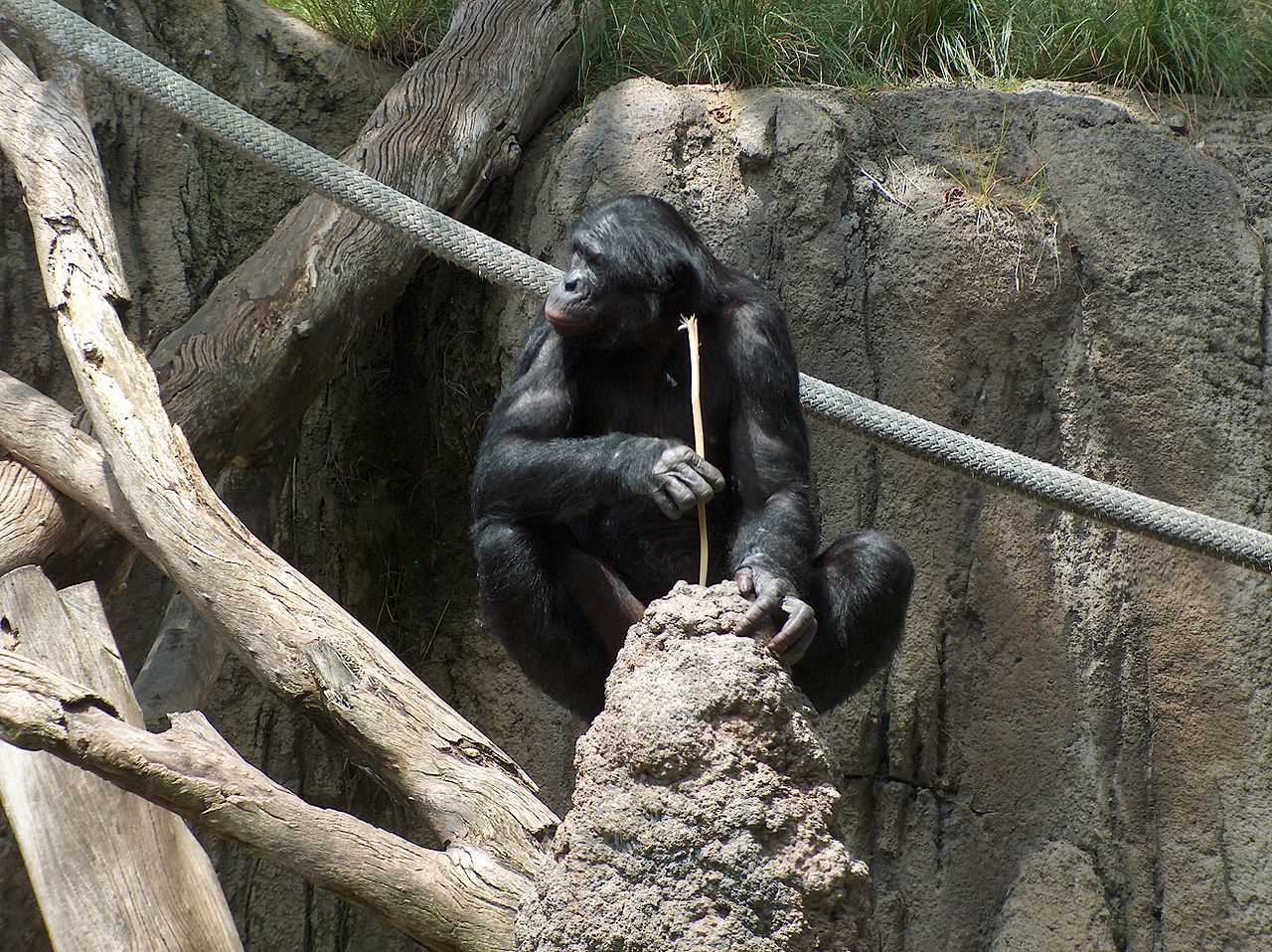



Forms and common characteristics
Different species use different foraging methods depending on anatomy and environment. Examples include:
- Grazing and browsing: Herd animals such as cattle often graze on open vegetation, particularly grass, while browsers feed on leaves and twigs.
- Hunting and trapping: Predators actively pursue or ambush prey, using speed, stealth, or tools.
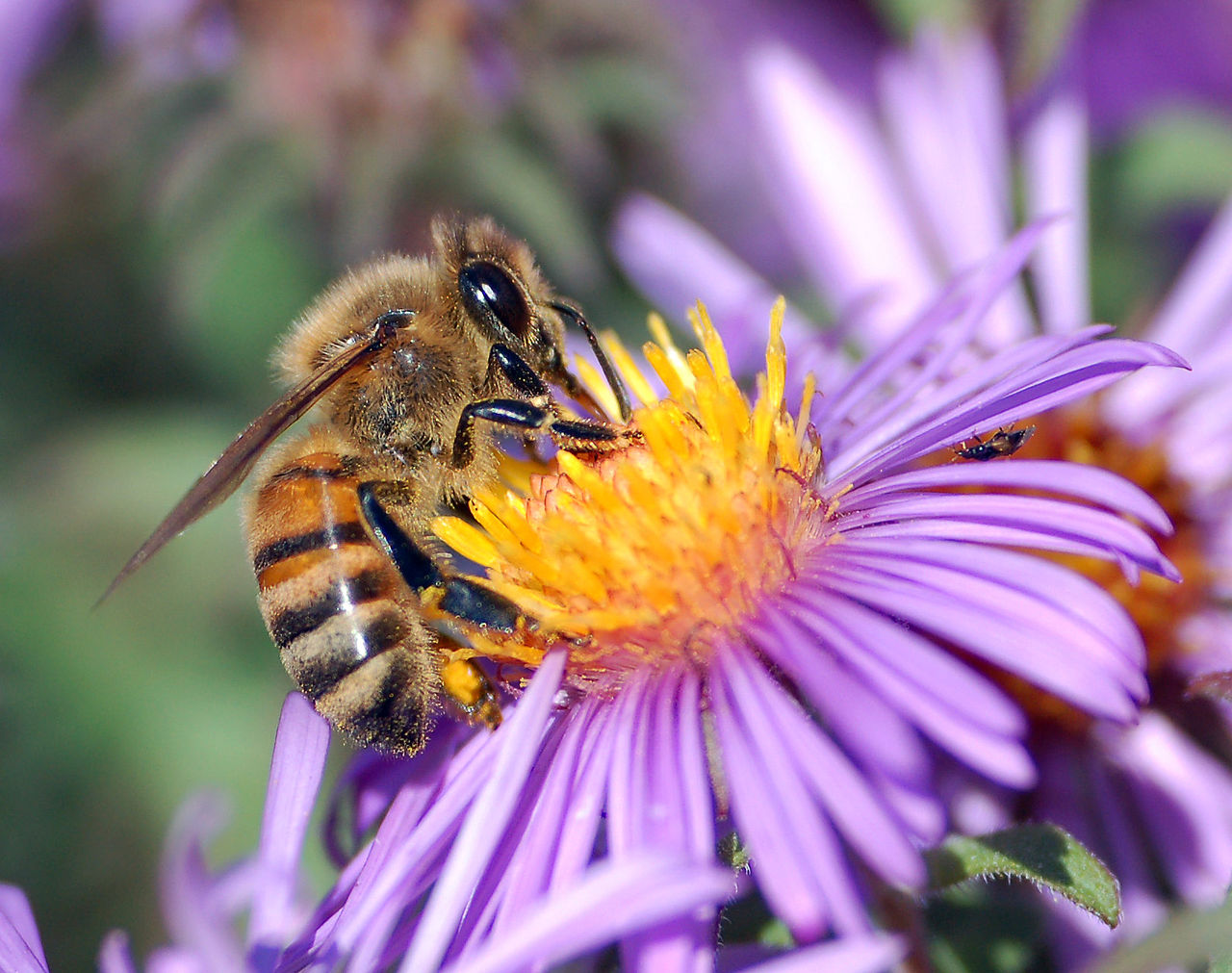
- Gathering: Collecting fruits, nuts, seeds, mushrooms, shellfish and other wild edibles.
- Scavenging and opportunism: Consuming carrion or human refuse when available.
Foraging behavior is influenced by resource distribution, seasonality, competition and risk. Many animals balance energy gained with energy spent and exposure to predators; this trade-off is central to ecological models of foraging.
History, theory and human traditions
People who relied predominantly on wild foods are commonly called hunter-gatherers. For most of human prehistory the majority of communities foraged at least part of the year. In ecology, formal ideas about how organisms choose food items developed in the mid-1960s as researchers created models to predict optimal choices and search patterns.
Uses, examples and modern practice
Foraged foods remain important socially, nutritionally and economically in many places. Popular wild foods include mushrooms, berries, nuts, seaweed and shellfish. Foraging is also a recreational activity and culinary trend in some regions, with chefs and home cooks seeking wild flavors. It contrasts with cultivation and domestication, in which plants or animals are bred and managed by people instead of being taken directly from the wild.
Legal, ethical and conservation considerations
Collecting wild food raises legal and ethical questions: land ownership, protected species, harvest limits and the risk of overharvesting. Responsible foraging practices emphasize accurate identification, taking small amounts, avoiding sensitive habitats and respecting local laws. Foragers should also be aware of how their actions differ from agricultural systems such as a farm, which are managed to produce predictable yields.
Distinguishing foraging types, understanding local rules and learning safe identification are essential for anyone who forages. As both a traditional lifeway and a modern pastime, foraging connects ecology, culture and food in practical and symbolic ways.
Related articles
Author
AlegsaOnline.com Foraging: Finding Food in the Wild — Ecology, History, and Practice Leandro Alegsa
URL: https://en.alegsaonline.com/art/35525
Sources
- jstor.org : "The role of time and energy in food preference"
- doi.org : 10.1086/282455
- doi.org : 10.1086/282454
- jstor.org : 2459298