
Twine: materials, types, uses and practical considerations
Twine is a lightweight cord made by twisting two or more strands. This article covers its materials, construction, common uses (including baler twine), history, and environmental considerations.
Overview
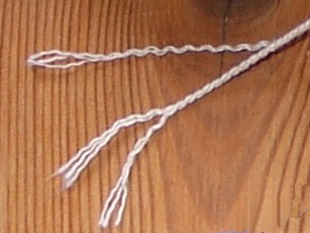
Twine is a light cordage formed by twisting together two or more smaller fibers or yarns to make a single, stronger line. The basic element of twine is a strand, which is plied or twisted to produce the final product. In everyday language twine is often treated as synonymous with string, but it is typically thicker and intended for heavier tying tasks than sewing thread while remaining thinner and more flexible than conventional rope.
Image gallery
5 Images


Materials and construction
Twine can be made from a variety of natural and synthetic fibers. Natural options are valued for their feel and biodegradability, while synthetics tend to offer greater wet-strength and resistance to rot. Construction techniques include simple two- or three-ply twisting and more complex braiding; some twines are waxed for increased stiffness and easier handling.
- Natural fibres: cotton (cotton), jute (jute), hemp (hemp), sisal, henequen and coir.
- Synthetic fibres: polypropylene, polyethylene and polyester blends are common for outdoor and agricultural twine.
- Finishes: colored, waxed or coated variants improve handling or weather resistance.
Common uses and examples
Twine is used across agriculture, packaging, crafts and household tasks. In farming, "baler twine" binds hay and straw into bales and is produced to withstand baling machinery. Around the home and studio, twine appears in gardening (staking and tying plants), gift-wrapping, macramé and small repairs where it performs a role comparable to stronger tapes or temporary fastenings — some people liken its versatility to that of duct tape for quick fixes.
- Agricultural baling and bundling
- Gardening, horticulture and nursery work
- Crafts, bookbinding and decorative uses
- Packaging, light hauling and temporary repairs
History and practical notes
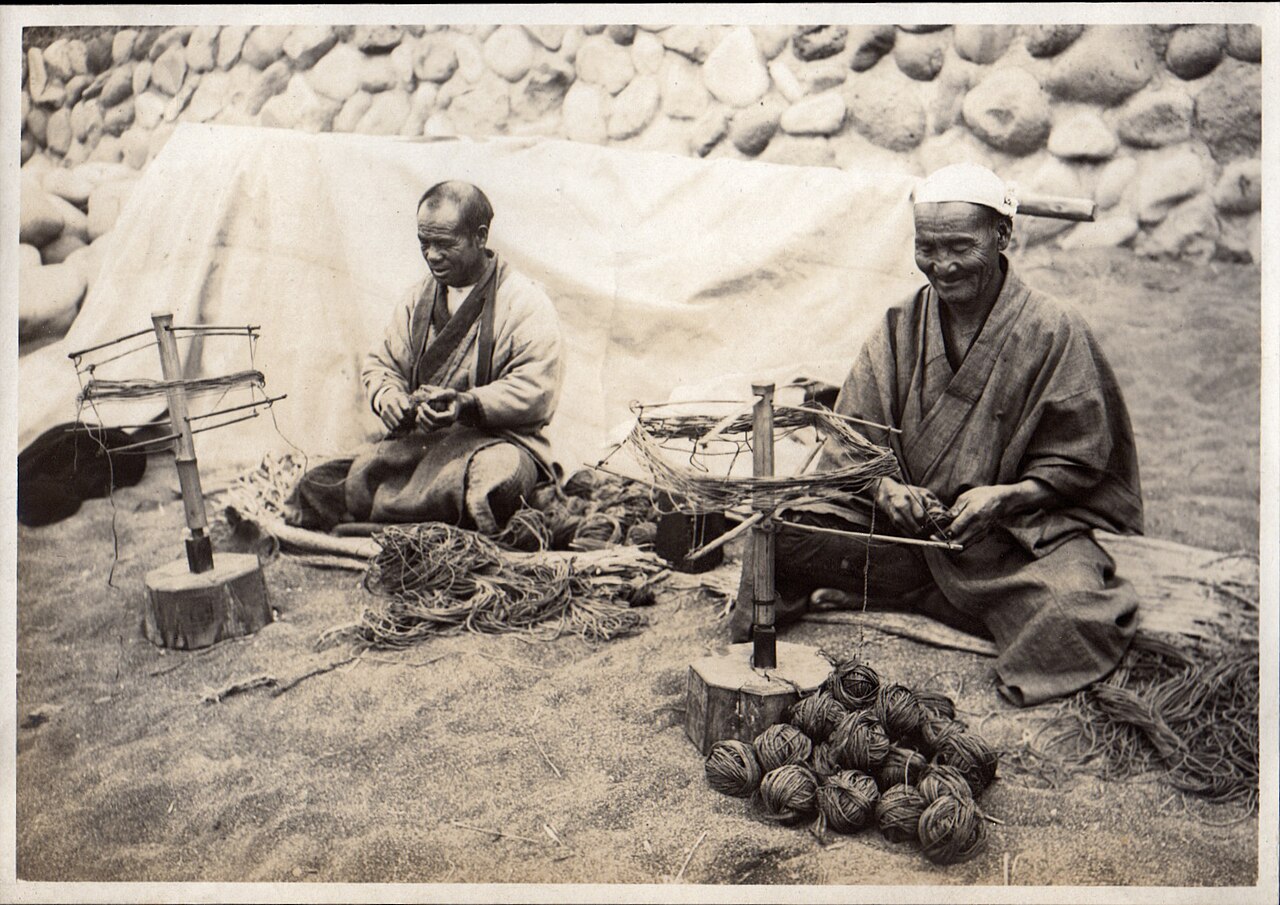
Cordage made by twisting plant fibers is ancient and predates woven textiles; simple twines were foundational to early tools, nets and garment construction. Today, choice of twine depends on strength needs, exposure to moisture and environmental concerns. Natural twines break down more readily in composting conditions, while synthetic twines can persist and pose entanglement risks to wildlife if not disposed of responsibly. For many uses, selecting the correct thickness, ply and finish improves safety and longevity.
Distinctions and selection tips
When choosing twine consider the intended load, abrasion and UV exposure. For temporary indoor uses, cotton or jute provide sufficient strength and are eco-friendlier. For heavy outdoor or mechanical applications, synthetic plied twine is stronger and more durable. If you need a general-purpose cord, remember that twine occupies the middle ground between delicate sewing thread and robust rope or cord, making it a versatile, low-cost option for many everyday tasks.
Questions and answers
Q: What is twine?
A: Twine is a type of string or cord made from two or more smaller strands or yarns twisted together.
Q: What are some natural fibers used to make twine?
A: Some natural fibers used to make twine include cotton, sisal, jute, hemp, henequen, and coir.
Q: What type of synthetic fibers can be used to make twine?
A: A variety of synthetic fibers may be used to make twine.
Q: How is twine different from string?
A: Twine is usually thicker than string.
Q: Is twine available in different colors?
A: Yes, twine is available in various colors as well as plain or waxed.
Q: What is twine used for?
A: Twine is used for a wide variety of repairs and can be as useful as duct tape.
Q: Can twine be made from just one strand of yarn?
A: No, twine is made from two or more smaller strands or yarns twisted together.
Author
AlegsaOnline.com Twine: materials, types, uses and practical considerations Leandro Alegsa
URL: https://en.alegsaonline.com/art/102260
Sources
- innovateus.net : "What are the uses of Twine?"
- balertwine.org : "Uses Of Baler Twine: Commercial And Household"
- wisegeek.com : "What Are the Different Types of Twine?"
- news.discovery.com : "Oldest Twine Dates Back to Stone Age"
- hemp-sisters.com : "Hemp History"
- ussconstitutionmuseum.org : "John Lord's Sea Bag"
- hempology.org : "The Hub's Hemp History"
- commons.wikimedia.org : Twine