
Silk: natural fiber — properties, production, history and uses
Silk is a natural protein fiber produced mainly by silkworms and also by spiders. This article covers its structure, types, sericulture, processing, uses, care, history and modern research.
Silk is a natural protein fiber produced most often by the larvae of the domesticated mulberry silkworm, Bombyx mori, and by several other insects and arachnids. The continuous filaments of a silkworm cocoon are harvested and processed into yarn and fabric. The term also applies to similar animal-produced fibers; for broader context see natural fibers.
Image gallery
10 Images

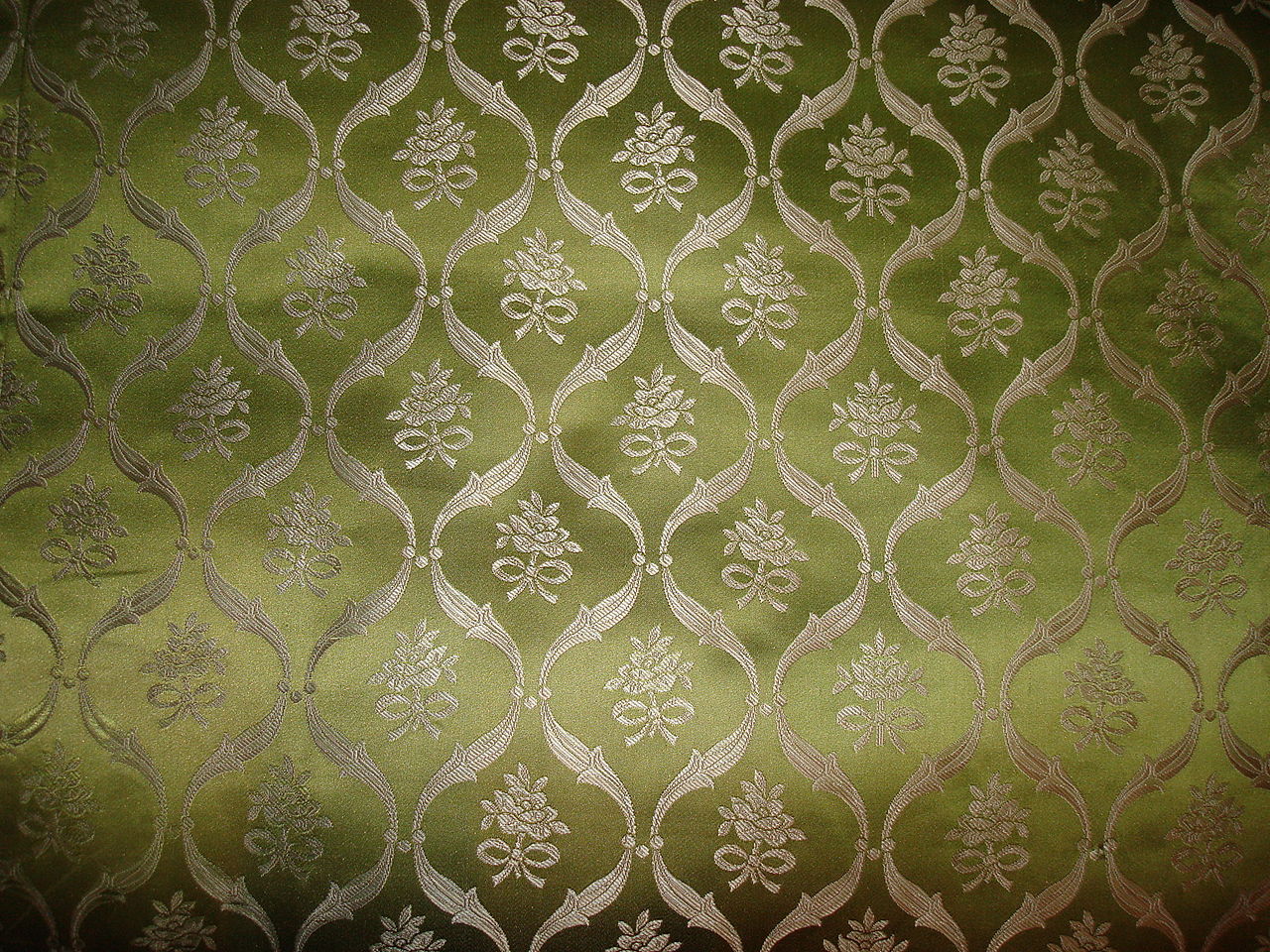

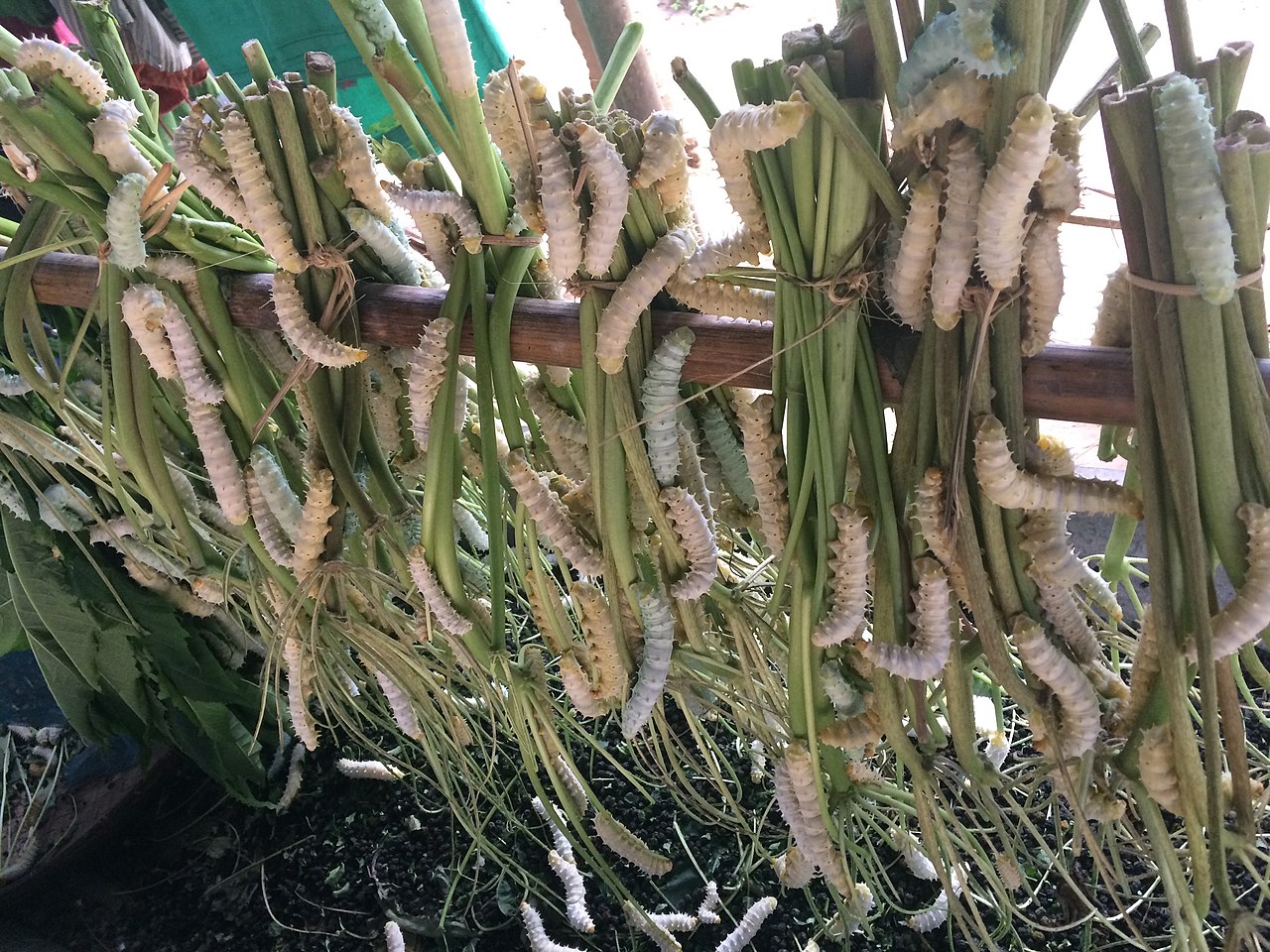


Structure and properties
At the molecular level silk is mainly composed of the proteins fibroin (the structural core) and sericin (a gummy coating that is usually removed). Its long, smooth filaments give silk a characteristic luster and drape. Silk combines tensile strength with a degree of extensibility and a smooth, cool-to-touch surface; it dyes well and insulates in still air, which contributes to its traditional use in garments and luxury textiles.
Types of silk
- Mulberry silk: produced by Bombyx mori and the most widely cultivated type.
- Wild silks (tussah, eri, muga): produced by non-domesticated species; they often have different colors and coarser texture.
- Spun silk: made from shorter or broken fibers and used where reeled filament silk is not available.
Sericulture and processing
Sericulture is the cultivation of silkworms, usually involving controlled rearing on mulberry leaves, harvesting of cocoons and reeling continuous filaments. Processing steps include degumming to remove sericin, spinning or reeling into threads, weaving or knitting, and finishing. Traditional hand techniques coexist with mechanized mills in different producing regions.
Uses and applications
Silk is widely used for clothing, scarves, ties, and luxury bedding, and historically as a support for writing and painting in several cultures. Early 20th-century applications included lightweight parachutes before synthetic materials became common. Today silk also appears in surgical sutures, biomedical scaffolds, high-performance composites and specialty textiles.
Care, sustainability and modern science
Silk requires gentle care: mild detergents, cool water, and limited exposure to sunlight preserve fibers and colors. Environmental and ethical concerns include land and feed for mulberry cultivation, water use, and welfare practices in cocoon harvesting; producers and consumers increasingly seek certified or lower-impact methods. Biotechnology has enabled recombinant production of silk proteins and research into spider-silk–like materials for advanced applications.
Spider silk and distinctions
Many spiders produce silken fibers that are commonly called "spider silk." Spider silk differs from silkworm silk in protein composition, mechanical performance and spinning method: spiders spin silk from abdominal glands into multiple specialized fiber types rather than forming a protective cocoon. Research on spider silk aims to replicate its combination of strength and elasticity for industrial and medical uses; for more on arachnid fibers see spider silk.
Related articles
Author
AlegsaOnline.com Silk: natural fiber — properties, production, history and uses Leandro Alegsa
URL: https://en.alegsaonline.com/art/90415