
Polyester: overview, types, uses and environmental aspects
Polyester is a family of synthetic polymers widely used for fibers, films and bottles. This article explains its chemistry, common types (notably PET), applications, history, and environmental considerations.
Polyester refers to a class of synthetic polymers characterized by ester functional groups in their main chain. Manufactured from petrochemical feedstocks, polyester is one of the largest groups of man-made plastics and fibres. In broad production statistics it accounts for about 18% of all plastics produced, ranking after polyethylene and polypropylene. For background on synthetic materials see synthetic material resources.
Image gallery
7 Images


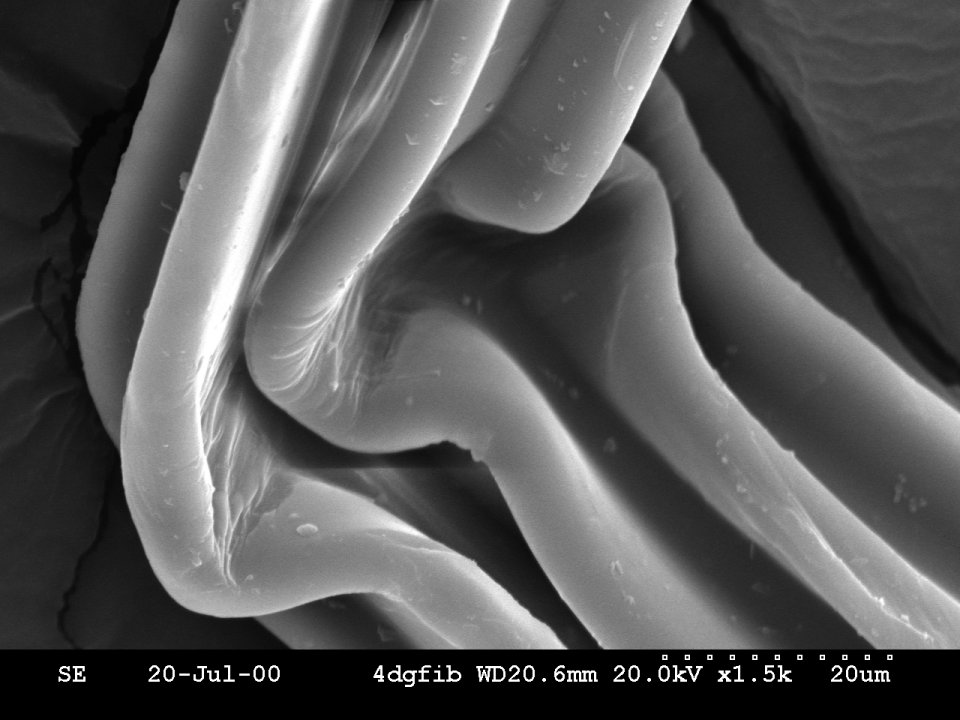

Chemistry and common types
Polyesters are formed by condensation polymerization between diacids (or diesters) and diols. The most ubiquitous type is polyethylene terephthalate (PET), widely used for textiles and clear beverage bottles. Other commercial variants include polybutylene terephthalate (PBT) and polyethylene naphthalate (PEN), each optimized for particular thermal or mechanical properties. General polymer science resources explain these categories in more detail: polymer reference.
Properties and production
Typical properties of polyester materials include good tensile strength, abrasion resistance, wrinkle resistance, and low moisture absorbency. As thermoplastics, many polyesters can be melt-spun into fibers, extruded into films, or injection-moulded into engineering parts. Polyester production and market context are discussed in industry overviews: market data and plastics statistics.
Uses and examples
Polyester has a very broad range of applications:
- Textiles: clothing, upholstery, carpeting, technical fabrics.
- Packaging: clear bottles and food-safe containers made from PET.
- Films and sheets used in photography, electrical insulation and laminates.
- Engineering: fibers and reinforced plastics for industrial parts.
For comparative information on related plastics, see polymer comparisons.
Historically, major polyester types were developed and commercialized during the 20th century and became dominant in apparel and packaging because of their cost efficiency and performance. Large-scale manufacture relies on polymerization processes using monomers derived from oil and gas; recycling and secondary-production streams for PET have expanded in recent decades. Industry process outlines are available at industry resources.
Environmental considerations and distinctions
Polyester’s durability and low biodegradability raise environmental concerns: shed microfibers from laundering, accumulation in waste streams, and energy use in production. Recycling approaches include mechanical reprocessing of bottles and fabrics and emerging chemical recycling that depolymerizes PET to its monomers. Compared with natural fibres such as cotton or wool, polyester is more resistant to shrinking and wrinkling but less breathable and less readily biodegradable. Consumers and manufacturers are increasingly balancing performance, cost and environmental impact when choosing polyester or alternatives.
Related articles
Author
AlegsaOnline.com Polyester: overview, types, uses and environmental aspects Leandro Alegsa
URL: https://en.alegsaonline.com/art/77846
Sources
- books.google.com : Plastic product material and process selection handbook