
Yarn — fibers, types, production and uses
Yarn is a continuous strand of natural or synthetic fibers used for knitting, weaving, crocheting and textiles. This article covers materials, weights, production methods, uses, history and care.
Overview
Yarn is a long, continuous strand of fibers that has been assembled so it can be formed into fabric or textile products. It may be produced by spinning short fibers together, by twisting longer filaments, or by interlocking fibers using heat or pressure (felting). The structure and material of a yarn determine its appearance, strength, elasticity and suitability for different handcrafts and industrial processes. Many introductory resources describe the basic idea of spinning or felting as the foundational steps for creating yarn.
Image gallery
10 Images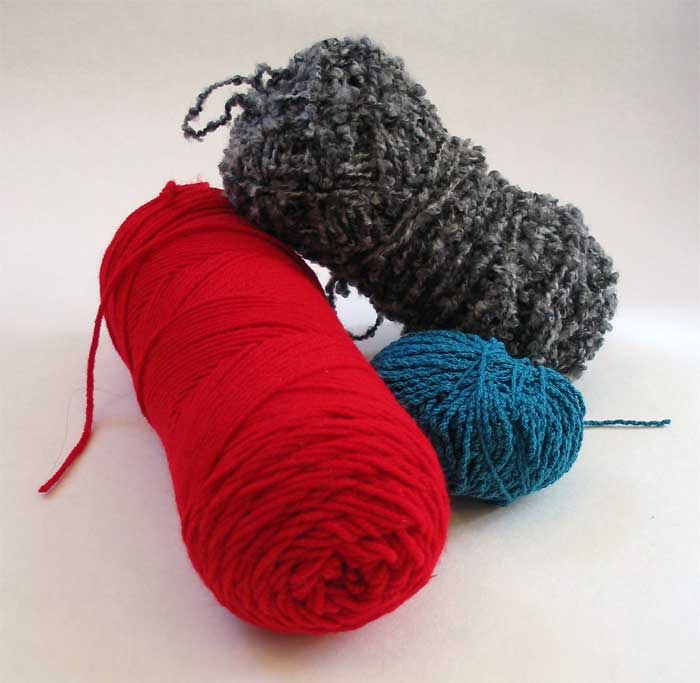





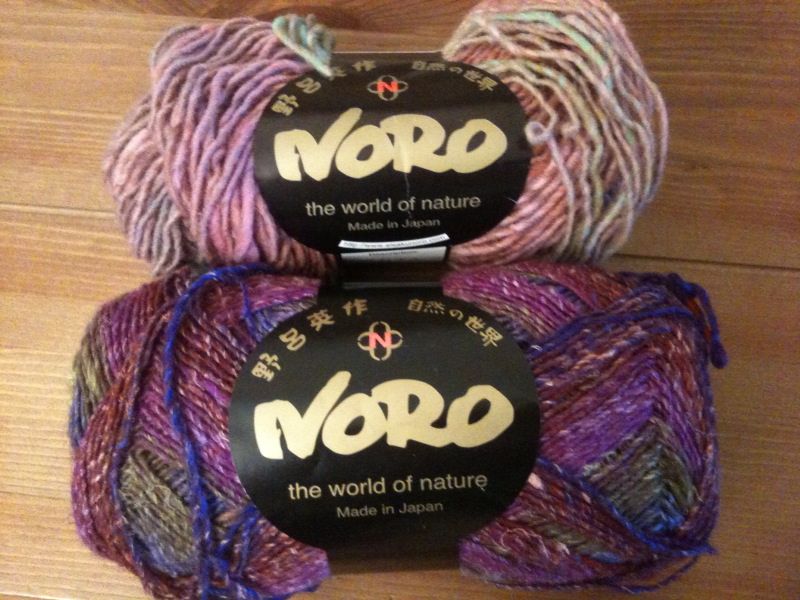
Materials and characteristics
Yarns are made from a wide variety of raw fibers: animal fibers such as wool and silk, plant fibers such as cotton and linen, and synthetic or regenerated fibers such as acrylic, nylon and viscose. Blended yarns combine two or more fibers to balance cost, durability, softness and care requirements. Yarn is also categorized by weight (thickness), which influences gauge and the kinds of projects it suits. Common weight names include lace, fingering, sock, sport, double-knit (DK), worsted, aran, bulky and super-bulky. Very fine yarns are often called thread, used for fine handwork or machine sewing.
Production and structure
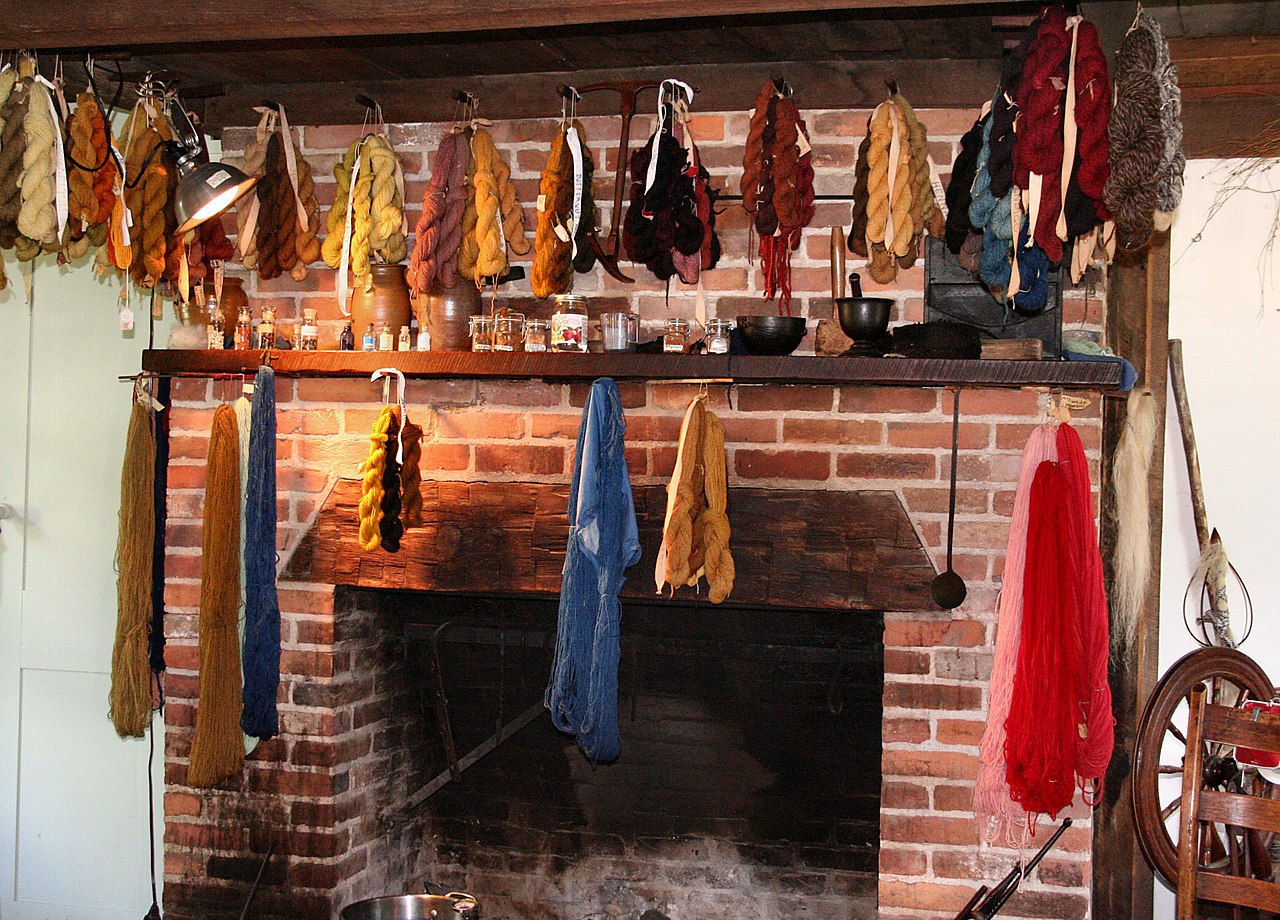
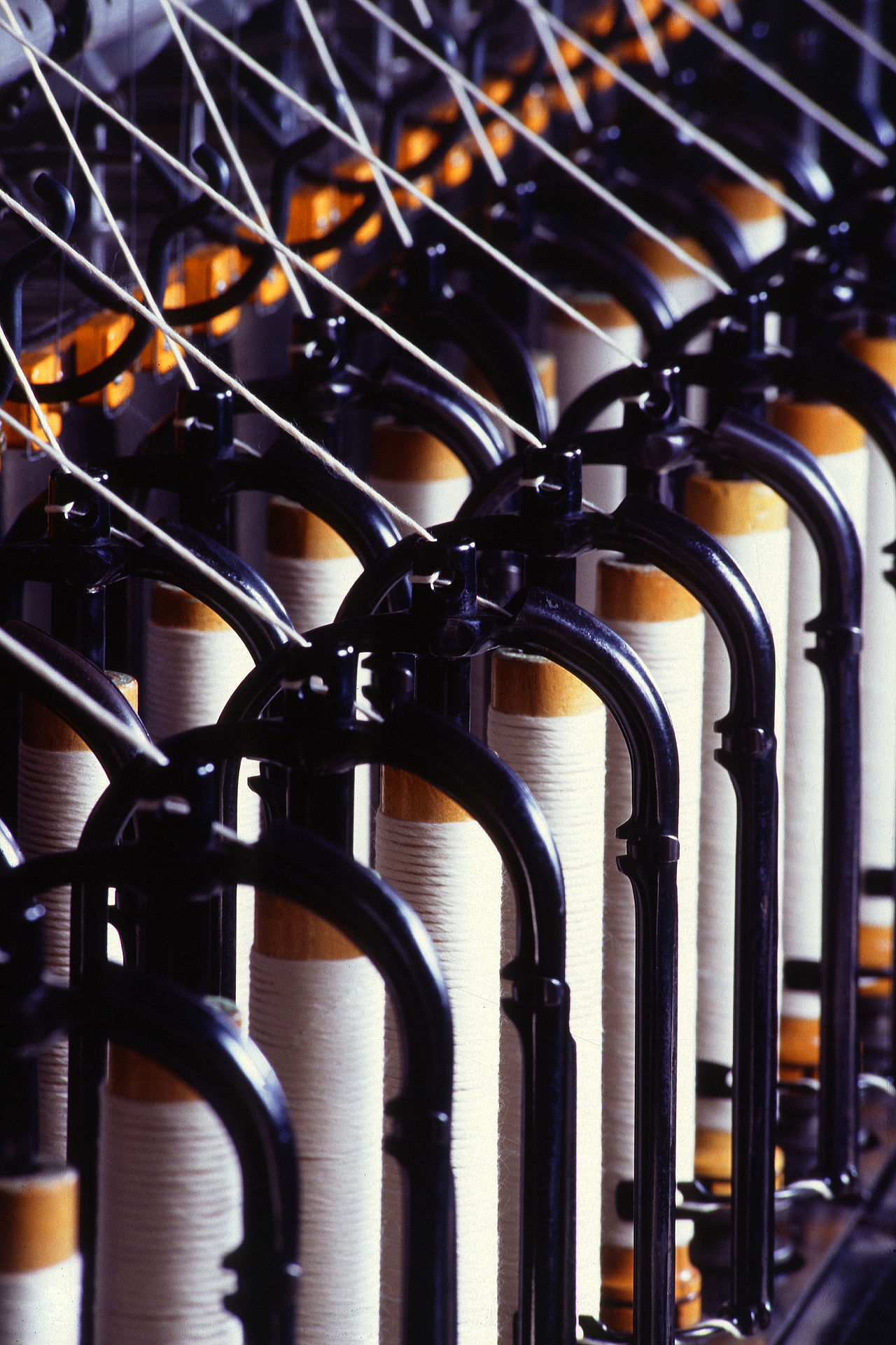
Basic production methods include carding or combing fibers to align them, then drafting and twisting to create continuous yarn. Filament fibers (for example silk or synthetic filaments) may be combined without much twist, while staple fibers (short fibers) require more twisting to form a stable yarn. The way fibers are spun—direction and amount of twist, ply count (single, two-ply, three-ply, etc.), and finishing treatments (washing, steaming, heat-setting)—affects handfeel, drape and performance. Industrial and artisanal producers both apply these principles; small-scale dyers and hand-spinners emphasize tactile qualities while mills concentrate on uniformity and production speed.
Uses and techniques
Yarn is the raw material for numerous textile crafts and manufacturing processes. It is worked into fabric by knitting, crocheting and weaving, or used in surface decoration such as macramé and tapestry. Knitting is often referenced alongside crocheting and weaving as primary methods of converting yarn into garments and home textiles. Extremely fine yarn or thread supports sewing and delicate handwork, while slightly thicker yarns are favored for garments, accessories and blankets. Embroidery uses specialized yarns and threads for decorative stitching; for more detailed needlework see resources on embroidery.
History and cultural significance
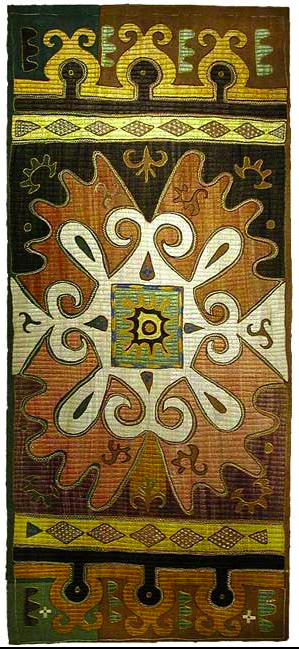
Producing yarn is an ancient human technology; early societies used locally available fibers to make clothing and shelter. The development of spinning tools and later mechanized spinning during the Industrial Revolution greatly increased production capacity and lowered costs, making textiles one of the first industries to industrialize. Throughout history, yarn has carried cultural meaning: specific fibers, colors or weaving patterns often signal regional identity, social status or traditional craft practices.
Selection, care and notable distinctions
Choosing yarn for a project involves assessing fiber content, weight, yardage, gauge and recommended needle or hook size. Care instructions vary: animal fibers may felt or shrink if washed improperly, while many synthetics tolerate machine washing. Specialty yarns include novelty types (bouclé, eyelash, slub) and performance yarns engineered for strength, moisture management or flame resistance. Skeins, balls and cones are common retail forms; skeins and hanks are useful to prevent tangles and must often be wound into a workable ball before use. Whether for craft, fashion or industry, yarn remains a versatile, foundational material in textile creation.
Related articles
Author
AlegsaOnline.com Yarn — fibers, types, production and uses Leandro Alegsa
URL: https://en.alegsaonline.com/art/109654