
Train (rail vehicle)
A train is a linked set of rail vehicles moved together for transporting people or goods. This article explains components, history, common uses, and key distinctions in rail transport.
A train is a group of connected railway vehicles that travel together on tracks under the guidance of rails and signalling. Individual vehicles are commonly called railway cars, and the unit that provides propulsion is known as a locomotive or, in many modern designs, as motorized driving units. The combination of vehicles forming a moving set is sometimes referred to as the consist.
Image gallery
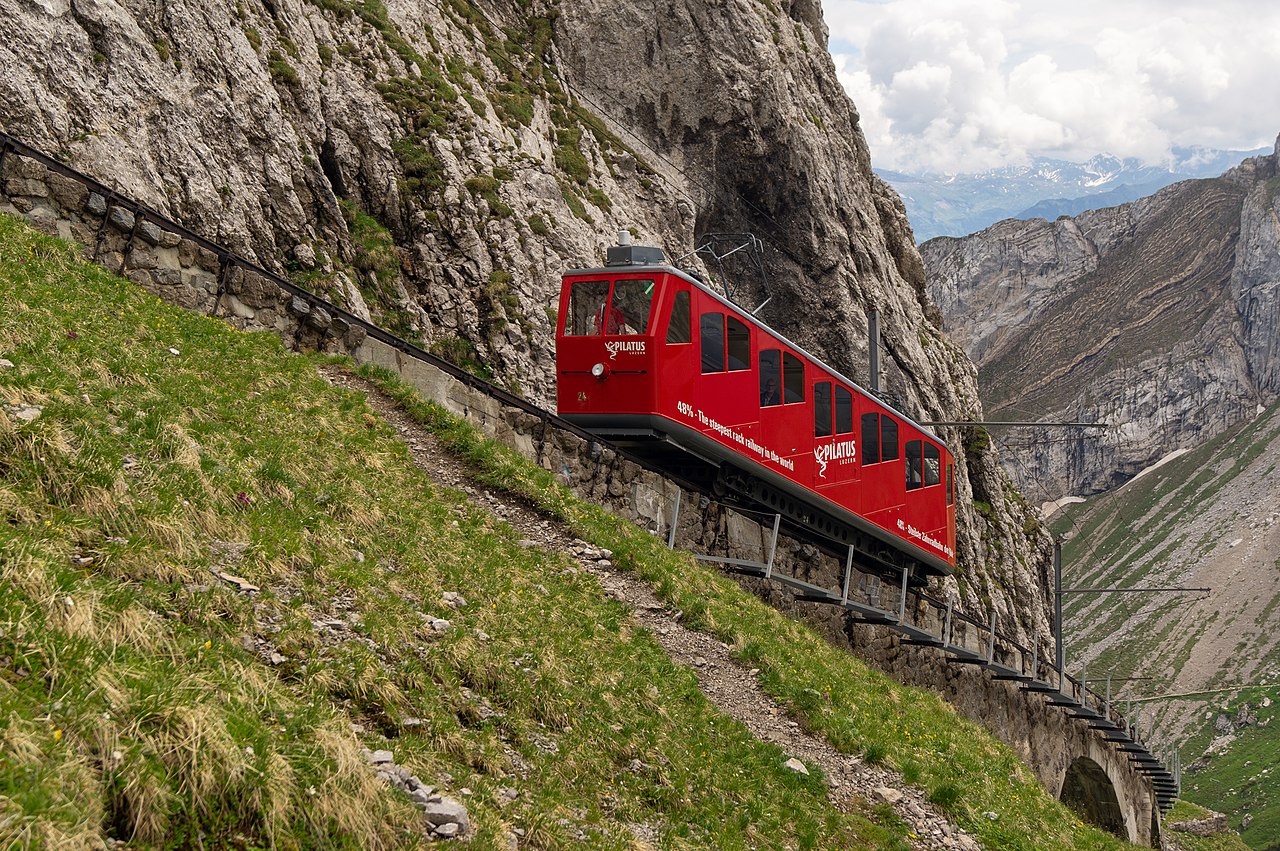
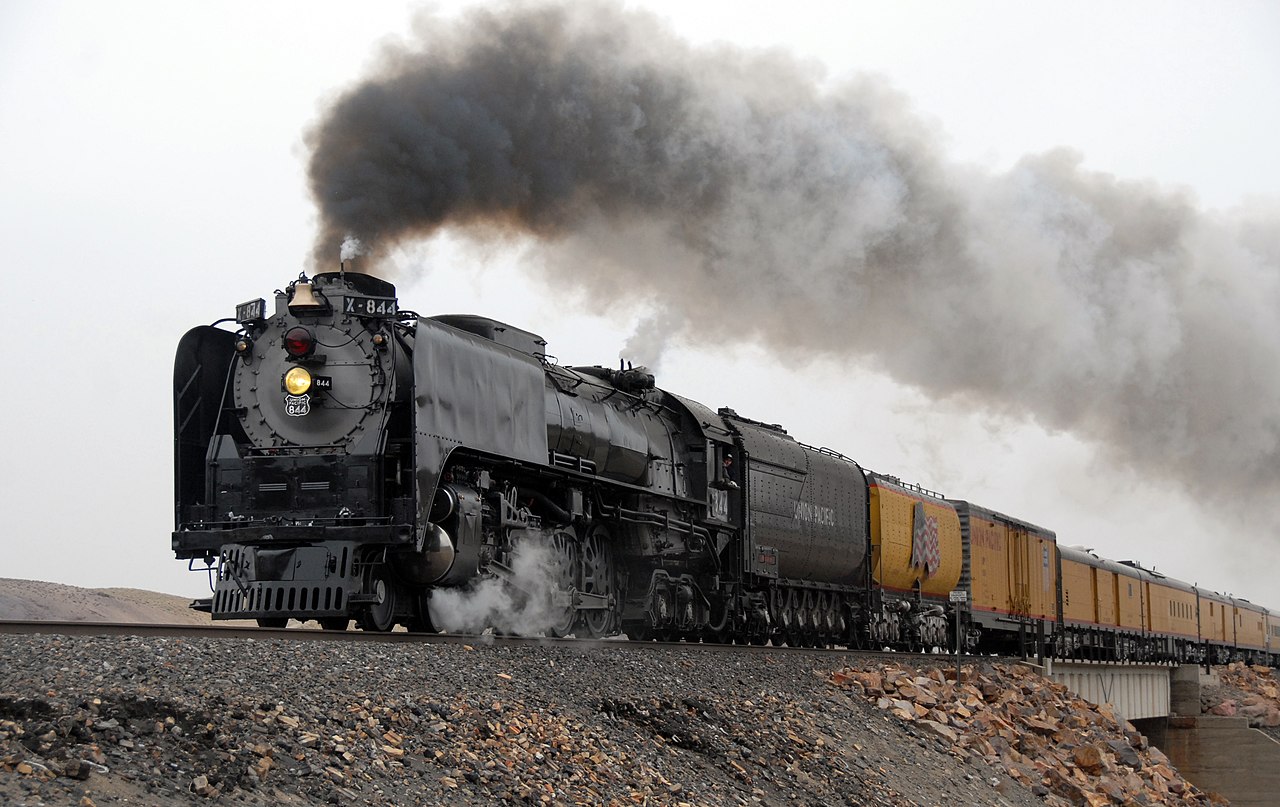
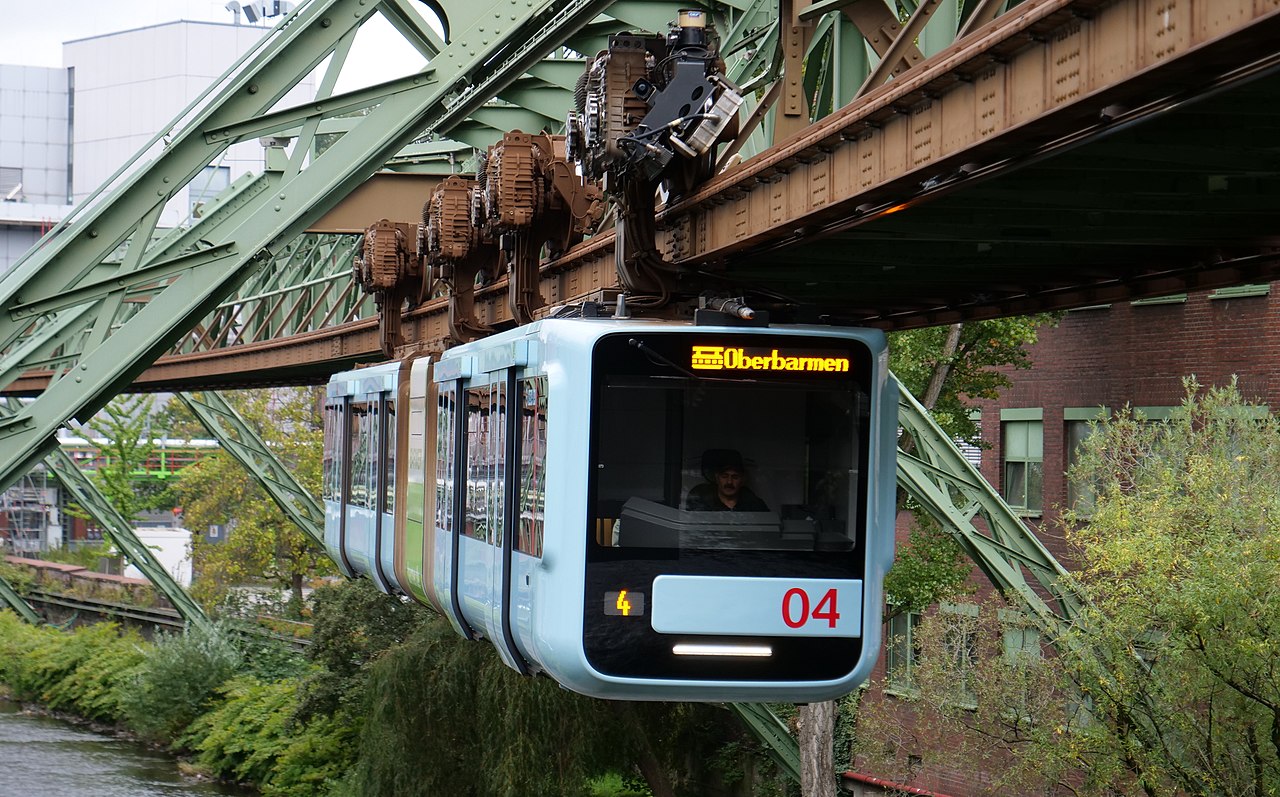
10 Images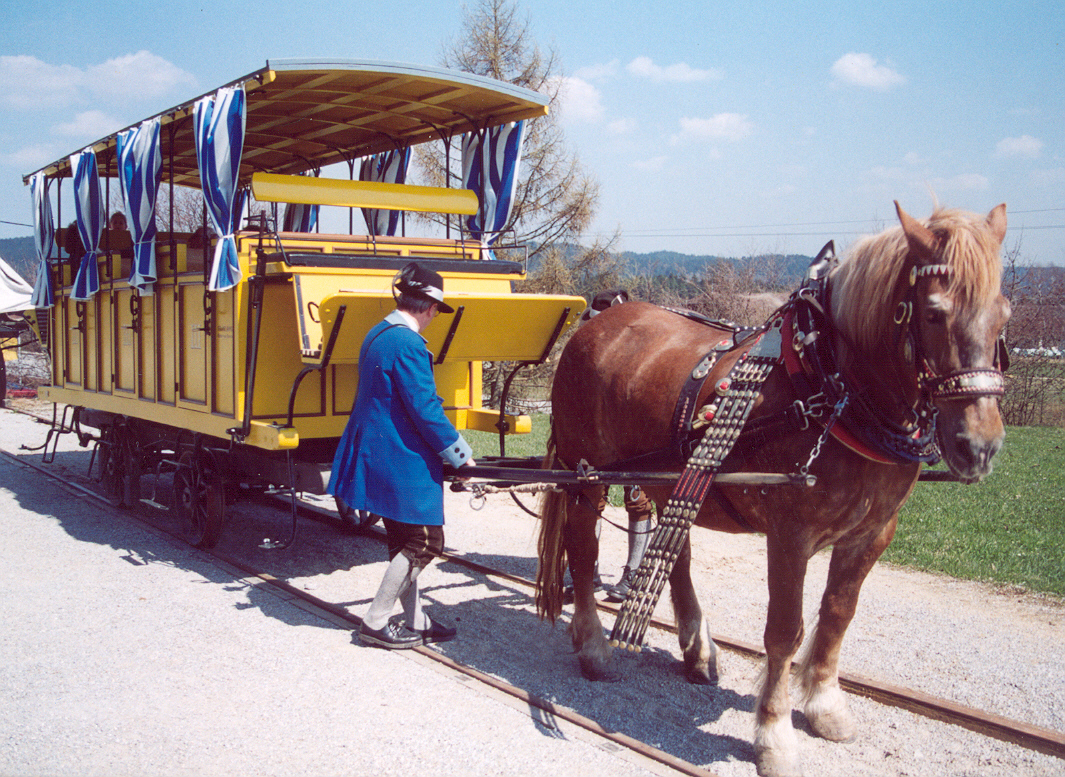





Main parts and configurations
Trains are assembled from several basic elements and can be arranged for different roles. Typical components include:
- Traction units: locomotives or distributed power units that supply motion.
- Passenger vehicles: coaches or carriages designed for seating, sleeping or local transit.
- Freight vehicles: purpose-built units for bulk, intermodal or containerized loads.
In some regions freight vehicles are called cars while in others they are known as wagons. Stations where trains stop are called train stations or railway stations and provide boarding, alighting and transfer facilities.
Traction, signalling and operation
Historically powered by steam, trains later adopted diesel and electric traction; contemporary systems also use multiple-unit electric or diesel-electric designs. Rail operation depends on track infrastructure, signalling systems and timetabling to manage movements and maintain safety. Trains can be optimized for speed, heavy haul, frequent stops, or specialized freight duties.
History and development
Rail transport grew out of early guided wagonways and industrial lines, becoming a major transport mode during the industrial era. Steam locomotives dominated early passenger and freight services; later electrification, diesel power and continuous improvements led to suburban commuter networks, long-distance services and high-speed lines in many countries.
Common uses and examples
Trains carry people and a wide variety of goods. Passenger services range from urban metro systems to overnight sleeper trains. Freight trains move bulk commodities such as raw materials, manufactured or finished goods, intermodal cargo and even waste and recyclable materials. Specialized formations include unit trains dedicated to a single commodity and intermodal trains that link with shipping containers.
Notable distinctions and impact
Key distinctions include passenger versus freight service, locomotive-hauled versus multiple-unit operation, and varying track gauges and electrification standards between countries. Rail is valued for its capacity to move heavy loads efficiently and, on electrified networks, with relatively low local emissions. Trains remain central to many national transport strategies and urban transit systems.
Questions and answers
Q: What is a train?
A: A train is a set of railway cars, also known as vehicles, that are connected together with or without a locomotive.
Q: What are trains used for?
A: Trains are used to carry people and freight such as raw material, finished goods, cargo and waste.
Q: What type of vehicles carry freight?
A: Vehicles that carry freight are called cars in the United States and wagons in the United Kingdom.
Q: What type of vehicles carry passengers?
A: The vehicles that carry passengers are often called coaches or carriages.
Q: What is a place where a train stops to let people on and off called?
A: A place where a train stops to let people on and off is called a train station or railway station
Related articles
Author
AlegsaOnline.com Train (rail vehicle) Leandro Alegsa
URL: https://en.alegsaonline.com/art/101059