
Fiat 500 (Cinquecento): Italy's compact city car and its revival
Overview of the Fiat 500: Dante Giacosa's compact city car produced 1957–1975, its design, variants, cultural role and the 2007 Nuova 500 retro-styled revival.
The Fiat 500, widely known in Italy as the "Cinquecento," is one of the best‑known small city cars of the postwar era. Launched in 1957 and produced through the mid‑1970s, it was conceived by Fiat engineer Dante Giacosa as an affordable, economical solution for everyday urban mobility. Its compact footprint, cheerful rounded styling and straightforward engineering made it instantly recognisable across Europe and helped motorise many households during a period of rapid social and economic change.
Image gallery
10 Images


Design and engineering
The original 500 emphasised economy, simplicity and space efficiency. It used a compact, rear‑mounted air‑cooled engine and a lightweight body that allowed surprisingly useful interior room for its external size. The 500 typically offered basic two‑door seating arranged for short trips, with foldable or flexible rear seat arrangements to increase luggage capacity. Mechanical systems were deliberately simple to keep purchase, running and maintenance costs low.
Variants and special editions
Throughout its production life the Fiat 500 was offered in a variety of trim levels and body styles to suit different needs. These included more comfort‑oriented saloons, open‑top or convertible versions for leisure use, and small commercial adaptations such as estate or van derivatives tailored for light business transport. Coachbuilders and Fiat itself also produced playful beach and leisure versions that emphasised style over practicality.
Cultural impact and legacy
Beyond its practical role, the 500 became a cultural icon of Italian design and urban life. Its friendly proportions and ubiquitous presence in towns and cities made it a frequent subject in photography, cinema and advertising. The car retains a devoted following among collectors and enthusiasts; restored examples are shown at classic car events and form the core of clubs dedicated to preserving small Italian cars of the era.
Revival: the 2007 Nuova 500
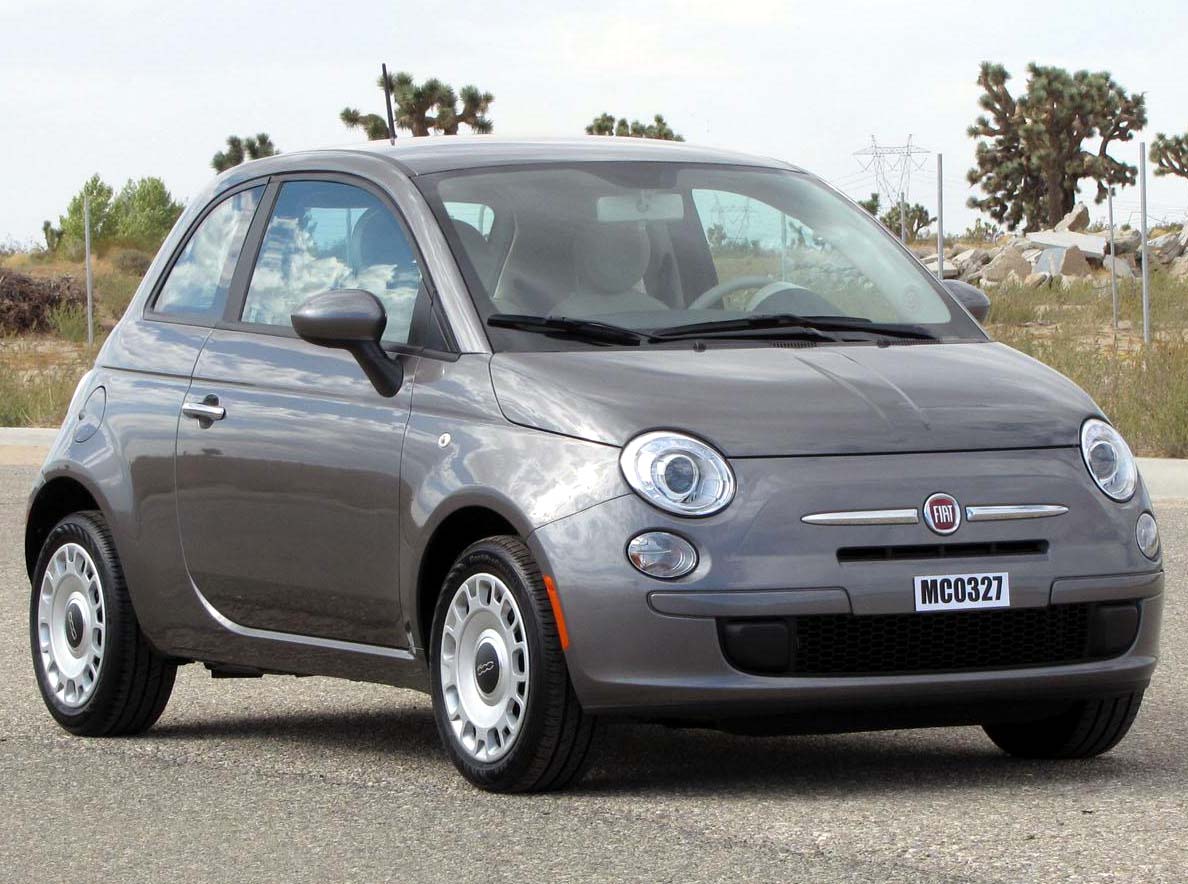
In 2007 Fiat introduced the Nuova 500, a modern reinterpretation that deliberately echoed the original's styling cues while complying with contemporary safety, emissions and comfort expectations. Unlike the rear‑engined original, the revival model uses a front‑mounted, water‑cooled engine with front‑wheel drive and incorporates modern electronics, safety systems and creature comforts. The 2007 model and its subsequent updates helped reinvigorate the 500's image and contributed to a broader trend for retro‑styled compact cars.
Preservation and modern interest
Original Fiat 500s are now commonly seen in the classic car scene; they are valued for their historical significance, distinctive appearance and relative mechanical simplicity. The model's long cultural life, along with the success of the modern revival, ensures that the Fiat 500 continues to be recognised as a defining example of small‑car design and accessible urban motoring.
Related articles
Author
AlegsaOnline.com Fiat 500 (Cinquecento): Italy's compact city car and its revival Leandro Alegsa
URL: https://en.alegsaonline.com/art/34149