
Railway track: structure, function, history and types
A railway track is the fixed steel path that guides trains. This article explains its parts (rails, sleepers/ties, ballast), design principles, history, maintenance, common types and safety features.
A railway track (also called a railroad in the United States) is the engineered, continuous path that guides rail vehicles. It consists primarily of two parallel steel rails mounted at a fixed distance from each other and supported by transverse members and a prepared foundation. Tracks provide the running surface, guidance and load-bearing system that allow trains to move efficiently and safely over land. For basic context about trains and rail transport see trains and freight/passenger services, and for regional terminology differences see railway/railroad usage.
Image gallery
10 Images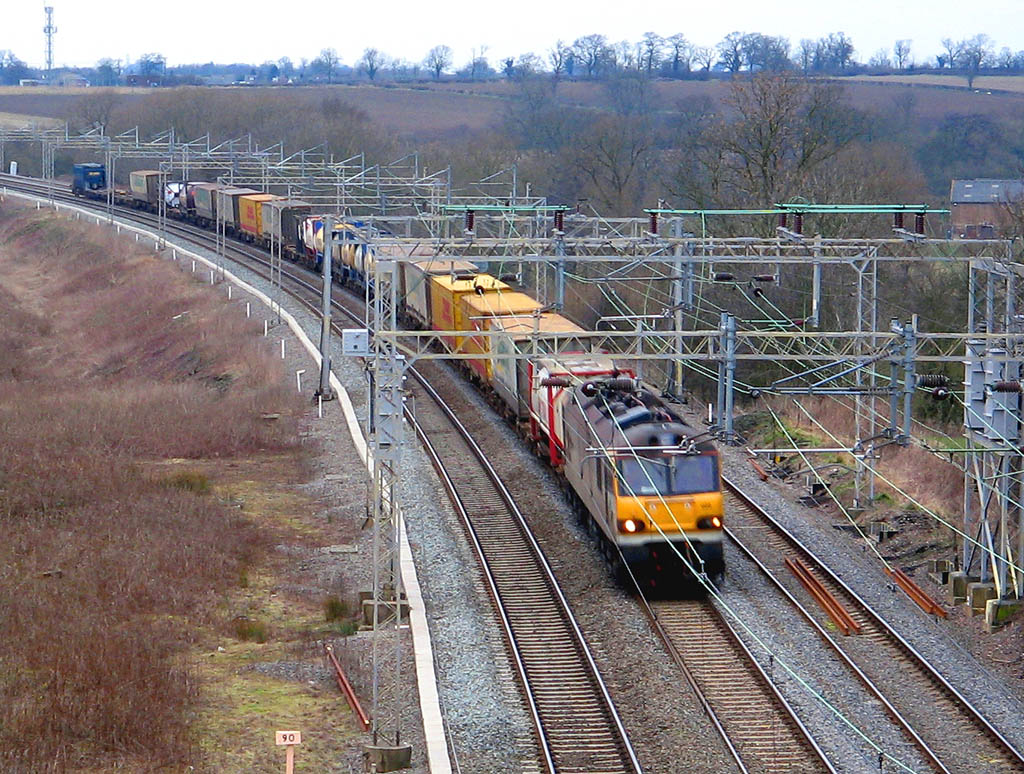






Main components and design
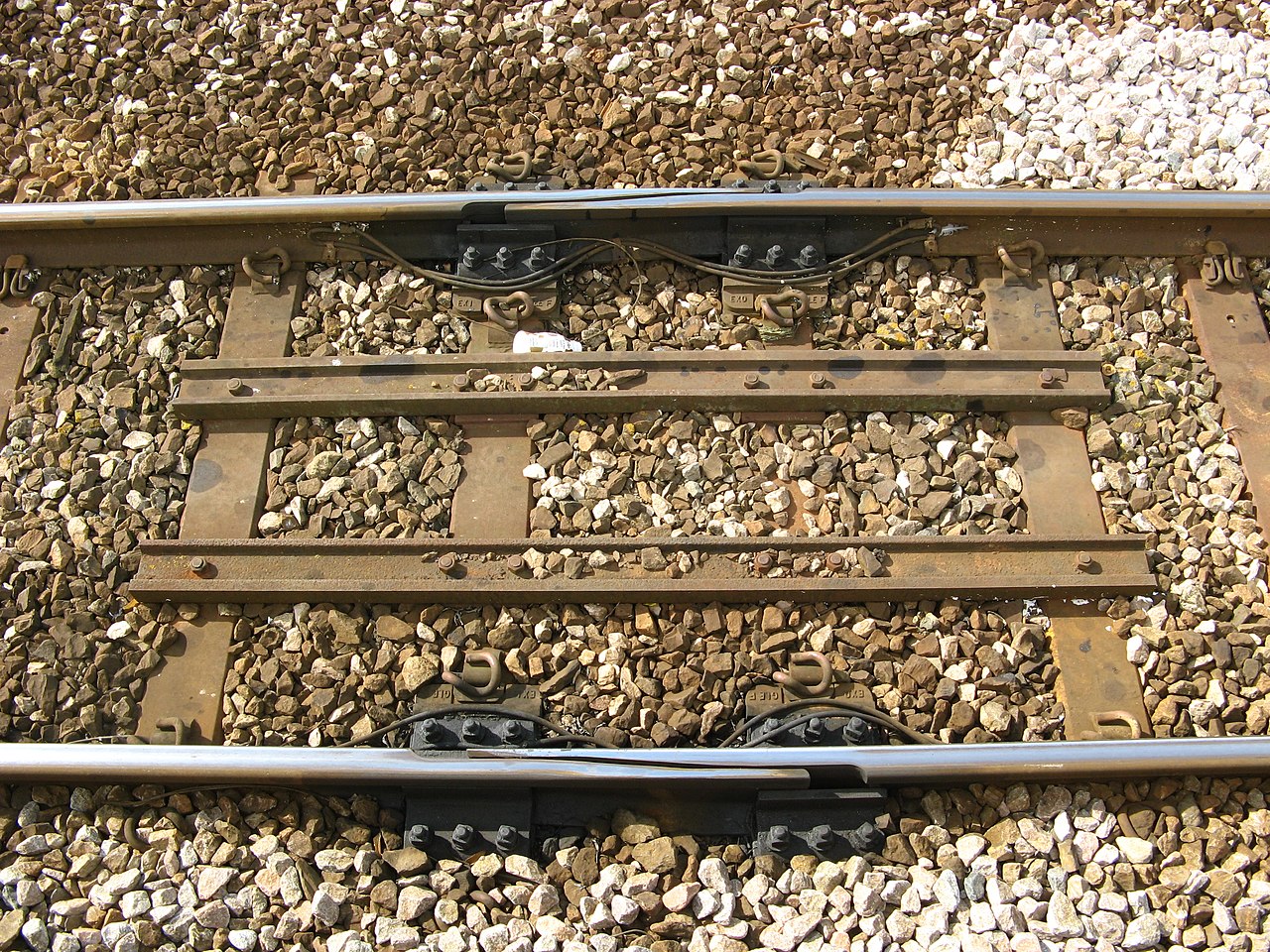
The principal elements of a track are the rails, the sleepers (also called ties), the fastening system and the ballast or substructure. Rails are long, rolled steel members shaped to give a durable running surface and withstand heavy wheel loads; they are often described simply as rails. Sleepers keep the rails at the correct lateral spacing (the gauge) and transfer loads into the ballast. Sleepers are commonly made of timber, pre-stressed concrete or steel. Ballast—crushed stone laid under and around the sleepers—stabilizes the track, provides drainage and resists movement.
Important design features include:
- Gauge: the fixed distance between the inner faces of the two rails, which determines vehicle compatibility.
- Rail profile and running surface: the top of the rail is slightly inclined to match the wheel tread geometry; the running surface or rail head is hardened to resist wear.
- Fastenings: clips, spikes or anchors that secure rails to sleepers and control longitudinal movement.
- Turnouts and crossings: special assemblies that permit trains to change tracks or cross paths safely.
History and development
Early rail guidance took the form of wooden beams or cast-iron plates used in wagonways before the advent of modern railways. During the 19th century, wrought iron and then steel rails replaced earlier materials, enabling heavier loads, higher speeds and longer continuous lengths. The adoption of standardized gauges and mass-produced rail sections supported the rapid expansion of national and international railway networks. Over time track technology evolved from jointed rails bolted together to continuous welded rail, improving ride quality and reducing maintenance.
Operations, maintenance and safety
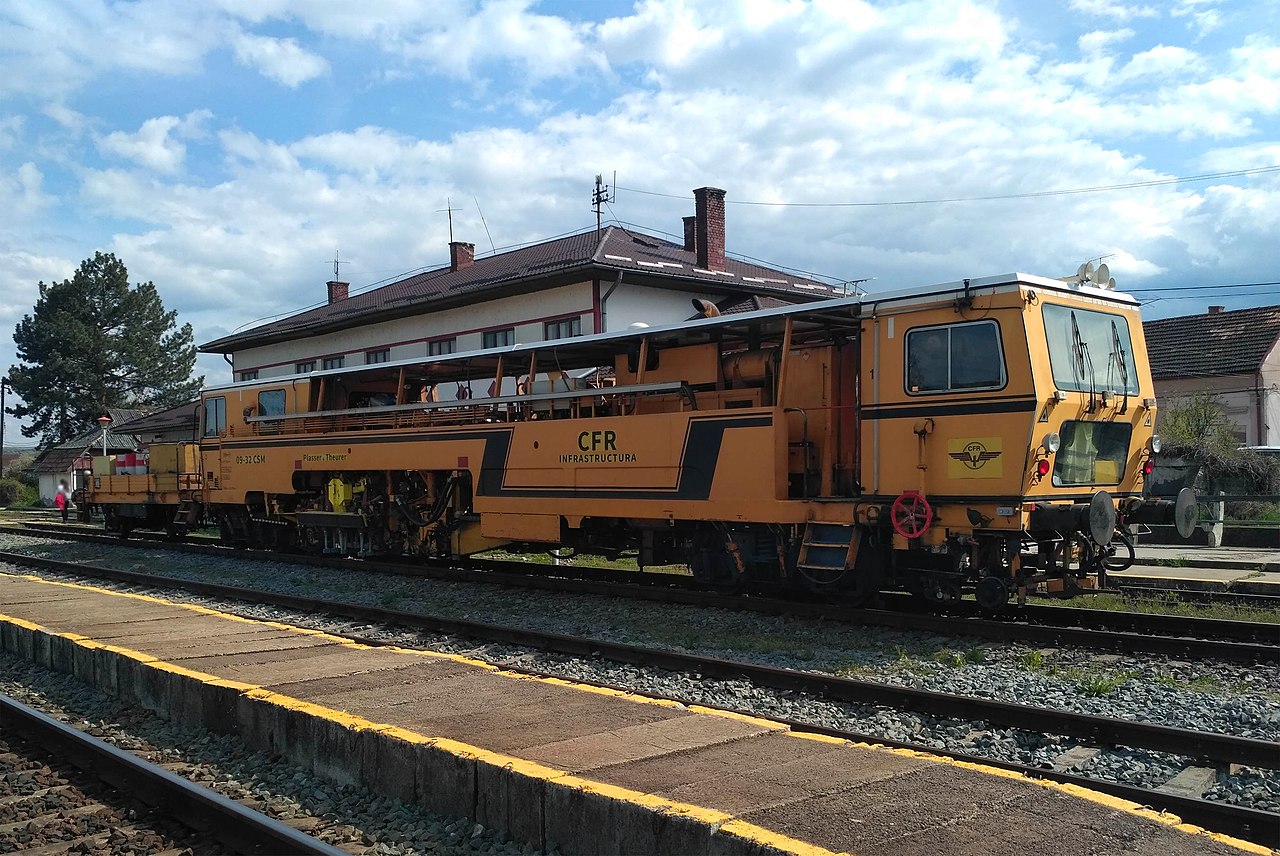
Track condition is critical to safe railway operation. Regular maintenance includes tamping the ballast to correct alignment, grinding rail heads to remove irregularities, replacing worn rails and sleepers, and inspecting fastenings and switches. Specialized machines—tampers, ballast regulators and rail grinders—are used to maintain geometry and extend component life.
Safety features built into track design reduce the risk of derailment. Wheels are provided with flanges and coned treads that guide vehicles and allow for smooth negotiation of curves; additional guard or check rails are used in turnouts and at sharp curves. Traffic arrangements can use single, double or multiple parallel tracks so that trains may travel in opposite directions on separate lines (for example eastbound and westbound services on parallel tracks one way and the other).
Types, uses and notable distinctions
Tracks serve many roles: mainline railways for long-distance passenger and freight services, urban metro and tram systems with lighter track forms, industrial or private sidings, and heritage lines preserved for historical operation. Variations include broad, standard and narrow gauges, single versus double track layouts, and electrified versus non-electrified systems. High-speed lines typically use continuous welded rail on concrete sleepers with carefully engineered subgrades, while some rural or lightweight tramways still employ traditional sleepers and shallower ballast.
Railway track is a mature technology whose components and methods continue to be refined for longevity, safety and operational efficiency. For technical standards and local practices consult specialized engineering sources and national railway guidelines via railway component references or general transport overviews such as transport encyclopedias.
Related articles
Author
AlegsaOnline.com Railway track: structure, function, history and types Leandro Alegsa
URL: https://en.alegsaonline.com/art/80887