
Tunnel: underground passage, types, construction, and significance
A tunnel is a man-made underground passage used for transport, utilities, or wildlife. This article explains types, construction methods, geological influences, major examples and social and environmental aspects.
Overview
A tunnel is an artificial passage dug below the surface to carry people, vehicles, water, utilities or wildlife safely through, under or across obstacles. Tunnels serve many purposes: they can carry road traffic and rail lines, accommodate pipelines and electrical conduits, house communication cables, or provide protected routes for animals. In some cases tunnels are large enough to allow navigation of ships or to connect bodies of water for boats and barges. Modern tunnels range from short underpasses to major transnational links and utility galleries.
Image gallery
10 Images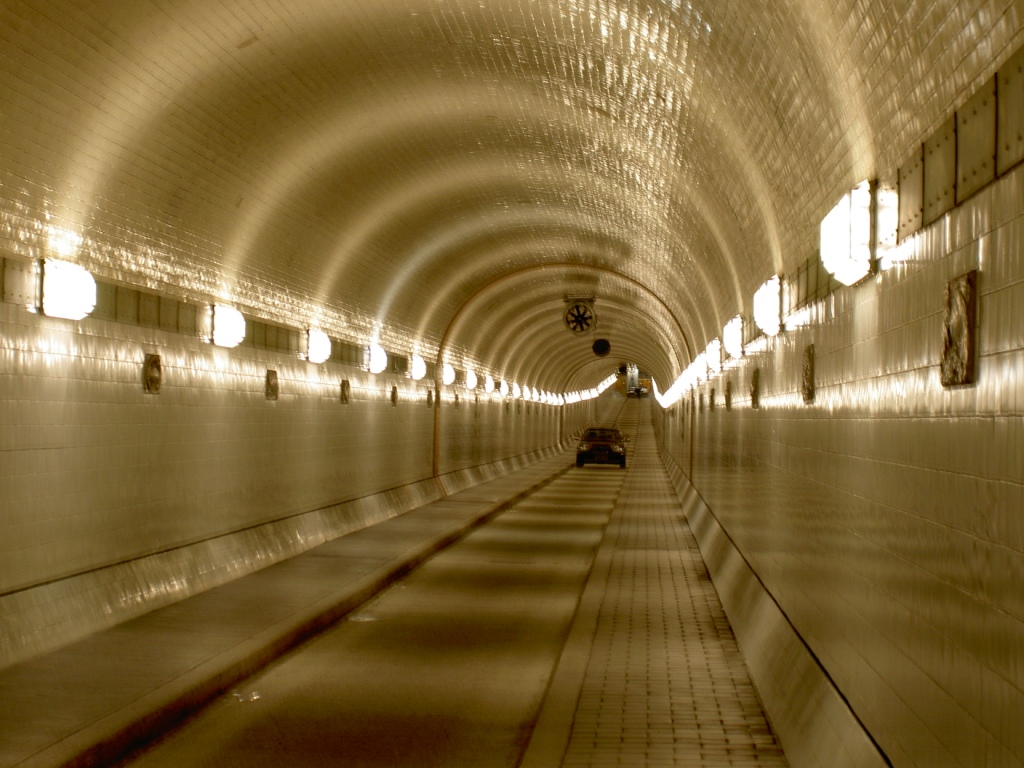

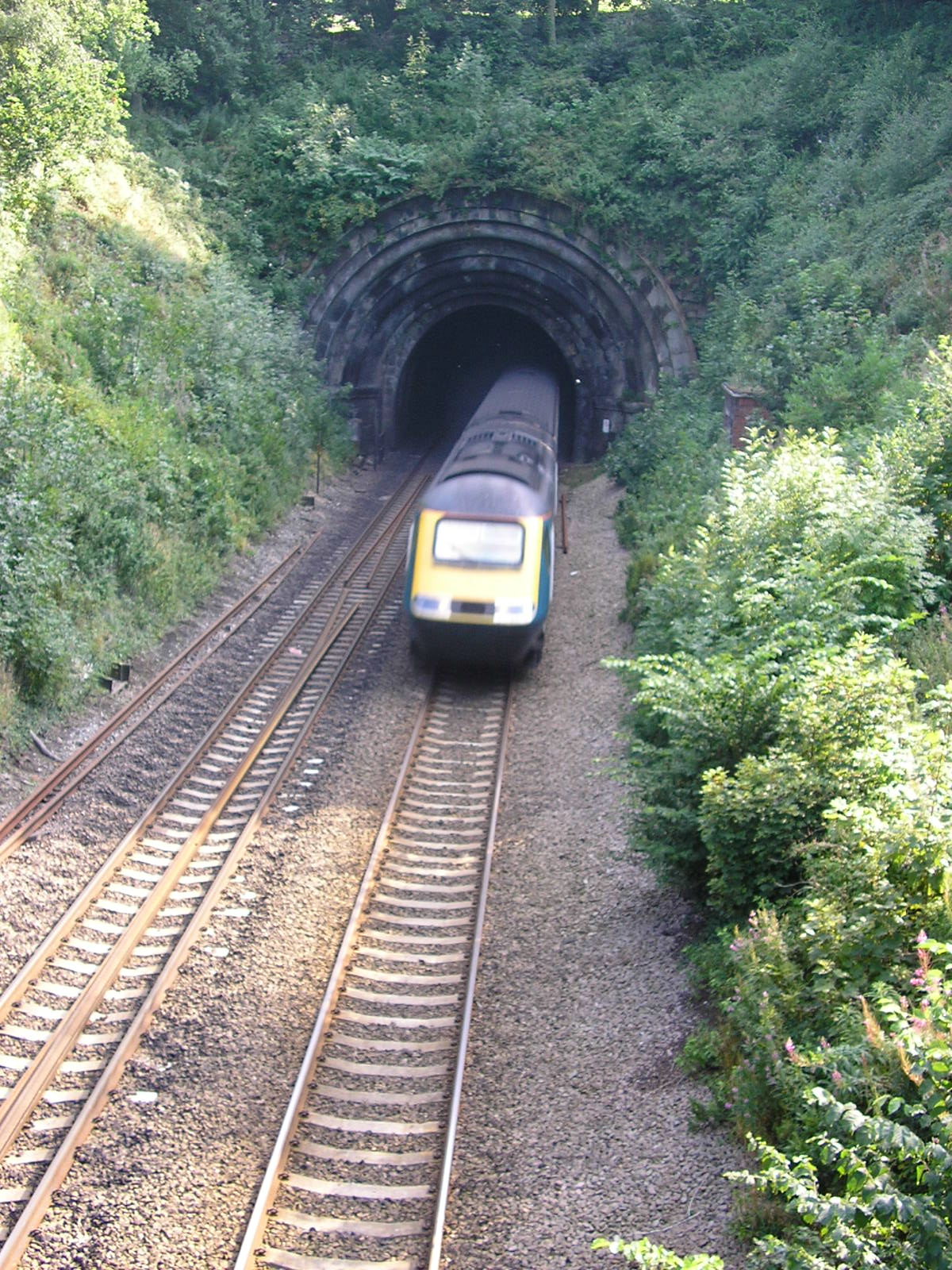
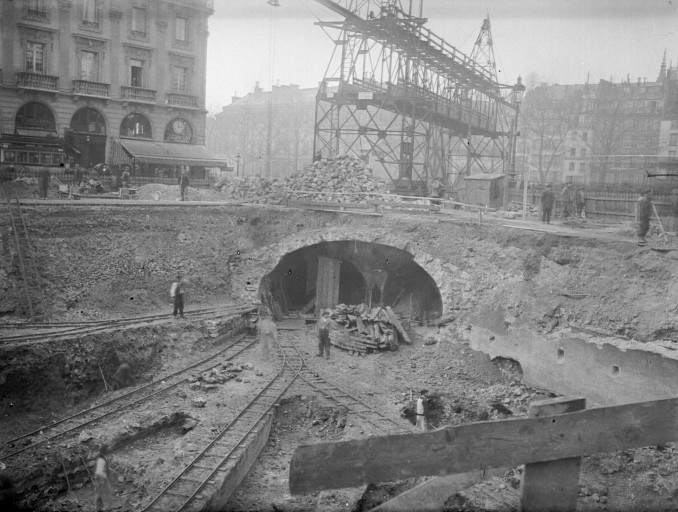


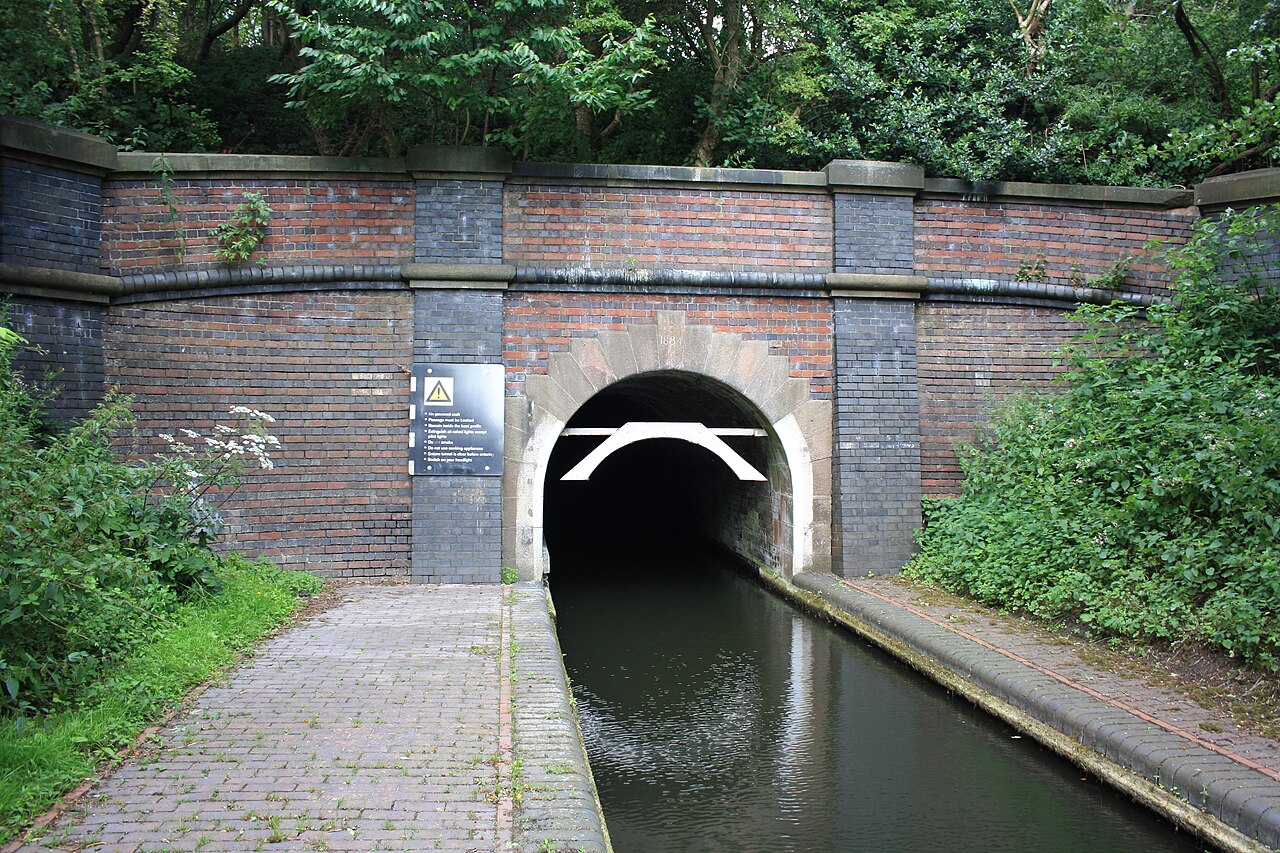


Common types and uses
Tunnels vary by function and shape. Typical categories include:
- Transport tunnels for cars, trains, trams or bicycles.
- Water and navigation tunnels built to carry canals or allow passage of vessels; some projects specifically serve ship traffic (see ship tunnels).
- Utility galleries that hold power lines, water mains and pipes or fibre-optic and telecommunications cables (telecom) (electricity).
- Wildlife and service passages designed to let animals cross roads or provide access for maintenance crews.
Construction methods and geology
The ground conditions determine how a tunnel is excavated. Soils such as loose sand or clay require different techniques than competent bedrock. Engineers distinguish between soft-ground techniques and hard-rock tunnelling and select methods accordingly. Common approaches include bored tunnels using tunnel boring machines (TBMs), drill-and-blast in competent rock, and the "cut and cover" method in shallow alignments. The cut-and-cover approach involves excavating a trench, building the tunnel structure and then restoring the surface, often used for urban road and utility tunnels (infrastructure) and for shallow routes where disruption is acceptable. Horizontal drilling or quarry-style drives are sometimes used for deep, stable rock sections (quarry). Practical examples of ground types appear in engineering references: from loose sands (sand) to hard rock (rock) and variable mixed-face conditions (ground types).
Technical, safety and planning considerations
Large tunnel projects are complex civil engineering undertakings that require detailed surveying, geotechnical investigation, ventilation, drainage and fire safety systems. They often take years of planning and construction and can be expensive due to challenges such as groundwater control, ground settlement, emergency access and environmental mitigation (civil engineering). Designers must balance cost, construction risk and long-term maintenance.
History and notable examples
Tunnelling has evolved from hand-dug galleries to mechanised boring. Well-known modern examples illustrate scale and ambition: the Channel Tunnel linking France and the United Kingdom is a major cross-sea rail tunnel that spans about fifty kilometres (Channel Tunnel) and connects ports in France and the British side often described as England. In alpine terrain, very long base tunnels have been driven to provide low-gradient rail routes; the Gotthard Base Tunnel in Switzerland is a prominent example of a modern long-distance rail tunnel.
Environmental and social aspects
Tunnels can reduce surface disruption by routing transport or utilities below urban or sensitive landscapes. They can also have environmental impacts during construction—noise, spoil disposal and changes to groundwater regimes—so regulations and mitigation are important. Where tunnels provide wildlife crossings or remove traffic from historic areas, they can improve safety and quality of life. Successful projects combine sound engineering, environmental care and community engagement to balance benefits and impacts.
Key distinctions and final notes
When discussing tunnels it helps to distinguish by function (transport vs utility), depth (shallow cut-and-cover vs deep bored), and geology (soft ground vs hard rock). Each combination brings different design priorities and risks. Whether short or very long, every tunnel requires careful planning, appropriate methods for the ground conditions and systems for safety and maintenance to serve its intended purpose reliably for decades.
ship tunnels communication cables electricity cables types of ground sand hard rock quarry roof infrastructure civil engineering Channel Tunnel France England Switzerland
Questions and answers
Q: What are tunnels used for?
A: Tunnels can be used for cars, trains, ships, communication cables, electricity cables, and animals.
Q: What is the 'cut and cover' tunnel digging method?
A: The 'cut and cover' system involves digging a tunnel in the ground and building a roof above it for roads or infrastructure that are close to the ground.
Q: How long is the Channel Tunnel between France and England?
A: The Channel Tunnel between France and England is 50 kilometers long.
Q: What is the length of the longest tunnel in the world?
A: The longest tunnel in the world is being built in Switzerland; it is called Gotthard Base Tunnel and it will be over 100 kilometers long when completed.
Related articles
Author
AlegsaOnline.com Tunnel: underground passage, types, construction, and significance Leandro Alegsa
URL: https://en.alegsaonline.com/art/102035
Sources
- google.com : Images for tunnels