
Fiat Panda
Compact, practical city car produced by Fiat since 1980. Noted for its boxy design, flexible interior, economical engines and 4x4 variants. Three generations and a variety of body and utility versions.
The Fiat Panda is a compact city car introduced by Fiat in 1980 and continuously produced in evolving forms since then. Designed as an affordable, practical vehicle for urban and small-family use, the Panda has been praised for its simple, boxy shape, efficient use of interior space and a variety of mechanical and body configurations that broadened its appeal across Europe.
Image gallery
10 Images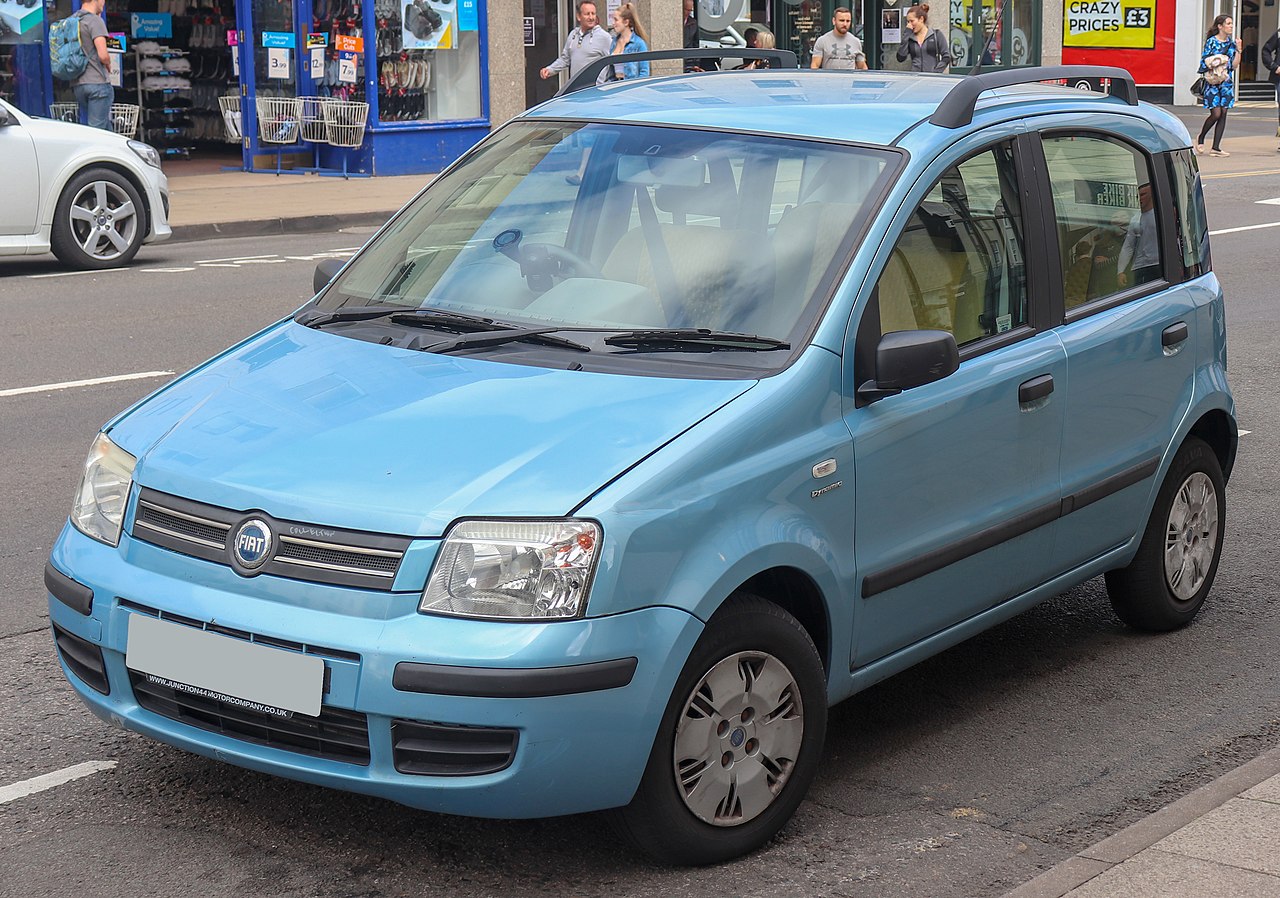




Characteristics
The Panda has consistently emphasized utility over luxury. Typical characteristics include a tall, upright body that maximises interior headroom, a short overall length for easy parking, and a modular cabin with foldable or removable rear seats to increase cargo flexibility. Across its lifespan the model line has employed a range of compact petrol and diesel engines focused on fuel economy, low running costs and relatively modest taxation in many markets. Later versions added modern safety and convenience features while retaining the model's compact footprint.
Generations and development
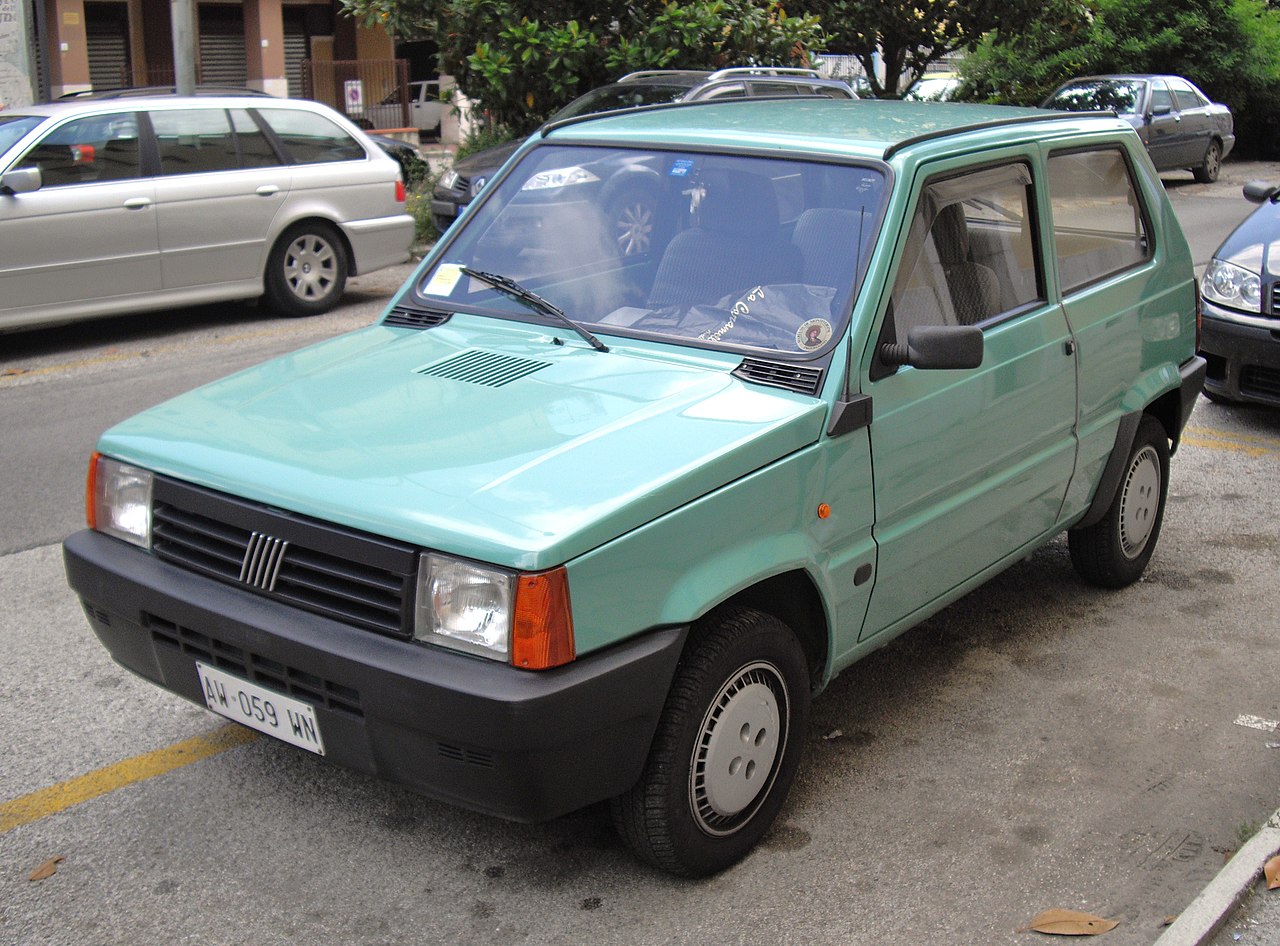
- First generation (1980–2003): The original Panda launched in 1980 and reached the United Kingdom a year later. Early years saw the introduction of a four-wheel-drive option in 1983 and several mid-life updates, including facelifts in the mid-1980s and early 1990s. Though withdrawn from some export markets in the mid-1990s, the first generation had a long production run in Italy into the early 2000s.
- Second generation (2003–2012): A complete redesign arrived in 2003, with production moved to Poland. The new Panda emphasized contemporary styling and improved refinement; it won the European Car of the Year award in 2004 and remained in production with modest updates through the end of 2012.
- Third generation (2011–present): The current generation debuted in the early 2010s and returned production to Italy. It modernised equipment levels, safety technology and offered a wider range of variants while retaining the Panda's practical character.
Variants and common uses
The Panda line has included several body styles and special versions to suit different needs. These have included commercial adaptations, compact estate-like layouts, and off-road oriented models with raised ride height and four-wheel drive. Because of its low purchase price, economical running costs and compact dimensions, the Panda has been popular with small families, young drivers and as a city-runabout. Its adaptable interior also makes it useful for light utility and business use in urban settings.
Notable facts and legacy
Over more than four decades the Panda has built a reputation as a no-nonsense, practical car that delivers maximum interior utility from a small exterior footprint. Its long production spans, award recognition and the introduction of rugged and commercial variants illustrate how a simple concept—an affordable, versatile small car—can be adapted to many markets and uses. The model remains a visible example of Fiat's focus on compact urban mobility and functional design.
Related articles
Author
AlegsaOnline.com Fiat Panda Leandro Alegsa
URL: https://en.alegsaonline.com/art/34159