
Fiat Croma
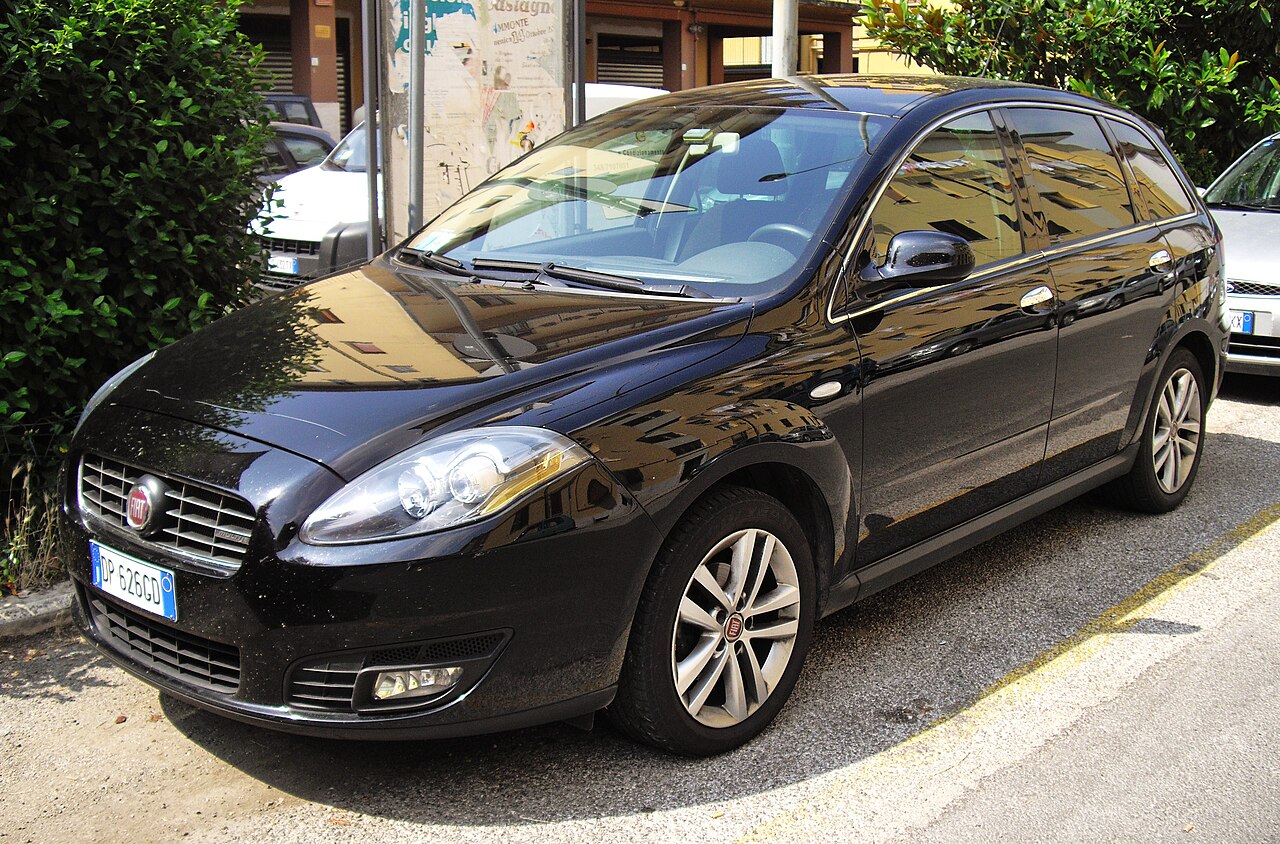
A large five-door car nameplate used by Fiat for two distinct models: a 1985–1996 large family hatchback (facelift 1991) and a 2005–2010 large MPV/crossover-like model.
Overview
The Fiat Croma name was applied to two different large, five-seat, four-door cars produced by Fiat. The first generation appeared in 1985 and stayed in production until 1996, receiving a notable design update in 1991. A second-generation model reused the Croma name from 2005 to 2010, but represented a very different approach in size, packaging and styling.
Image gallery
10 Images




Design and characteristics
Both models were aimed at buyers who needed roomy interiors and family-friendly practicality. The original Croma of the 1980s was a large hatchback shaped for highway comfort and interior space, while the 2005 model moved toward a taller, more MPV- or crossover-like body with a higher seating position and more flexible cargo layout. Across both generations Fiat offered a mix of petrol and diesel engines and transmission choices suited to European markets.
History and development
The first Croma launched in the mid-1980s as Fiat sought a contender in the large family and executive segment; it underwent a mid-life styling refresh in 1991 to modernize its looks and interior. After a hiatus from Fiat’s line-up, the nameplate returned in 2005 on a car designed to blend elements of an estate, MPV and crossover—reflecting market trends toward versatile, multi-purpose vehicles. Production of the second Croma ended in 2010.
Uses and market position
Both Croma models were marketed to families and professionals needing space and comfort rather than sporting performance. The cars were commonly chosen for long-distance travel and everyday utility. In some markets diesel engine variants were particularly popular because of fuel economy and torque suited to carrying heavier loads.
Notable distinctions
- Two distinct vehicle concepts under one name: a traditional large hatchback (1985–1996) and a roomy, MPV-like crossover (2005–2010).
- Both generations retained five seats and four doors, but differed substantially in roof height, driving position and interior flexibility.
- The 1991 update to the first generation refreshed styling and interior ergonomics rather than changing the car’s basic role.
References and further links
For production dates, specifications and visual comparisons, see related factory and historical pages: Fiat Croma overview, first-generation details, production timeline, 1991 facelift information, second-generation launch and end of production and legacy.
Related articles
Author
AlegsaOnline.com Fiat Croma Leandro Alegsa
URL: https://en.alegsaonline.com/art/34151