
Cell division: processes, types, and biological significance
Overview of how cells divide, the cell cycle and its stages, mitosis and meiosis, regulation and biological roles including growth, repair, reproduction, and consequences of errors.
Overview
Cell division is the process by which a single parent cell splits to produce new cells. It involves the duplication and partitioning of the cell's contents so that each daughter cell receives the necessary genetic material and organelles. The nucleus (nucleus) and its packaged DNA in the form of chromosomes are central to this process, and organelles such as the mitochondria are also distributed between daughters. Cell division underpins development, tissue maintenance, and reproduction across life.
Image gallery
4 Images

Cell cycle and control
Most eukaryotic cell divisions follow a repeating sequence called the cell cycle. The main phases are G1 (growth), S (DNA synthesis), G2 (preparation for division) and M (mitosis or meiosis). Progression through these phases is monitored by regulatory systems, including checkpoints that test for DNA damage or incomplete replication. Molecular regulators such as cyclins and cyclin-dependent kinases (CDKs) coordinate entry into and exit from phases. If damage is irreparable, a cell may enter programmed death rather than divide.
Mitosis: equal division for growth and repair
Mitosis is the type of division that produces two genetically identical daughter cells and is typical of somatic (body) cells. It proceeds through recognizable steps—prophase, metaphase, anaphase and telophase—followed by cytokinesis, which physically separates the cytoplasm. A dynamic structure called the mitotic spindle aligns and separates chromosomes so each daughter receives one copy of each chromosome. Mitosis supports organismal growth, replacement of worn-out cells (for example in skin or the lining of the gut), and asexual reproduction in some organisms.
Meiosis: reduction division for sexual reproduction
Meiosis is a specialized sequence of two divisions that produces four haploid cells from a diploid parent and is the basis for gamete formation. The first division is a reductional division that halves chromosome number and involves pairing and recombination between homologous chromosomes; the second division resembles mitosis, separating sister chromatids. The result is genetically diverse gametes such as sperm and eggs, enabling sexual reproduction and the development of a zygote (zygote). Meiosis is essential for species that sexually reproduce.
Examples, diversity, and historical notes
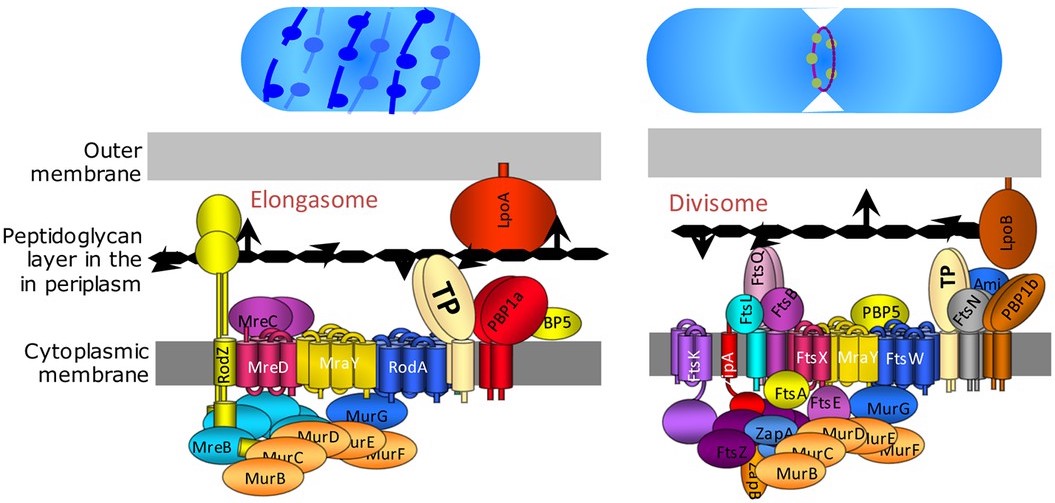
Different life forms use variations on cell division. Unicellular organisms like many protists reproduce by binary fission or mitosis-like processes; examples include amoebae in groups such as Amoebozoa and many bacteria that divide by simpler fission. In multicellular organisms, mitosis builds tissues and meiosis produces gametes. Researchers first observed cell division in detail with improved microscopes in the 19th century; foundational descriptions of mitotic stages were contributed by early cytologists.
Significance, errors, and practical uses
Accurate cell division is vital: errors in chromosome segregation can lead to aneuploidy and are associated with developmental disorders and cancer. Understanding the mechanisms of division has practical applications in medicine, genetics, and biotechnology. Techniques that manipulate cell division are used in plant propagation (for example, creating new plants from cuttings), in cancer therapies that target dividing cells, and in laboratory studies of development and heredity.
Key features and stages (summary)
- Primary phases of the cell cycle: G1, S, G2, M.
- Mitosis: one division → two genetically identical daughters (mitosis).
- Meiosis: two divisions → four genetically varied gametes (meiosis).
- Regulation by checkpoints, cyclins and CDKs; alternative outcomes include repair or apoptosis.
- Relevance across life: unicellular reproduction (unicellular organisms), eukaryotic diversity and development.
For concise introductions or deeper reading, consult general biology resources and specialized texts on cell biology and genetics (parent cell concepts, nuclear structure, chromosome behavior, organelle inheritance, mitosis details, meiosis mechanisms, microbe reproduction, Amoebozoa examples, sexual reproduction, zygote formation).
Related articles
Author
AlegsaOnline.com Cell division: processes, types, and biological significance Leandro Alegsa
URL: https://en.alegsaonline.com/art/17888