
Endometrium: structure, function, and clinical importance
The endometrium is the inner mucous membrane of the uterus that thickens and sheds cyclically. It supports implantation, responds to hormones, and is central to menstruation and fertility.
Overview
The endometrium is the mucosal lining of the uterus. It is a dynamic tissue that responds to changing levels of sex hormones and undergoes recurring cycles of growth, differentiation and shedding in reproductive-age people. Its condition is a key determinant of fertility and menstrual bleeding.
Image gallery
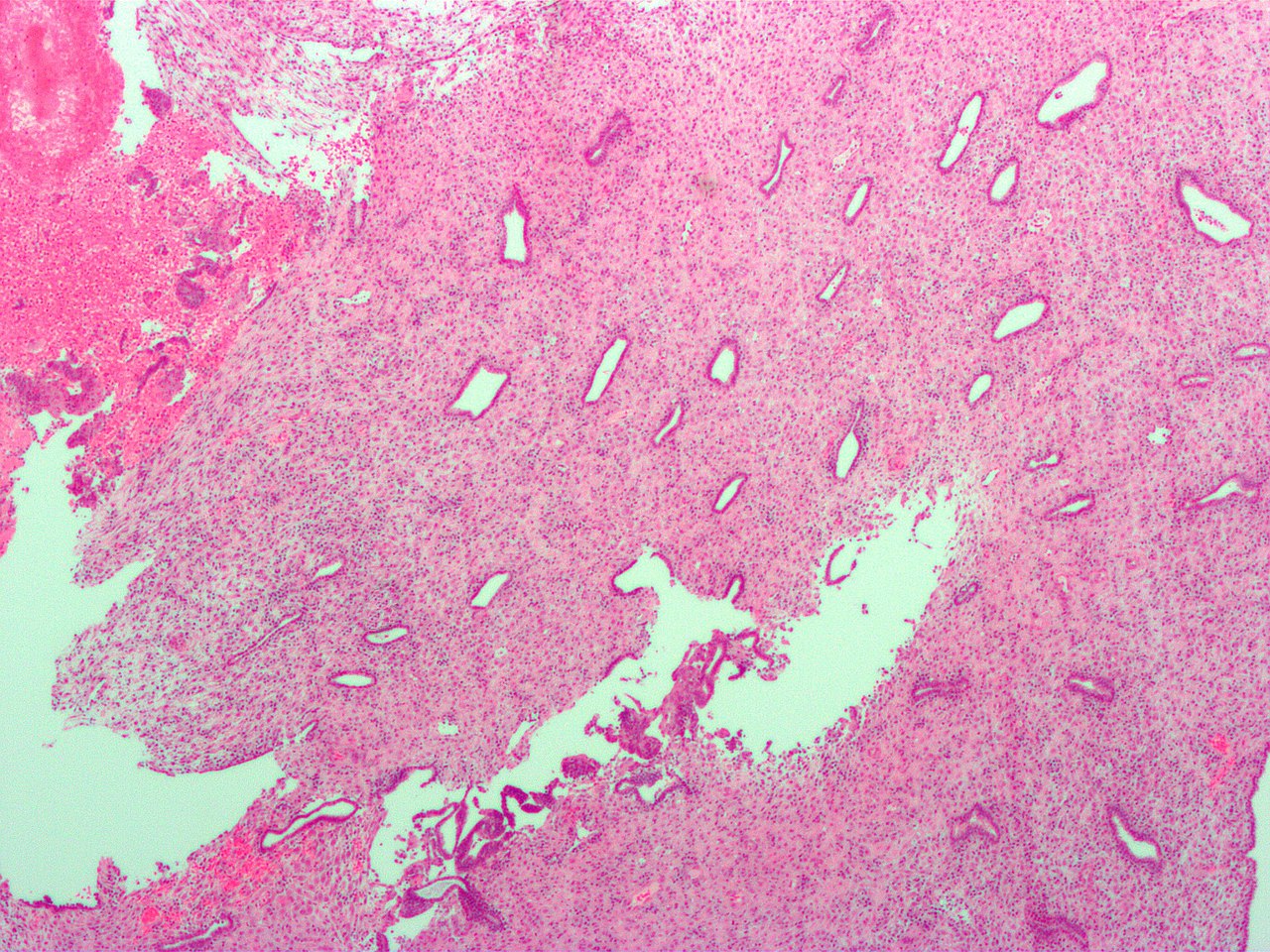
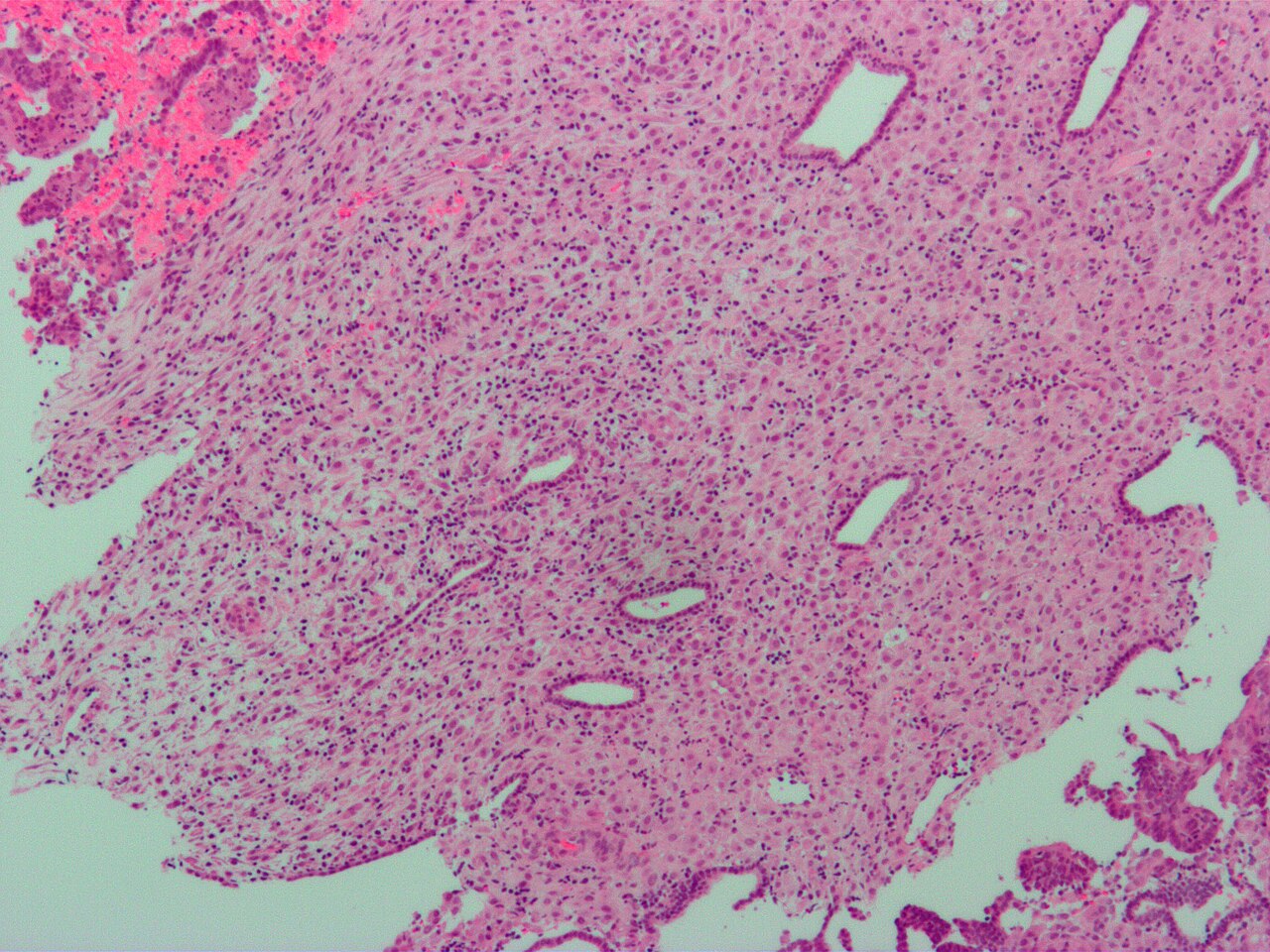
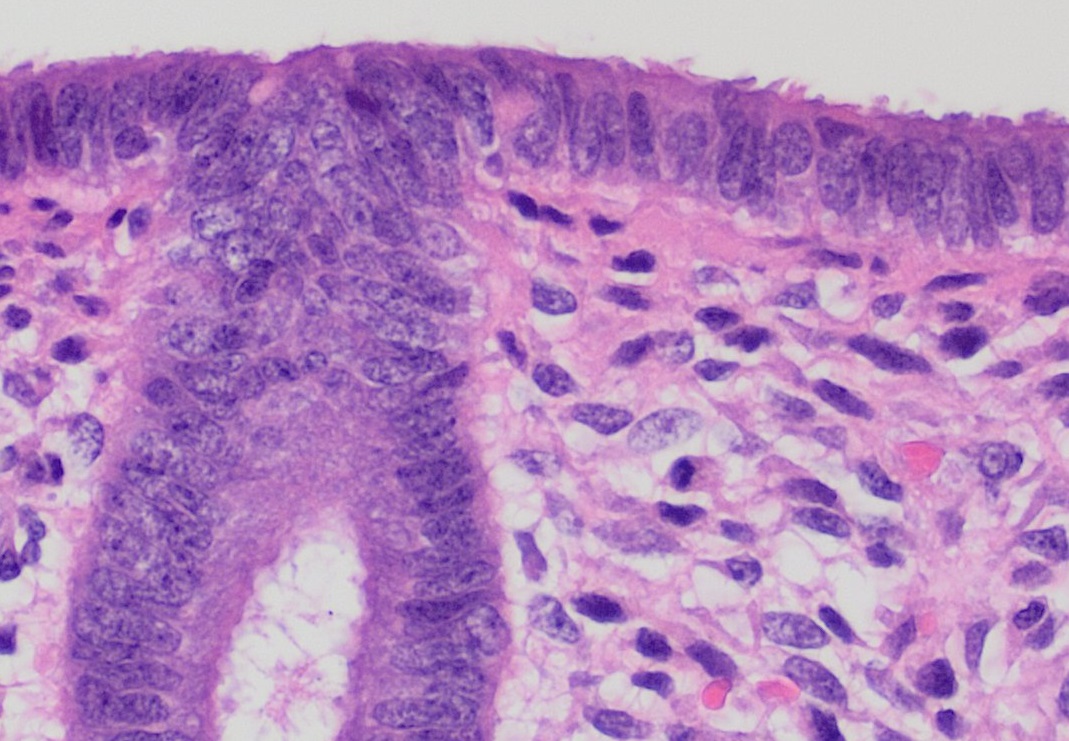
10 Images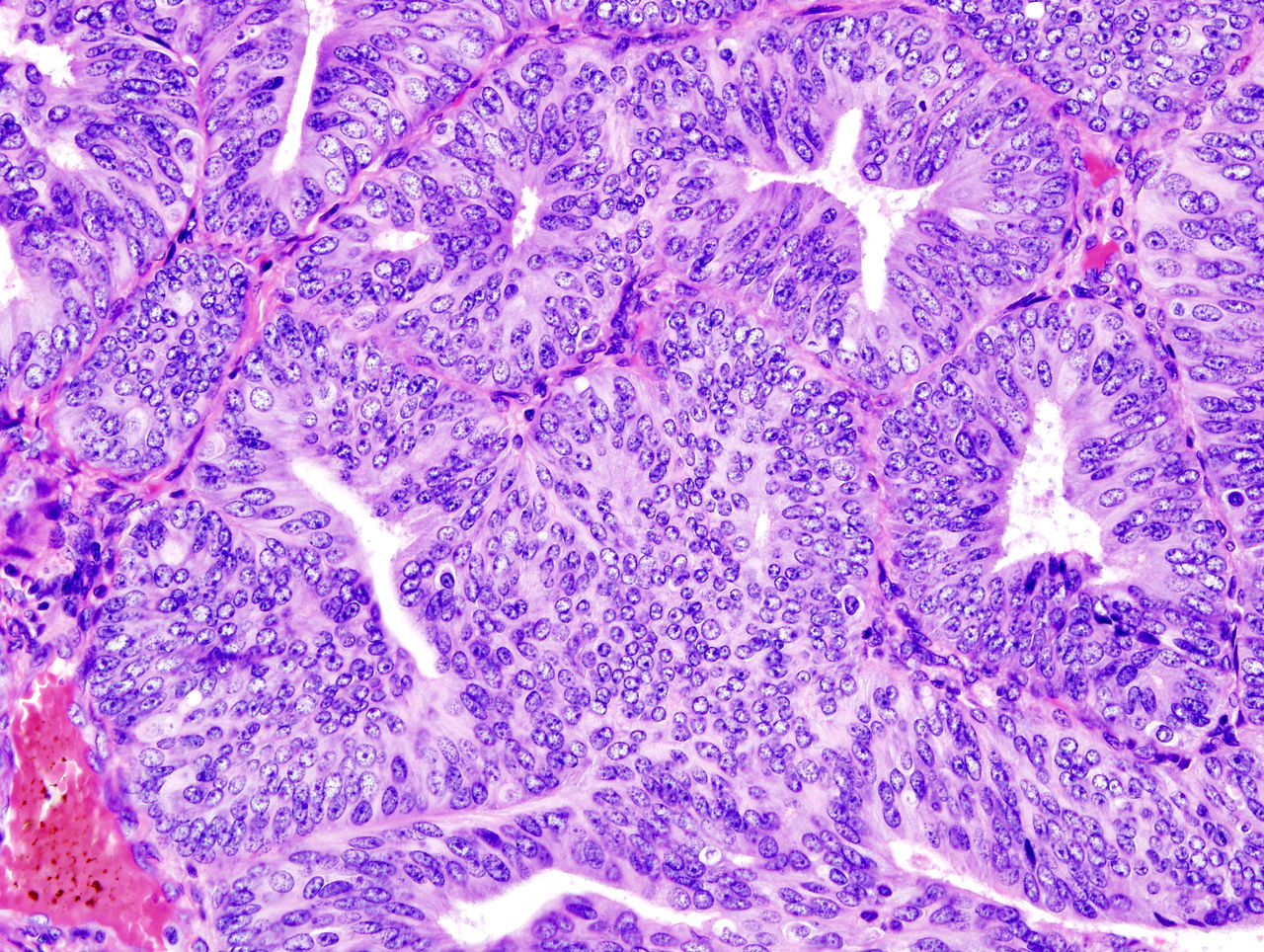




Structure and layers
Microscopically the endometrium is commonly described as having two main layers: the functional layer (functionalis), which thickens and is shed during menstruation, and the basal layer (basalis), which remains and regenerates the functional layer after each cycle. Beneath these epithelial and stromal layers lie the endometrial glands and a rich vascular network.
Role in the menstrual cycle
Hormonal fluctuations drive predictable endometrial changes. In broad terms these phases are:
- Proliferative phase – rebuilds the functional layer under estrogen influence.
- Secretory phase – the endometrium becomes glandular and receptive under progesterone, preparing for possible embryo implantation.
- Menstrual phase – if implantation does not occur, the functional layer is shed as menstrual flow.
Functions and importance
The endometrium provides the site for embryo attachment and early nourishment before the placenta forms. It also acts as a selective barrier and immunologically active tissue that helps regulate implantation. Its cyclical renewal supports regular fertility but can also produce bleeding.
Clinical relevance and distinctions
Abnormalities of the endometrium can affect health and reproduction. Common issues include endometrial hyperplasia, endometritis, endometriosis (presence of tissue like endometrium outside the uterus), and endometrial carcinoma. Evaluation often uses imaging, sampling or direct inspection, and treatments range from hormonal therapy to surgical intervention. For general reference about the organ and related conditions see endometrial information.
Embryologically, the endometrium develops from the paramesonephric (Müllerian) ducts, the same precursors that form much of the female reproductive tract. Understanding its normal cyclic changes and common pathologies is central to reproductive medicine and gynecologic care.
Related articles
Author
AlegsaOnline.com Endometrium: structure, function, and clinical importance Leandro Alegsa
URL: https://en.alegsaonline.com/art/31389
Sources
- girlshealth.gov : "How the female reproductive system works | girlshealth.gov"
- emedicine.medscape.com : "Uterus Anatomy: Overview, Gross Anatomy, Natural Variants"