
Embroidery: Techniques, Materials, History, and Modern Practice
Overview of embroidery as a decorative needlework craft: materials, common techniques, historical and cultural importance, uses from garments to art, and distinctions between hand and machine work.
Overview
Embroidery is the decorative craft of embellishing textiles and other surfaces by stitching patterns with thread or yarn. Traditional practice centers on hand needlework, applied to fabric such as linen, cotton or silk, and to unconventional bases like leather or paper. The basic elements are strands of thread or yarn pulled through a support using a needle. Work may also integrate non-fiber materials—metal strips, beads, sequins, quills, and pearls—to add texture and reflectivity, or be executed mechanically using a sewing machine adapted for decorative stitching.
Image gallery
10 Images




Materials and tools
Choice of support and thread strongly affects technique and appearance. Common supports include woven and knitted fabrics; simple garments and household linens are frequent canvases. Threads range from fine silk and cotton to heavier wool and metallic threads. Hoops, frames and specialised needles help maintain tension and precision. Small components such as metal threads, pearls and beads are used for detail, while quills and sequins create surface highlights.
Techniques and styles
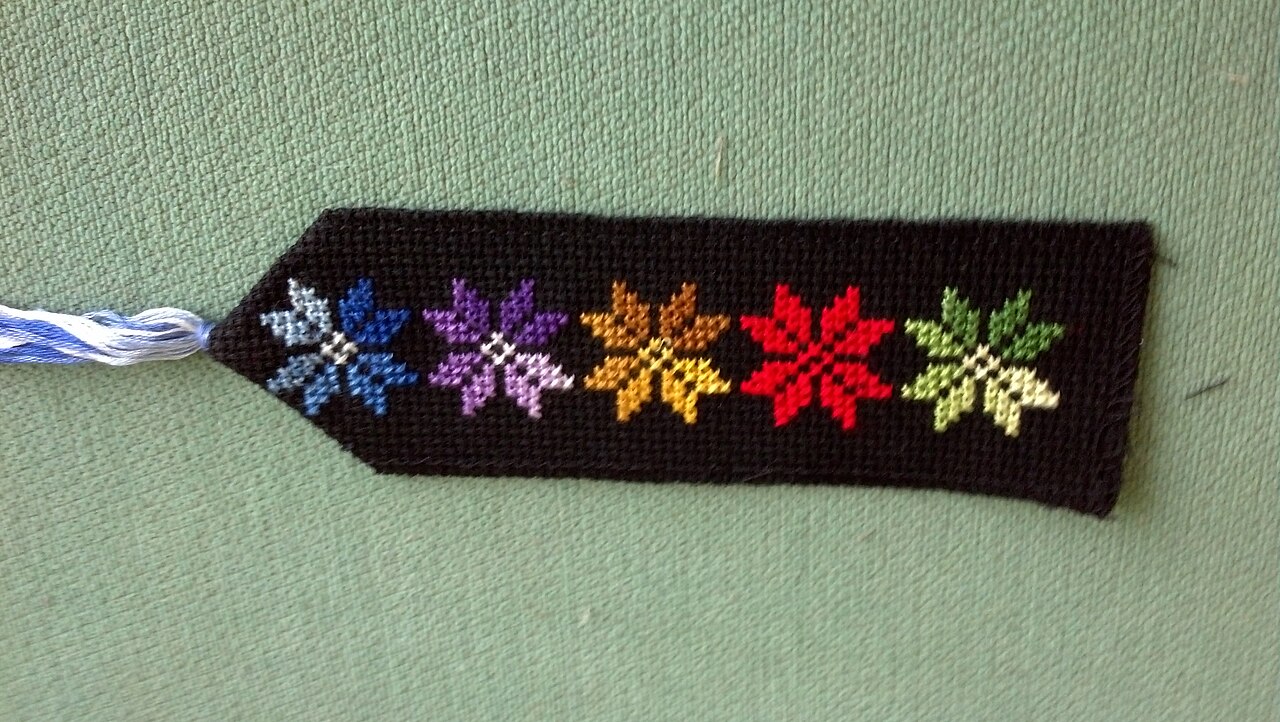
Embroidery encompasses numerous approaches, often grouped by method or effect. Surface embroidery builds motifs on top of the ground; counted-thread techniques rely on fabric structure to form geometric patterns; and pulled-thread or whitework use tension to sculpt light and shadow. Other well-known styles include crewel (coarse wool on linen), goldwork (metal thread), stumpwork (raised, sculptural elements), and cross-stitch for repeating designs.
History and cultural role
Needle ornamentation has deep roots worldwide, practiced independently across regions and eras for functional, ceremonial and aesthetic reasons. Embroidered textiles have signified status, marked rites of passage, served as trade goods, and carried symbolic motifs. While techniques and decorative conventions differ between cultures, the combination of portable materials, durability and visual impact made embroidery a persistent form of personal and communal expression.
Uses and contemporary relevance
Today embroidery appears in a wide range of applications: traditional costume and ecclesiastical vestments, household textiles, fashion detailing, corporate branding, and fine art. Machine embroidery enables reproducible motifs for commercial production, while handwork remains valued for its individuality and craft skill. Restoration specialists and conservators study historic pieces to preserve techniques and materials.
Distinctions and practical considerations
Key distinctions are between hand and machine methods, counted versus free-form systems, and flat versus dimensional work. Beginners often start with basic stitches and small projects; experienced practitioners explore complex surfaces and mixed materials. For further reading on techniques, materials and patterns, introductory resources and practical guides can be consulted through general craft references and specialised collections on fabric choice and on alternative supports.
Embroidery remains both a living craft and a field of study, bridging traditional skills and contemporary design while continuing to evolve with new tools, materials and creative approaches.
Related topics and resources: needlework overview, thread types, needle selection, metal threads, pearl embellishment, beadwork, quill and sequin use, machine embroidery options.
Related articles
Author
AlegsaOnline.com Embroidery: Techniques, Materials, History, and Modern Practice Leandro Alegsa
URL: https://en.alegsaonline.com/art/31092
Sources
- cityandguilds.com : "Creative - City & Guilds"
- kathleenlaurelsage.co.uk : "A Little About Me"
- tudorrosepatchwork.co.uk : tudorrosepatchwork.co.uk