
Engraving: technique, history, and uses
Engraving is the practice of incising designs into hard surfaces for decoration, printmaking, or security; it includes hand and mechanical methods and remains used in art, industry, and craftsmanship.
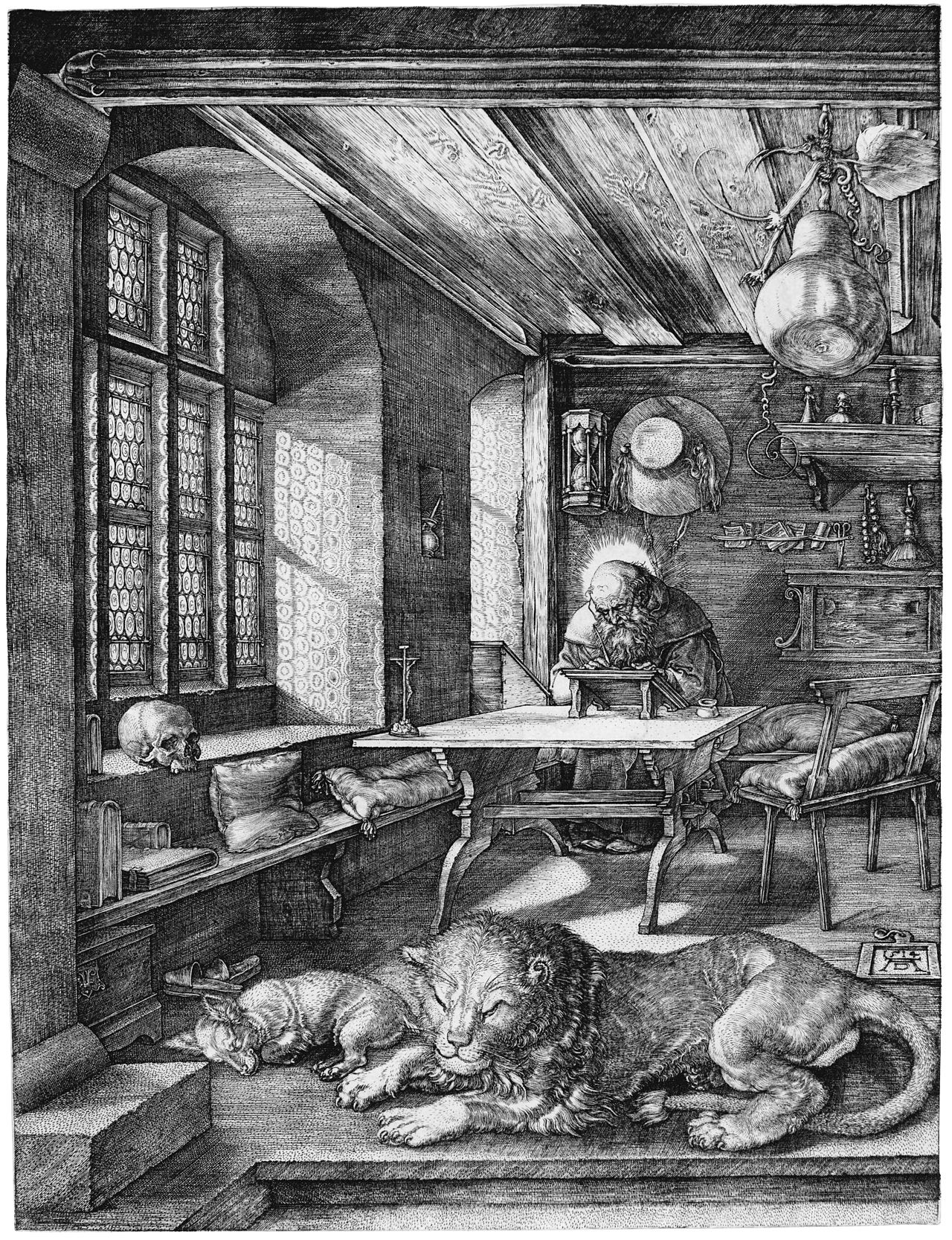
Engraving is the craft of cutting or incising lines into a hard, usually flat surface to form an image or pattern. The cut areas may stand on their own as decorative work on metal, glass or other materials, or they may serve as an intaglio printing plate whose inked lines produce printed images on paper. The essence of engraving is physical removal of material with a sharp tool or a focused energy source, producing crisp lines and controlled tonal effects that are distinct from processes that rely on acid or mechanical impressions.
Image gallery
10 Images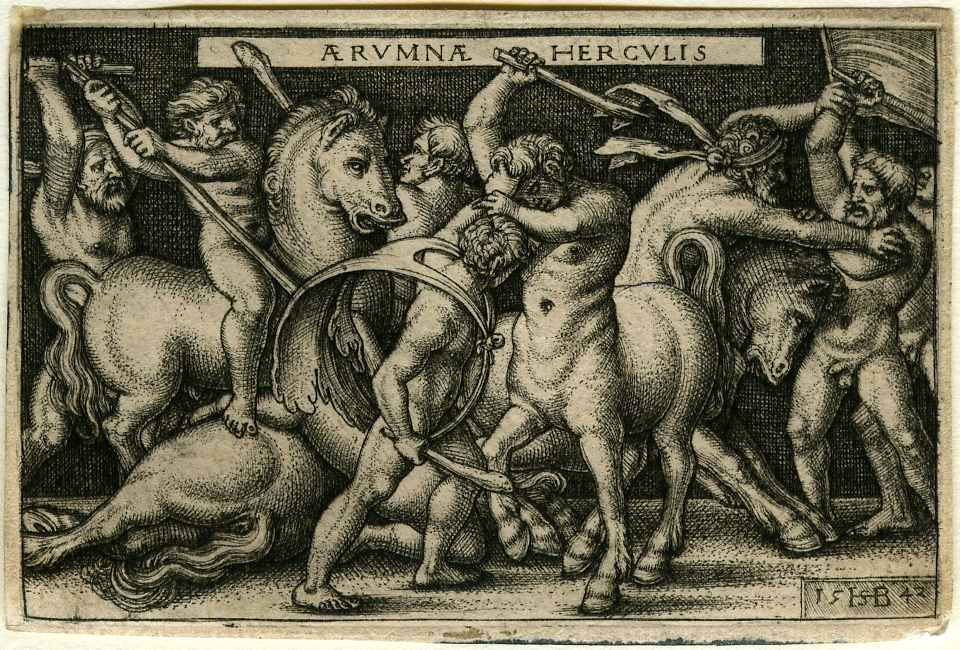





Tools, techniques and materials
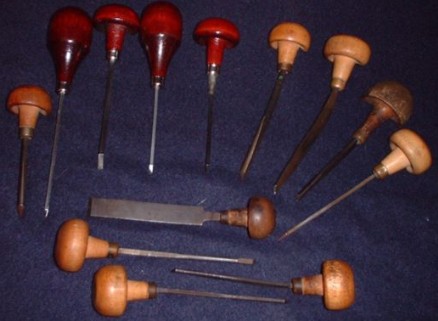
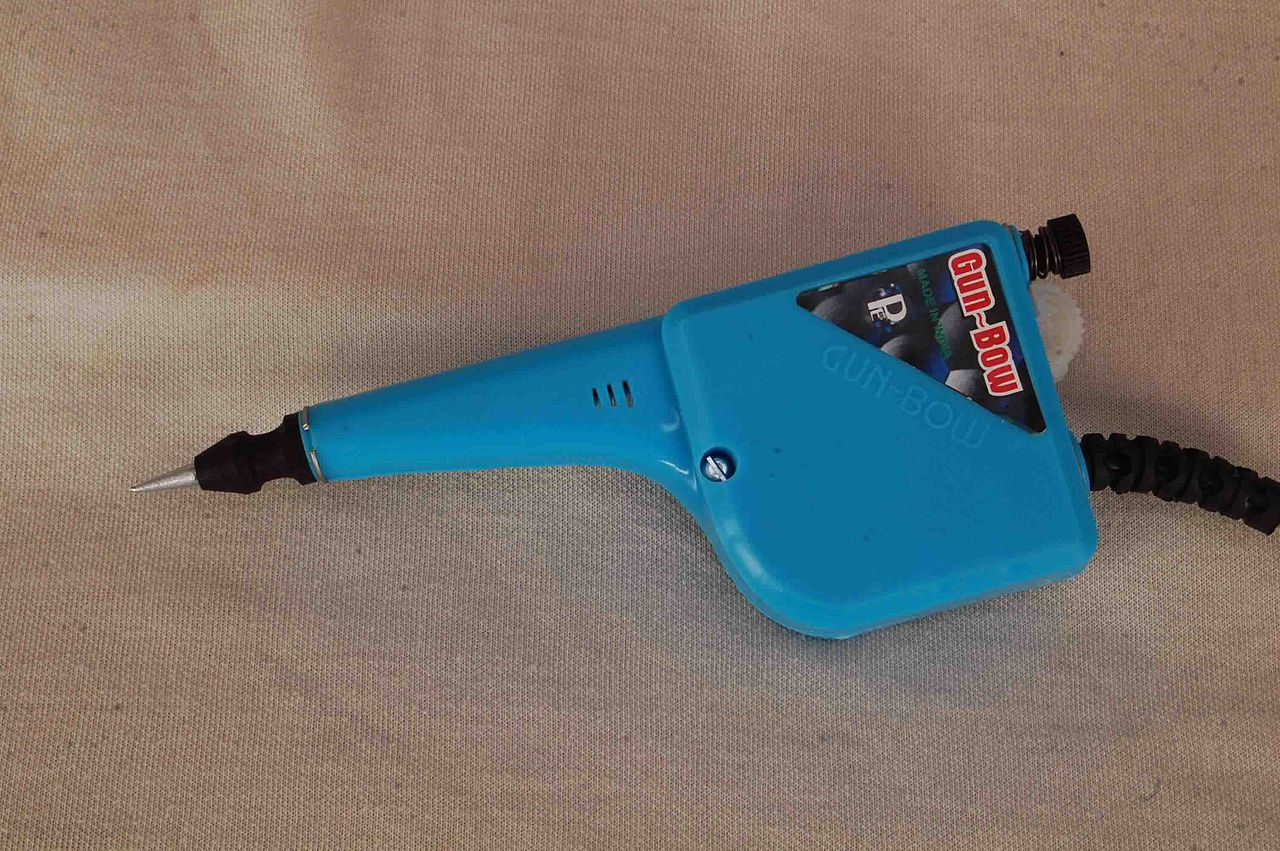
Traditional hand engraving uses a burin or graver — a hardened steel tool with a shaped cutting tip — pushed or hammered to remove metal and form grooves. Metals such as silver, gold and steel are commonly engraved for decorative objects and functional goods. For printmaking, softer copper plates such as copper were favored because they accepted fine detail and ink readily. Modern practice also includes machine-assisted engraving and non‑contact methods like laser engraving, which use controlled beams to ablate or mark surfaces with high precision.
Types and variations
- Intaglio engraving — lines cut into a plate hold ink and are transferred by pressure to paper; often associated with printmaking and banknote production.
- Relief and surface engraving — designs stand in relief or are shallowly incised on decorative objects such as jewelry, cutlery and firearms.
- Mechanical and laser engraving — used in industrial marking, signage, and personalized goods where speed, repeatability and fine control are required.
The technical choices — type of tool, depth of cut, angle of the burin, and plate material — determine the character of the line, the range of tones achievable, and the longevity of the engraved object or printing plate.
History and development
Engraving has ancient roots as artisans incised designs into metal, stone and bone. In Europe the technique became central to reproductive printmaking from the late medieval and Renaissance periods onward: engravers produced images and illustrations that could be multiplied from a single plate. Over centuries the craft evolved alongside related intaglio processes. Where engraving relies on directly carved lines, methods such as etching employ acid to bite lines that are drawn through a resist — a distinction that shaped artistic choices and workshop practices.
Uses, examples and significance
Historically engraving was essential for book and image reproduction and for ornamenting metalwork. In later centuries many commercial printing tasks shifted to photographic and mechanical methods, diminishing engraving's dominance in mass reproduction — a trend associated with the rise of photography and photoengraving. Nonetheless, engraving remains important for specialized uses: intaglio printing for high-security items (banknotes, passports), fine art prints, bespoke metalwork, and precision industrial marking. Collectors prize early engraved plates and prints for their detail and the evidence they provide of an engraver's technique.
Distinctions and notable facts
A useful comparison is engraving versus etching: engraving removes material directly with a tool; etching uses acid to eat into exposed metal after a drawn resist is applied. Both are part of the broader intaglio family but yield different line qualities and working speeds. Another notable point is that despite being partly superseded in mass production, engraving has adapted through mechanization and lasers and continues as a skilled craft and a niche industrial process. Conservation of historic engraved objects and plates requires specialist care because the lines and surfaces record both artistic intent and manufacturing history.
Engraving combines manual skill, material knowledge and design control. Whether executed by hand with a burin, by a pantograph machine, or by a laser system, the process remains a vital intersection of art, craftsmanship and applied technology.
Questions and answers
Q: What is engraving?
A: Engraving is the process of carving a design onto a hard, flat surface.
Q: What are some examples of materials that can be engraved?
A: Materials that can be engraved include silver, gold, steel, copper, and other metals.
Q: What are engravings used for?
A: Engravings can be used for decorative purposes or to create printing plates for images on paper.
Q: Was engraving an important method for making images in the past?
A: Yes, engraving was an important method for making images on paper in the past.
Q: Why has engraving been replaced by photography in commercial uses?
A: Engraving has been replaced by photography in commercial uses because photography is faster, more cost-effective, and can produce higher quality images.
Q: What printmaking techniques have replaced engraving?
A: Etching and other techniques have almost completely replaced engraving in printmaking.
Q: Is engraving still common today?
A: No, engraving is much less common today than it was in the past.
Related articles
Author
AlegsaOnline.com Engraving: technique, history, and uses Leandro Alegsa
URL: https://en.alegsaonline.com/art/31500