
Pearl: Formation, Types, Grading, and Cultural Significance
An encyclopedic overview of pearls: how they form in mollusks, main types (natural and cultured), shapes and colors, grading criteria, history, cultivation, and common uses in jewelry and culture.
Overview
Pearls are hard, shiny objects produced within the soft tissues of certain mollusks, most commonly oysters and freshwater mussels. They have been prized as gem materials and symbols of wealth, purity, and status across many cultures. Pearls vary widely in color, shape and size, and are used primarily in jewelry but also appear in decorative arts and traditional remedies.
Image gallery
10 Images




How pearls form
Pearls form when a foreign particle or an irritant becomes trapped inside a mollusk. In response, the animal secretes successive layers of nacre — a composite of aragonite (a form of calcium carbonate) and organic proteins — around the irritant. Over time these concentric layers produce a lustrous object. Natural pearls develop without deliberate human intervention; most pearls on the market today are cultured, meaning the initial nucleus is placed into the mollusk by people to encourage pearl formation.
Types, shapes and colors
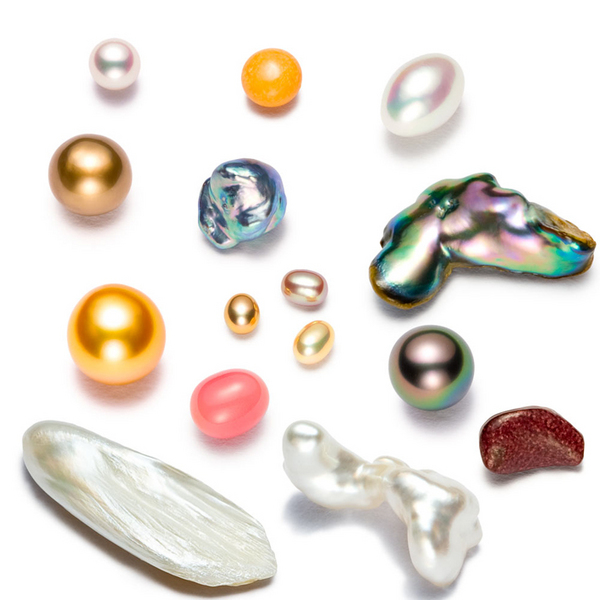
Pearls are classified by origin and form. Major categories include freshwater and saltwater pearls, with saltwater varieties often associated with marine oysters. Common shape descriptions include:
- Round — the most sought-after and often rarest;
- Semi-round — nearly spherical;
- Drop or teardrop — used frequently in pendants and earrings;
- Baroque — irregular, uniquely shaped specimens;
- Mabe and keshi — special forms produced under particular cultivation conditions.
Colors range from white and cream through pink and silver to golden and black (for example, pearls associated with some Pacific oysters). Surface overtone and orient — subtle secondary hues produced by light interacting with nacre layers — also affect appearance.
Grading and value
Value is determined by several interrelated factors: luster (brightness and reflectivity), surface quality (blemishes or spots), color and orient, shape and symmetry, size, and nacre thickness in cultured pearls. High luster and clean surfaces typically command higher prices. Because many attributes interact, two pearls of the same size can differ greatly in market value.
History, cultivation and uses
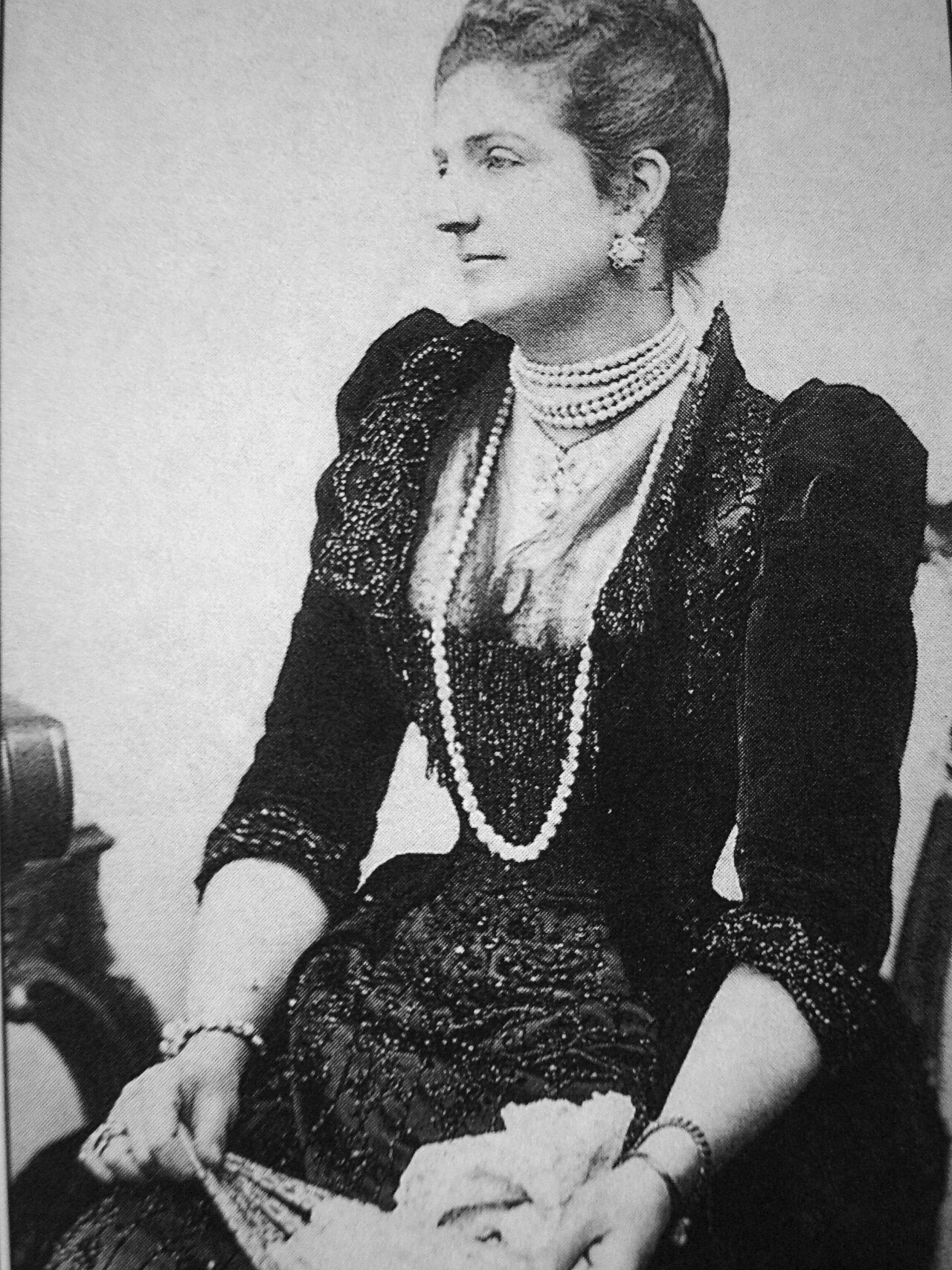
Pearls have been collected and worn for millennia, appearing in burial goods, royal regalia and religious objects. Modern pearl culture developed in the 20th century and transformed availability, allowing more consistent production and a wider range of colors and shapes. Today pearls are primarily used in necklaces, earrings, rings and brooches. Historically, powdered pearl has occasionally been used in cosmetics and traditional medicines. Pearls remain the traditional birthstone for June and a frequent wedding gift.
Further notes
When learning more, it can help to examine specimens or consult specialized sources about mollusk species, regional cultivation methods and gemological testing. For basic information about the mollusks that produce pearls, see resources on oysters and mussels.
Author
AlegsaOnline.com Pearl: Formation, Types, Grading, and Cultural Significance Leandro Alegsa
URL: https://en.alegsaonline.com/art/75362
Sources
- commons.wikimedia.org : Pearls