
Entertainment: forms, history, and social functions
Overview of entertainment as activities and media that engage attention, including types, history, uses, and distinctions between live, recorded, and interactive forms.
Overview
Entertainment refers to activities, performances and media designed to capture attention and provide enjoyment, distraction, or emotional experience. It ranges from quiet solitary pastimes to large public spectacles. Some forms aim to amuse, such as comedy, while others deliberately provoke fear or tension, such as horror films. Recreational pursuits like sports and games are widely recognized categories that combine challenge, skill and social interaction.
Image gallery
2 Images
Typical characteristics
Most entertainment shares several features: it attracts and holds attention, elicits emotion, and is presented in a form that can be repeated or shared. It can be:
- Live (theatre, concerts, sporting events),
- Recorded or broadcast (films, television, streaming),
- Interactive (video games, participatory events).
Historical development
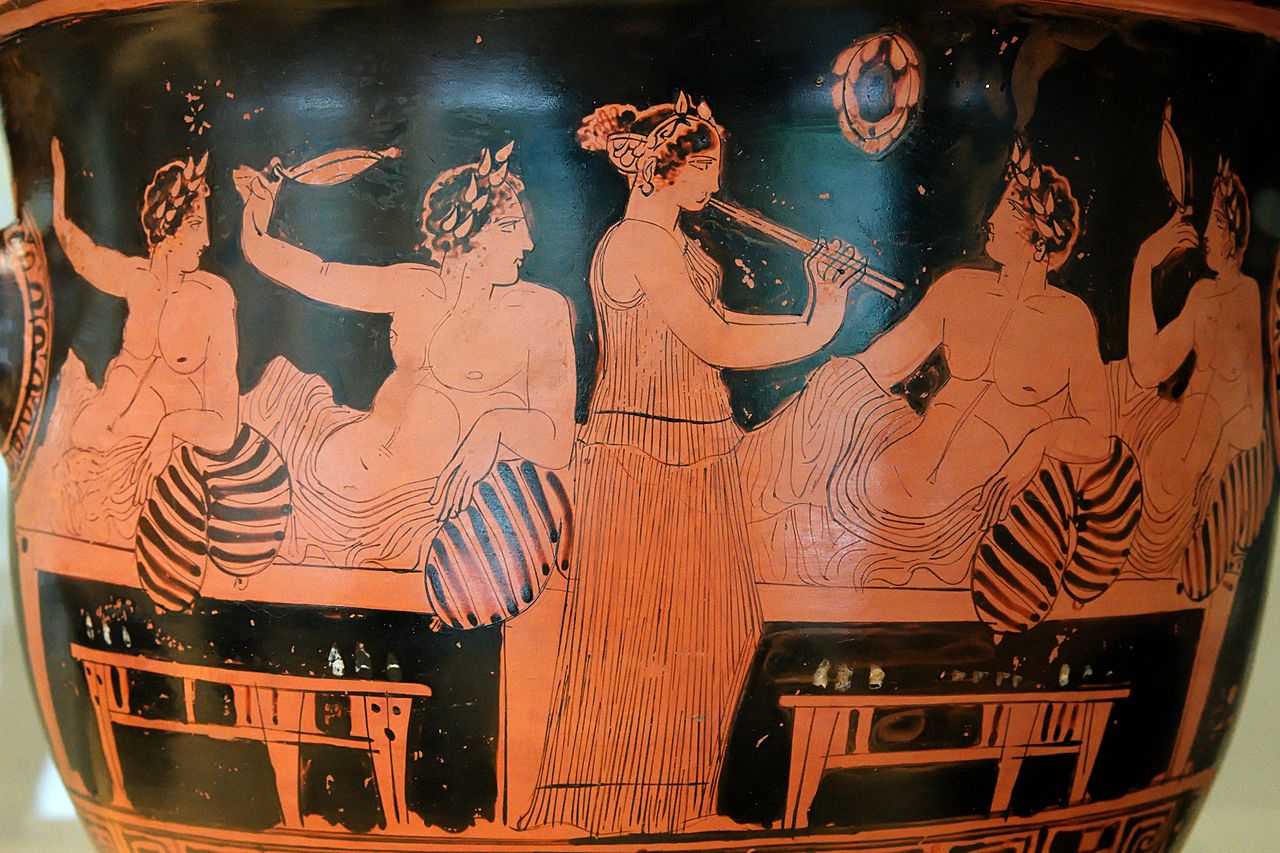
Entertainment has deep roots in human societies. Storytelling, music, dance and ritual were early forms used for communal bonding and teaching. Over time these evolved into organized forms: classical drama and public spectacles in antiquity, then printed plays, periodical publications, radio and cinema in the modern era. The late 20th and early 21st centuries saw rapid change with television, digital distribution and interactive media shaping how audiences access content.
Functions and importance
Entertainment serves multiple social and individual purposes: diversion and relaxation, cultural transmission, education, and collective identity. It often helps people manage stress and mood; simple amusement can provide relief from daily pressures and contribute to well-being. The entertainment sector is also an economic industry that supports creators, venues and technological platforms.
Forms and examples
Examples span a broad spectrum: live theatre and music, films and television series, competitive sports and spectator events, board and digital games, comedy and dramatic works. Many people value entertainment both for pleasure and for its ability to provoke thought or emotional catharsis. Even activities intended primarily for fun can have artistic or social significance.
Distinctions and trends
Important distinctions include the differences between passive and interactive experiences and between local live events and globally distributed content. Contemporary trends emphasize personalization, on-demand access and cross-media storytelling. Entertainment can also intersect with education and therapy—using play and narrative for learning or healing—and continues to evolve as new technologies and cultural practices emerge. For more on types and resources, see stress relief and recreation and general discussions of pleasure and leisure.
Related articles
Author
AlegsaOnline.com Entertainment: forms, history, and social functions Leandro Alegsa
URL: https://en.alegsaonline.com/art/31603