
Textiles: Fiber Types, Fabric Construction, Uses and Finishing Processes
Comprehensive overview of textiles: fiber types (natural, synthetic, blends), fabric construction (weaving, knitting, nonwovens), common uses and finishing treatments that shape appearance, performance and care.
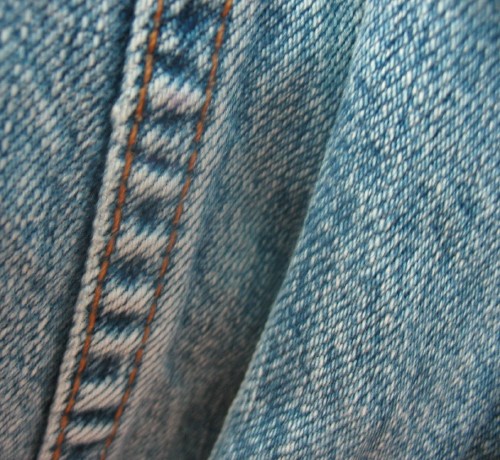
Textile, also called cloth or fabric, is a type of manufactured material made from strands of fibre assembled into a flexible sheet. Fibres are commonly spun into yarn and then joined to make fabrics by methods such as weaving or knitting, and by other techniques like non-woven bonding and felting. The structure and method used determine a fabric's appearance, strength, stretch and breathability. Fibres themselves vary widely in origin and properties.
Image gallery
10 Images




Common uses
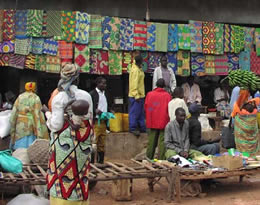
Textiles serve many everyday and industrial purposes. They are a primary component of clothing, providing protection and comfort, and are widely used to cover and upholster furniture. Beyond garments and furnishings, fabrics are employed in technical applications such as filters, ropes, medical supplies and composites.
Types of fibres
Fibres used to make textiles fall into two broad categories: natural and man-made. Each has distinct characteristics that influence how the final fabric performs.
- Natural fibres: Derived from plants or animals. Common examples are cotton (a plant fibre valued for softness and absorbency), wool (an animal fibre noted for warmth and resilience), and silk (a protein fibre known for luster and drape).
- Man-made fibres: Produced by chemical processes. These include synthetic polymers such as nylon and polyester, which are prized for strength and ease of care, and regenerated cellulose fibres like rayon, which aim to combine natural-feeling properties with manufactured consistency.
Blends and finishing
Textiles are often blended—mixing different fibres—to combine desirable traits, for example cotton with polyester to improve wrinkle resistance. After fabrication, fabrics commonly undergo finishing processes (dyeing, coating, mechanical treatments) to add color, texture or special performance features such as water repellence or flame resistance.
Questions and answers
Q: What are the different names for manufactured material?
A: Cloth, textile, and fabric are all similar names for manufactured material.
Q: How is cloth usually made?
A: Cloth is usually made by weaving or knitting fibres together.
Q: What is cloth typically used for?
A: Cloth is often used to make clothing or cover furniture.
Q: Are there natural and man-made fibres used to make cloth?
A: Yes, cloth can be made from both natural and man-made fibres.
Q: What are some examples of natural fibres used to make cloth?
A: Examples of natural fibres that can be used to make cloth include cotton, wool, and silk.
Q: What are some examples of man-made fibres used to make cloth?
A: Examples of man-made fibres that can be used to make cloth include nylon, rayon, and polyester.
Related articles
Author
AlegsaOnline.com Textiles: Fiber Types, Fabric Construction, Uses and Finishing Processes Leandro Alegsa
URL: https://en.alegsaonline.com/art/97319