
English country dance
A communal English folk dance tradition from the Renaissance, performed in longways sets with progressive figures. Influential on contra and square dance; revived in the 20th century and still practiced today.
Overview
The English country dance is a social, participatory form of folk dance that developed in England and spread to other parts of the world. Danced by groups rather than by solo performers, it typically uses longways sets—lines of couples facing each other—and emphasizes repeated figures that allow couples to progress up and down the set. It served both as entertainment and as a structured way of bringing people together for social occasions.
Image gallery
6 Images


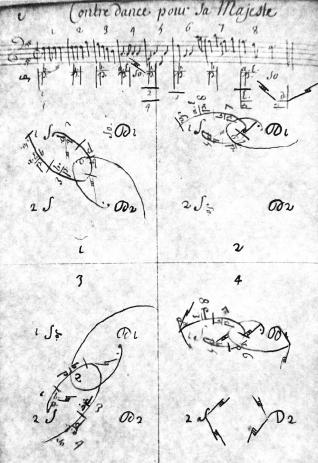
Characteristics and common figures
Typical elements include longways formations, progressions so couples change place during the dance, and a repertoire of figures: the hey or figure of eight, reels, casting, setting and various turns and circles. Figures may be performed clockwise or counter-clockwise, crossed over or doubled back. Tempo and style vary from stately walking steps in historical reconstructions to brisk, skipping steps in modern social settings. Musicians often perform on fiddles, recorders, concertinas or other portable instruments.
History and development
Roots of the dance go back to the late medieval and early modern periods, reaching prominence during the English Renaissance. Collections such as The English Dancing Master (first published in 1651) recorded many dances and tunes and helped transmit the tradition. The form spread from England across Europe and into the American colonies, where it continued to be practiced through the 18th and 19th centuries and influenced emerging local traditions.
Revival and modern practice
A revival in the late 19th and early 20th centuries, led by collectors and folk enthusiasts interested in historical customs, renewed interest in English country dance. Today callers and teachers introduce figures and lead dances at community halls, festivals and historical events. Modern practice ranges from careful period reconstruction to creative new dances written in the old style.
Music, influence and cultural role
Music for these dances is usually modal or diatonic tunes in simple meters that support repeated figures; tunes may be drawn from traditional repertoires or newly composed. English country dance had a clear influence on North American traditions such as contra and square dance. It continues to function as a medium for social interaction, courtship and communal musicianship, and it is taught in folk clubs, continuing education programs and living-history projects.
Sources and learning resources
Historical sources, modern collections and dance organizations provide instructions and context. For introductions to the style and to find local groups consult published collections, community folk organizations and online directories maintained by enthusiasts and scholars. For context on origins see materials about the Renaissance social context, regional accounts of the United States adoption of practices, and resources on dance in the North America. Additional archival materials discuss early practice in the American colonies and transmission across Europe.
- Formations: longways sets, duple minor sets, circles and square variations.
- Figures: heys, reels, crosses, casts and promenades.
- Modern settings: social evenings, historical reconstruction, workshops.
Those interested in learning can seek local dance groups, recorded tune collections and introductory workshops that teach both the figures and the music that support this enduring communal tradition.
Related articles
Author
AlegsaOnline.com English country dance Leandro Alegsa
URL: https://en.alegsaonline.com/art/31470