
Sewing machine: history, parts, types, and uses
Overview of sewing machines: what they are, main components, historical development, household and industrial types, common stitches and applications, and notable distinctions.
Overview
A sewing machine is a mechanical or electromechanical device used to join fabric, leather, or other flexible materials using thread. Machines accelerate stitching compared with hand sewing and can produce a wide range of stitch patterns for assembling garments, furnishing textiles, repairs and decorative work. Basic machines perform straight or zigzag stitches, while advanced models add programmable embroidery, buttonholing and automatic finishing operations. For information about thread and materials, see thread and supplies.
Image gallery
10 Images


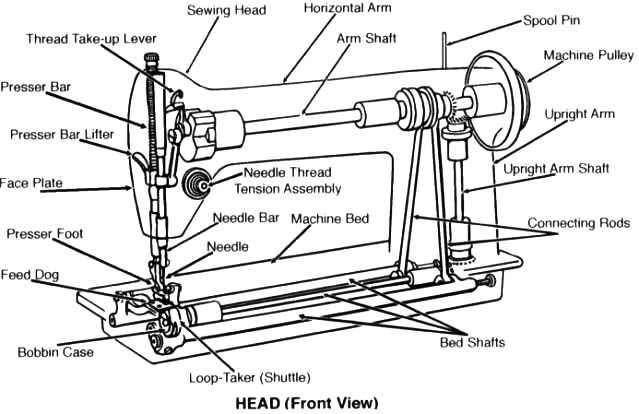


Principal parts and how they work
Though models vary, most sewing machines share several key elements that cooperate to form stitches. Understanding these parts helps users select the right machine and perform routine maintenance.
- Needle and presser foot: The needle pierces the fabric while the presser foot holds the layers steady.
- Feed mechanism: Teeth or rollers move fabric through the working area in measured steps.
- Bobbin and shuttle: These supply and manage the lower thread for common lockstitch systems.
- Tension controls and stitch selector: Adjust thread tightness and choose stitch type or length.
- Motor and drive (on powered machines): Provide motion to the needle and feed; pedals or buttons control speed.
Different stitch systems—lockstitch, chain stitch, coverstitch and overlock—produce distinct results. Home machines typically use a lockstitch formed by a top thread and a bobbin thread; specialized machines like sergers produce overlock seams for neat edge finishes.
Historical development
Interest in mechanizing sewing grew during the late 18th and 19th centuries as industrialization raised demand for faster garment production. Early inventors experimented with mechanical stitchers; one of the earliest working designs is often credited to Thomas Saint around 1790. Later 19th-century innovators refined stitch mechanisms and secured patents, and manufacturers brought mass-produced machines into homes and factories. For more on the invention and industrial history, see invention milestones.
Types, uses and examples
Sewing machines are commonly grouped into domestic and industrial categories. Domestic machines prioritize versatility and safety for hobbyists and household sewing, while industrial machines are purpose-built for high-speed, continuous operation in manufacturing.
- Domestic machines: Offer multiple stitches, decorative embroidery, and user-friendly features for garment making and mending.
- Embroidery machines: Automate ornamental stitching and often accept digital patterns; learn more about decorative capabilities at embroidery resources.
- Industrial machines: Include straight-stitch, overlock, buttonhole, and heavy-duty leather or upholstery models used in production lines and tailoring workshops.
Common practical uses include clothing construction, alterations, quilting, upholstery repair, and specialised textile manufacturing. The clothing and textile sectors have been shaped by sewing machine technology; see industry overview for economic context.
Notable distinctions and practical advice
When choosing a machine, consider frequency of use, materials to be sewn, stitch options and serviceability. Lightweight domestic units are suitable for cotton and light synthetics, while thick fabrics and leather require heavy-duty or specialised needles and machines. Maintenance—cleaning lint, oiling where recommended, and replacing needles—keeps machines reliable. For a comparison with hand sewing and care tips, consult hand sewing tools and care.
In summary, the sewing machine remains a foundational tool in textile work, combining mechanical precision with creative potential. From home sewing projects to industrial garment production, its varieties and capabilities continue to evolve with electronic controls and computerized patterning.
Related articles
Author
AlegsaOnline.com Sewing machine: history, parts, types, and uses Leandro Alegsa
URL: https://en.alegsaonline.com/art/89252
Sources
- commons.wikimedia.org : Sewing machine