
Bead: materials, history, techniques, and cultural significance
A bead is a small object with a hole for stringing, made from many materials and used for decoration, trade, ritual, and art across cultures from prehistory to today.
A bead is a small, usually perforated object designed to be strung, sewn, or attached to other items for decoration, personal adornment, practical use, or symbolic purposes. Beads range from simple, hand-formed clay spheres to intricately cut gemstones and precision-made glass components. Because they combine durability with portability and visible detail, beads are among the oldest and most widespread manufactured objects in human history.
Image gallery
10 Images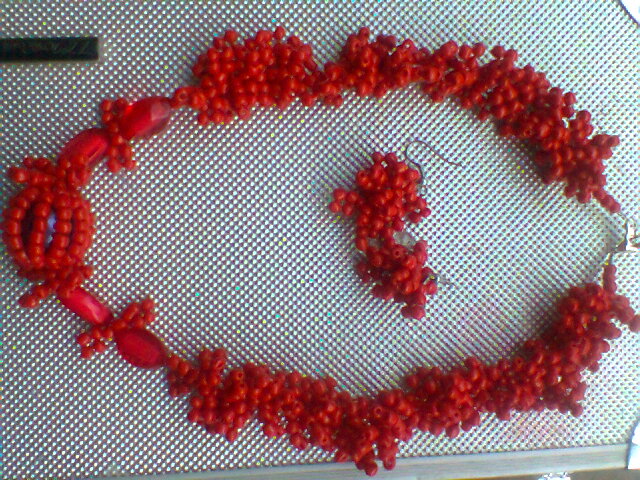



Materials and common types
Beads are made from an extensive variety of materials, each lending distinct appearance and handling characteristics. Common categories include:
- Natural materials: stone (including semi-precious gemstones), shell, bone, ivory, wood, and amber. These were widely used in prehistoric and historic beadwork.
- Ceramic and clay: shaped and fired beads that may be glazed, painted, or left matte. Faience (a glazed non-clay ceramic) was especially important in ancient Egypt.
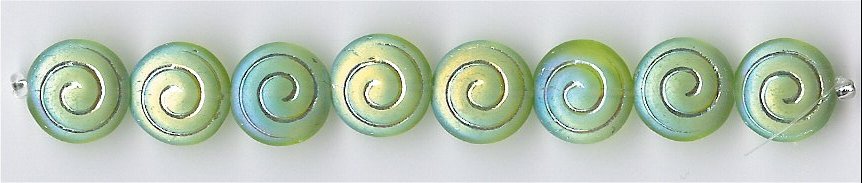
- Glass: one of the most versatile materials. Techniques such as wound lampwork, pressed glass, and mosaic/millefiori can produce an enormous range of shapes and colors.
- Metal: beads made of gold, silver, copper, bronze, or plated base metals, often used as focal elements in jewelry.
- Modern synthetics: plastic and acrylic beads provide low-cost, lightweight options available in countless finishes and sizes.
Specific bead styles—seed beads, bugle beads, millefiori canes, carved gemstone beads, and faceted crystal beads—serve different roles in design, from filling patterns to acting as focal accents.
History and archaeological record
Beads are among the earliest known personal ornaments. Archaeological finds of perforated shells and other beads date back tens of thousands of years, indicating early symbolic or social uses. In many ancient cultures beads were not only decorative but also markers of trade links and status: faience and carnelian beads occur in Egyptian burials, and amber and glass beads appear in long-distance exchange networks across Europe and the Near East.
From the Bronze Age into classical antiquity, beads circulated widely along maritime and overland routes; specialized beadmakers and traders helped create patterns of consumption that can be traced in the archaeological record. Because beads survive well in many burial contexts, they provide valuable evidence for chronology, fashion, and intercultural contact.
Manufacture and crafting techniques
Beadmaking techniques vary with material. Clay beads are shaped, pierced, and then fired and sometimes glazed or painted. Glass beads can be made by winding molten glass on a mandrel (lampwork), by drawing and cutting canes for millefiori patterns, or by pressing and annealing in molds. Gemstone beads require cutting and drilling, while metal beads may be formed by casting, stamping, or wirework.
Crafters use numerous assembly techniques to turn beads into finished objects: simple stringing on thread or wire; knotting between beads for durability and spacing; bead weaving (off-loom stitches such as peyote or brick stitch, and loom weaving) to make flat or sculptural textiles; and wirework that shapes beads into chains, clasps, and ornamented fittings.
Uses, symbolism, and contemporary practice
Across cultures, beads function as personal adornment, religious and ritual objects, currency or trade goods, and materials for art. In many societies particular bead colors, materials, or arrangements communicate social identity, marital status, wealth, or spiritual protection. Today, beads remain central to craft industries, fashion, and contemporary art: beadwork appears in haute couture, community crafts, and fine art installations alike.
Bead collectors and artisans participate in trade shows and local markets, publish patterns and tutorials, and exchange techniques internationally. Modern commercial beads include precision-cut crystal beads (often sold under brand names), Czech and Venetian glass beads, and mass-produced seed beads. For practical information on bead types and suppliers, see resources such as general bead guides, material-specific pages like wood bead references, and technical accounts of glass beadmaking at glass bead resources.
Notable distinctions and collecting
When choosing or studying beads it helps to distinguish hand-made from machine-made pieces, natural from synthetic materials, and cultural provenance. Antiquities require careful provenance documentation to avoid illicit trade concerns. Collectors and historians value beads for the information they preserve about technology, aesthetics, and exchange networks across time.
Whether used in simple crafts or complex ceremonial regalia, beads remain a compact, expressive, and globally resonant form of human manufacture and artistry.
Related articles
Author
AlegsaOnline.com Bead: materials, history, techniques, and cultural significance Leandro Alegsa
URL: https://en.alegsaonline.com/art/9795
Sources
- abc.net.au : Shell beads suggest new roots for culture
- pnas.org : 82,000-year-old shell beads from North Africa and implications for the origins of modern human behavior
- commons.wikimedia.org : Bead