
Ear: structure, function, adaptations, and roles in animals
Comprehensive overview of the ear: anatomy (outer, middle, inner), how hearing works, evolutionary adaptations across animals, and non-hearing functions such as thermoregulation and signalling.
The ear is the organ that detects sound and contributes to balance in many animals. In humans and other vertebrates it is part of the broader sensory apparatus, and it operates within the auditory system. While people rely on ears for speech, music and environmental awareness, many animals have evolved a range of ear forms and functions; humans are only one example among diverse mammalian and non-mammalian listeners (human hearing, general mammalian traits).
Image gallery
10 Images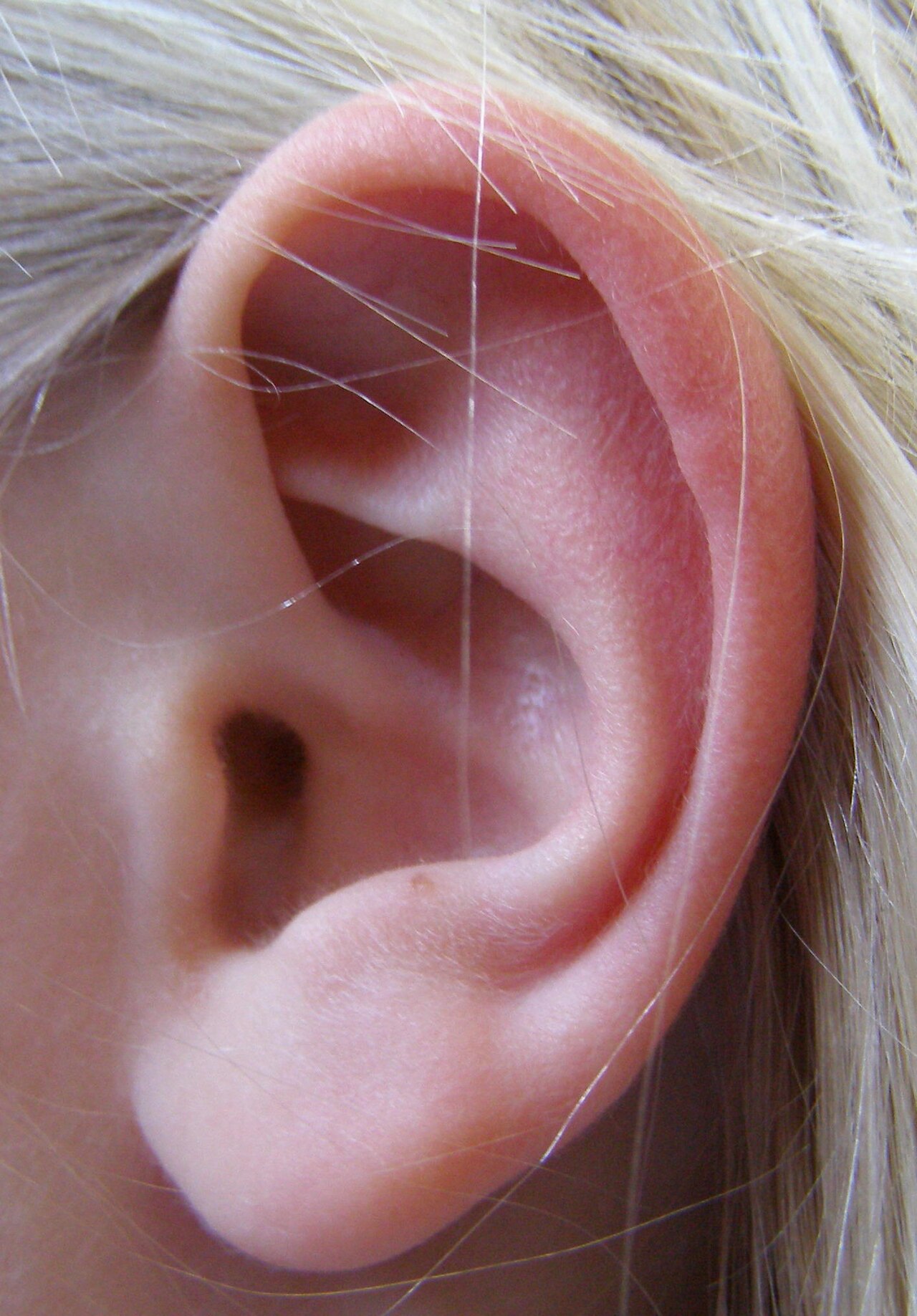
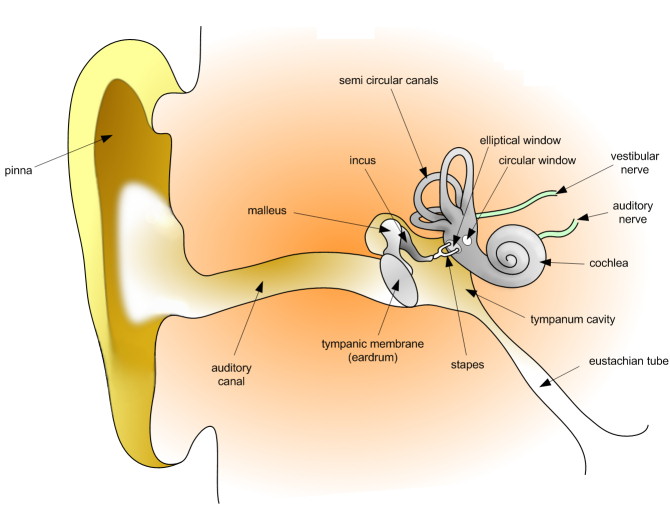


Anatomy and major parts
Typical vertebrate ears are divided into three main regions: the outer ear, the middle ear and the inner ear. The outer visible flap, the pinna, helps collect and funnel sound waves. In the middle ear, small structures transmit those waves inward: in mammals this includes three tiny bones called the ossicles. The inner ear contains the cochlea or equivalent sensory epithelium where mechanical vibrations become neural signals that travel along nerves to the brain (inner ear, auditory nerve).
How hearing works
Sound arrives at the ear as pressure fluctuations in air or water. The outer ear directs those pressure waves so that the eardrum and middle-ear structures can convert them into mechanical motion. These motions produce tiny vibrations in the fluids of the inner ear, where specialized hair cells transduce mechanical energy into electrical impulses. Those impulses are transmitted to central auditory pathways and interpreted as pitch, loudness and location.
Variation, adaptations and evolution
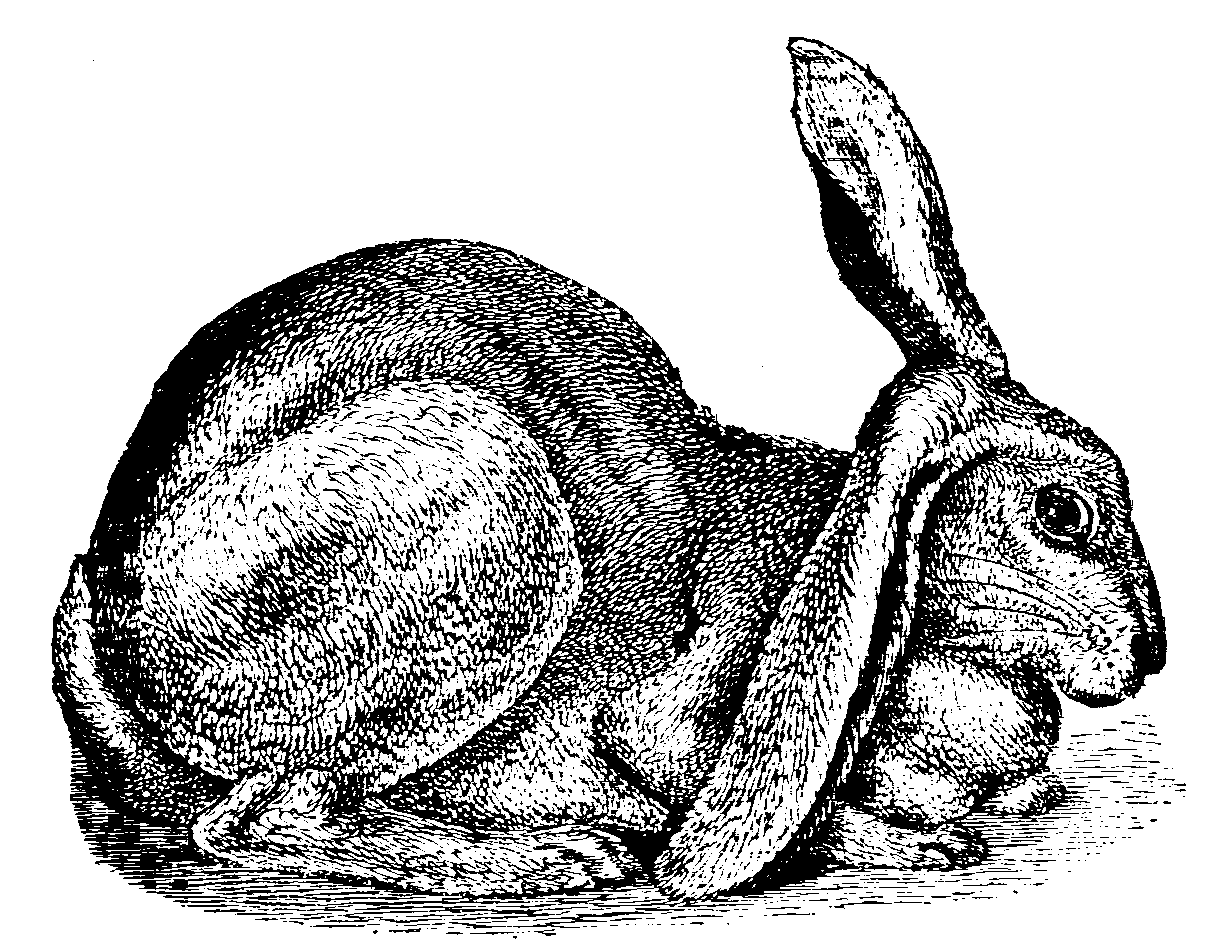
Ear structure varies widely across animal groups. Most mammals have an external pinna and three ossicles, adaptations that improve sensitivity and frequency discrimination. Other vertebrates retain an inner ear but may lack an external pinna or ossicular chain; amphibians and reptiles often have a simpler middle ear or only a tympanic membrane. Bats use finely tuned ears for echolocation and prey detection (bats), while elephants possess large floppy pinnae that aid in heat loss as well as low-frequency hearing (African elephants). Non-mammalian hearing systems still perform the same basic conversion of vibrations to nerve signals, but anatomical details differ between groups of vertebrates.
Other functions and ecological importance
Beyond audition, ears serve additional roles in behavior and physiology. In some species ear movements and positions are important visual signals used for communication. Bats and other animals exploit echo-based sensing, a form of active hearing called echolocation, to navigate and forage. Large surface areas of the pinna can function in thermoregulation as well as sound collection. The ear’s sensitivity and directional cues are crucial for predator avoidance, social interaction and habitat use.
Distinctive facts and human relevance
- Human ears provide both hearing and contributions to balance via vestibular organs in the inner ear; clinical disorders can affect hearing, balance and communication.
- Different taxa use different combinations of external openings, membranes and bones to achieve equivalent auditory outcomes (mammals, other vertebrates).
- Research into ear mechanics, hearing loss, and prosthetic devices links anatomy to applied medicine and technology (further reading).
For introductory resources on ear anatomy and auditory processing see specialized references and educational sites linked here: human hearing overview, inner ear function, neural transmission, and comparative pages about ossicles and animal adaptations (elephants, bats). Additional context about the auditory system and its ecological roles is available at resources indicated by these placeholders (mechanical vibrations, auditory system, echolocation examples, signalling via ears, vertebrate comparisons).
Related articles
Author
AlegsaOnline.com Ear: structure, function, adaptations, and roles in animals Leandro Alegsa
URL: https://en.alegsaonline.com/art/29522