
Earthenware: Definition, Properties, History and Uses
Earthenware is low-fired, porous pottery made from clay and usually glazed. This article covers its composition, firing, types (including terracotta), history, common uses and how it differs from other ceramics.
Overview
Earthenware is a category of ceramic made from clay and fired at relatively low temperatures so that the body remains porous and non‑vitreous. As a broad class of pottery, it includes familiar objects such as cooking pots, storage jars, tiles and decorative vessels. Because the fired body does not become glasslike on its own, earthenware items are often coated with a glaze to make them watertight and to provide surface decoration.
Image gallery
10 Images


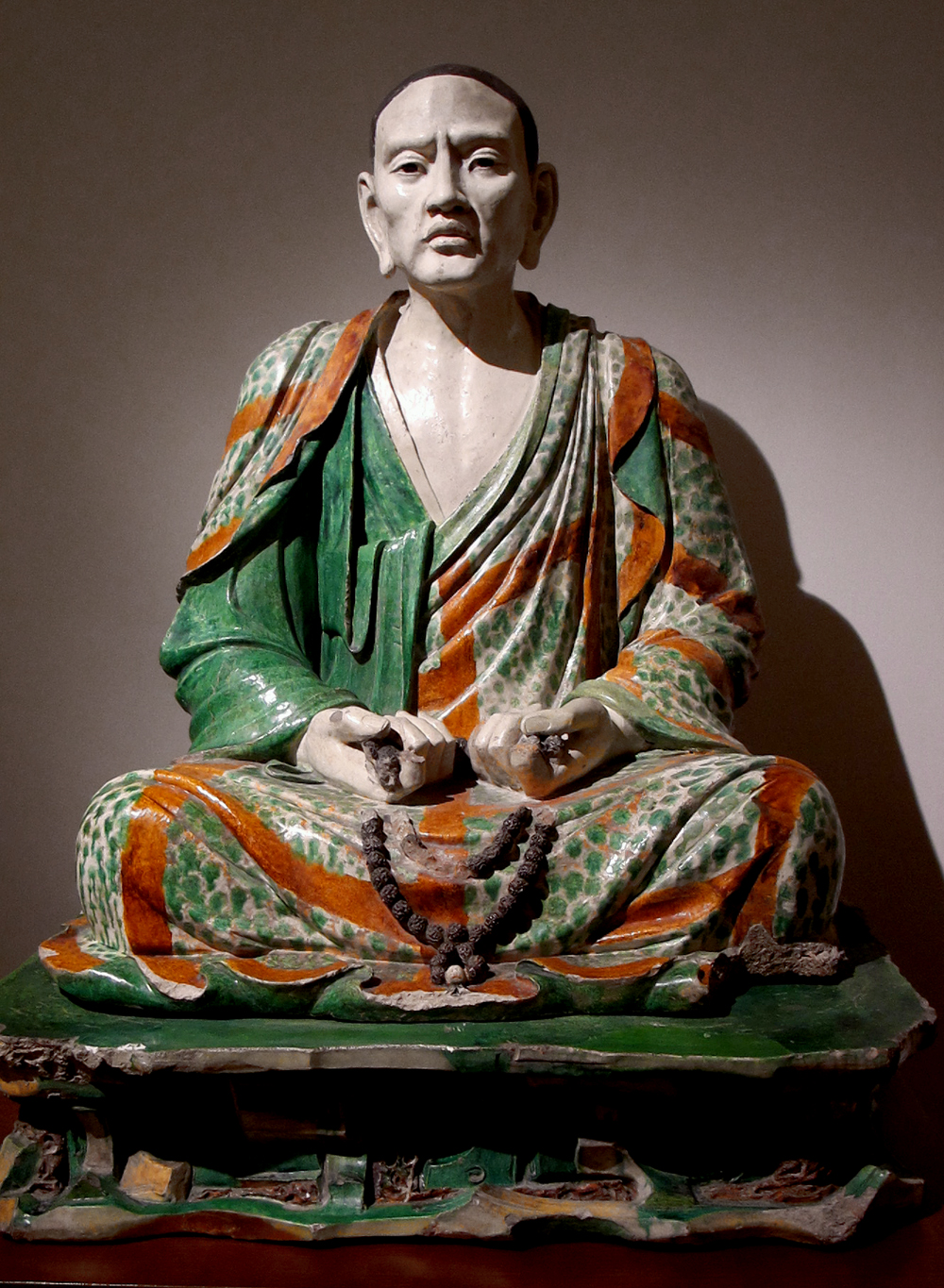


Characteristics and production
Earthenware is formed from clay that matures at lower temperatures than stoneware or true porcelain. Typical characteristics include an opaque body, a feel that may be slightly coarse or granular when broken, and the ability to be scratched with a knife more easily than harder ceramics. Production steps commonly include forming by hand, wheelthrowing or molding, drying, bisque firing, glazing and a glaze firing. The lower firing range makes earthenware more forgiving for many traditional workshops and hobbyists.
- Material: naturally occurring clay with variable mineral content.
- Appearance: usually opaque and colored by iron and other impurities.
- Working properties: often easier to shape on the potter's wheel than very stiff porcelains.
- Durability: softer and more chip‑prone than stoneware or porcelain.
Types and common examples
Within the earthenware family several named types exist. One well known variety is terracotta, an red- or orange-toned earthenware used for sculpture, roof tiles and plant pots. Tin‑glazed wares (such as historic maiolica and delftware) are also earthenwares that carry an opaque white glaze onto which painted decoration is applied. Earthenware items can range from thick, rustic vessels to very thin tableware that outwardly resembles finer ceramics but remains non‑translucent.
History and cultural role
Earthenware represents some of the oldest fired clay technology and was the dominant ceramic form in many regions for millennia. Outside East Asia, where high‑fired porcelains developed earlier, earthenware continued as the most common domestic ceramic type until the 18th century and remained important for vernacular architecture, folk crafts and daily utensils. Its wide geographic distribution and relatively simple production encouraged diverse regional styles and decorative techniques.
Uses, care and distinctions
Earthenware is widely used for functional and decorative objects: cookware, storage jars, tiles, lamps and garden ware. Because it is naturally porous, glaze application is important when items must hold liquids. Care recommendations include avoiding thermal shock (rapid temperature changes) and handling with care to prevent chips. When comparing ceramics, remember that earthenware differs from porcelain in translucency and hardness, from stoneware in vitrification and from other craft ceramics by its typical firing range and surface treatments. For further technical introductions see general resources on historic ceramic development and contemporary practice in studio pottery (glaze and body references).
Questions and answers
Q: What is earthenware?
A: Earthenware is a type of pottery that is porous and fired at a temperature that does not melt it into a glass-like vitreous form.
Q: What was the most common type of pottery outside of China until the 18th century?
A: Earthenware was the most common type of pottery outside of China until the 18th century.
Q: Is earthenware clay soft or hard when it is fired to make pottery?
A: Earthenware clay is soft when it is fired to make pottery and can be scratched with a knife.
Q: How does earthenware look when it is broken?
A: Earthenware looks grainy when it is broken.
Q: Does earthenware need to be glazed to be watertight?
A: Yes, earthenware must be glazed in order to be watertight due to its porosity.
Q: What is terracotta?
A: Terracotta is a type of earthenware.
Q: Is earthenware stronger or weaker than stoneware?
A: Earthenware is weaker than stoneware.
Related articles
Author
AlegsaOnline.com Earthenware: Definition, Properties, History and Uses Leandro Alegsa
URL: https://en.alegsaonline.com/art/29577
Sources
- britannica.com : "Earthenware"