
African elephant: overview, biology, behavior and conservation
Large African mammals of the genus Loxodonta: two species, distinctive anatomy, social systems and conservation challenges including poaching and habitat loss.
Overview
The African elephant is the common name for the two living species in the genus Loxodonta, among the largest terrestrial mammals. These animals—often simply called the elephant in many parts of Africa—play a central ecological and cultural role across sub-Saharan habitats. Fossil records attributed to Loxodonta are known only from the African continent (Africa) and indicate the group originated and diversified in the late Neogene, including the middle Pliocene (Pliocene).
Image gallery
10 Images





Physical characteristics
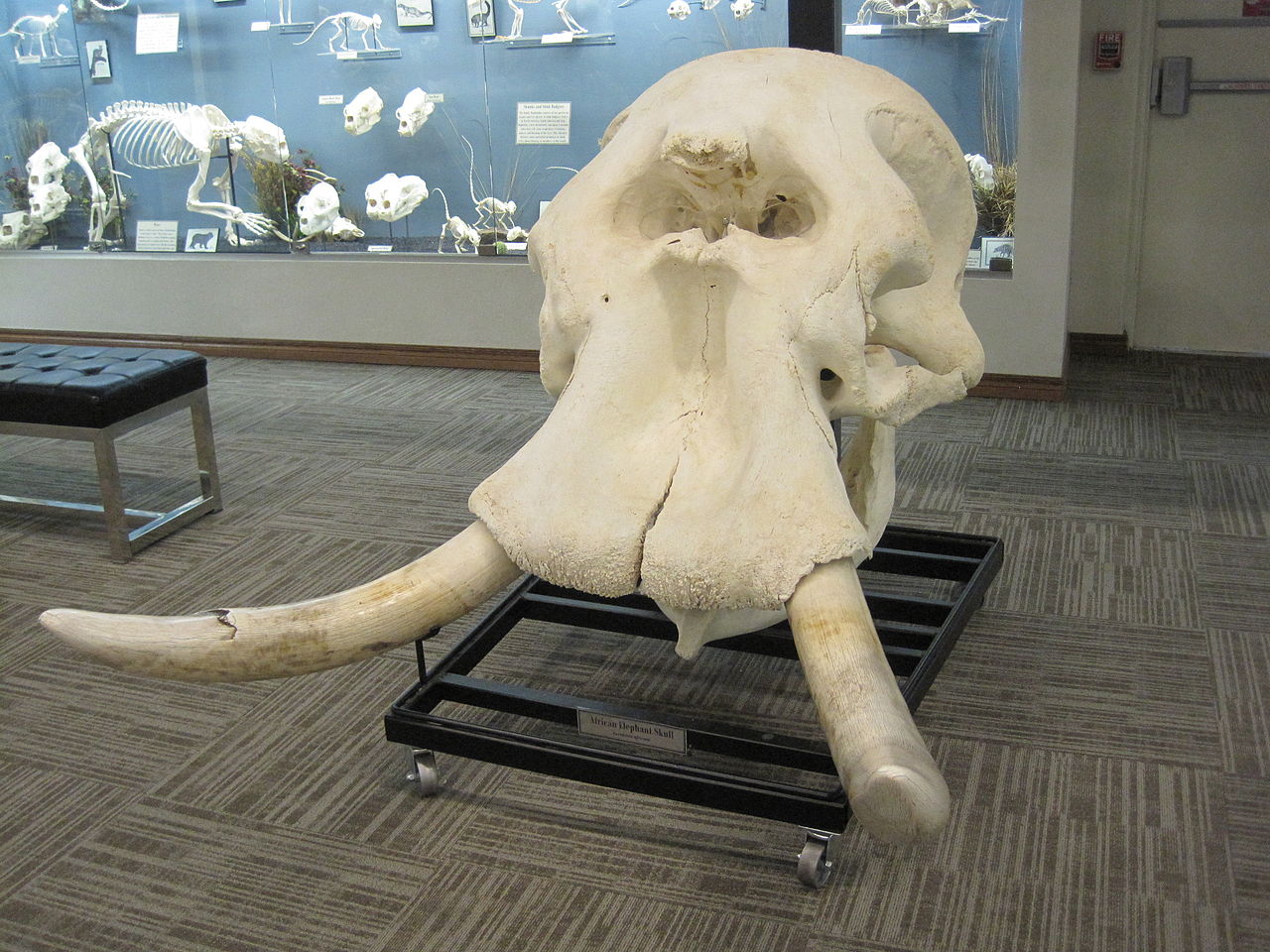
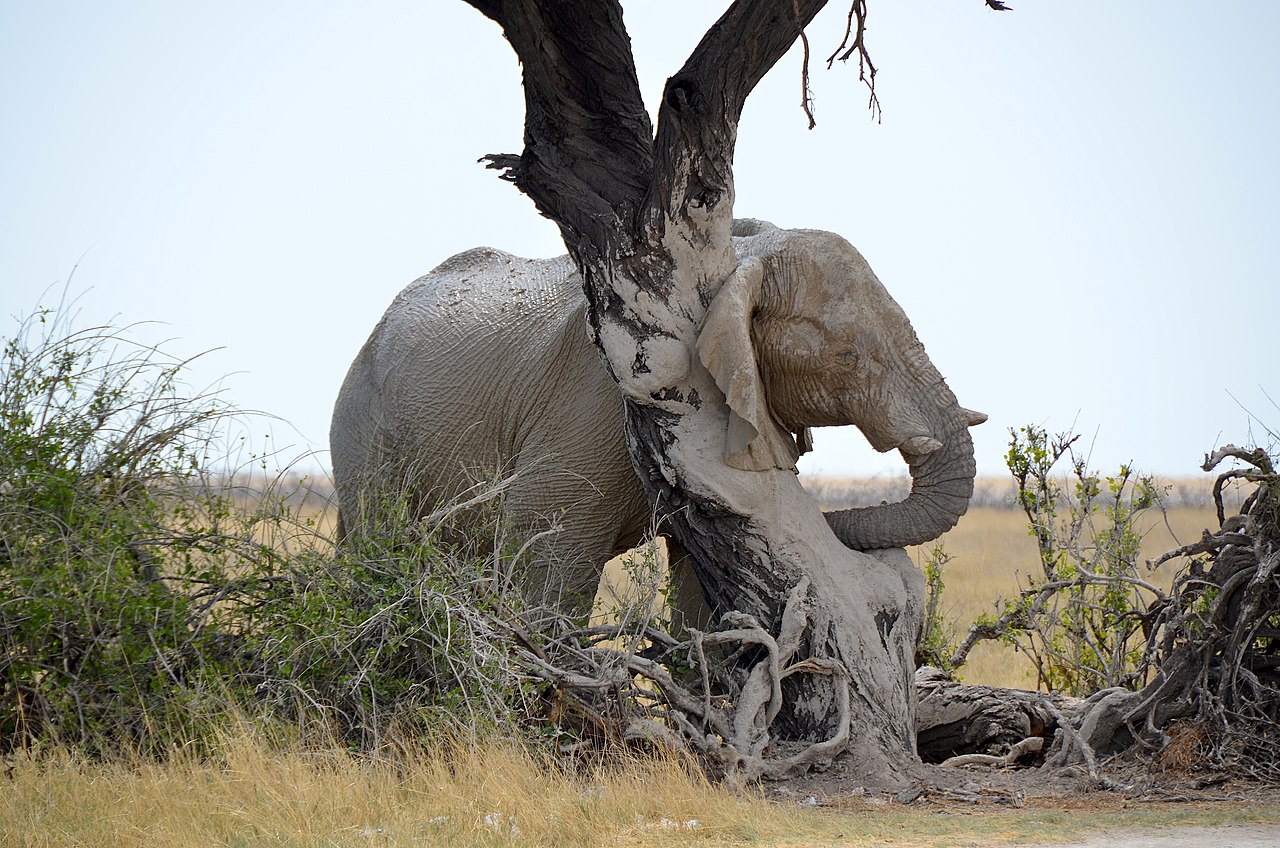
African elephants are characterized by a long trunk, large fan-like ears, tusks in both sexes (though size varies) and columnar legs. There are two species widely recognized: the larger African bush elephant and the smaller African forest elephant. Adult males of the bush elephant can reach heights at the shoulder exceeding three meters and are substantially heavier than females; females are noticeably smaller. The trunk is a multipurpose organ used for breathing, grasping, drinking and social signaling.
Behavior and social structure
Social organization is matriarchal: related adult females and their offspring form stable family groups led by an older female. Males typically leave natal herds at adolescence and may live alone or form loose bachelor groups. Reproduction involves long gestation, and calves are cared for communally within the herd. Adult males may enter periodic states of heightened aggression and hormonal activity known as musth.
Habitat, diet and ecological role
African elephants occupy a wide range of habitats from savanna and grassland to dense forest and semi-arid regions. They are herbivores, feeding on grasses, leaves, bark and roots, and require large amounts of food and water daily. As large browsers and grazers, they are keystone engineers: by uprooting trees, creating clearings and dispersing seeds they shape vegetation patterns and benefit many other species.
Conservation and human interactions
Both species face threats including poaching for ivory, habitat fragmentation, agricultural expansion and human–wildlife conflict. Conservation measures involve protected areas, international trade controls and community programs. The two species differ in vulnerability and distribution: the forest elephant is restricted to central and western woodlands while the bush elephant inhabits open savannas; each has distinct conservation needs (bush elephant).
Notable distinctions and facts
- Two species: bush (larger, more open-country) and forest (smaller, adapted to dense forest).
- Both species have complex social lives and advanced communication, including low-frequency sounds.
- They are long-lived mammals with slow reproduction, which makes populations slow to recover.
For further reading and detailed taxonomic or conservation status updates consult specialist sources and databases on African mammals and protected species management (general overview, taxonomic references, fossil records, continental context, geological background, species accounts).
Questions and answers
Q: How many species of elephant are there in the genus Loxodonta?
A: There are two species of elephant in the genus Loxodonta.
Q: Which living genera belong to Elephantidae?
A: Elephantidae has two living genera, one of which is Loxodonta.
Q: How do female elephants usually travel?
A: Female elephants usually travel in herds.
Q: How do male elephants usually travel?
A: Male elephants usually travel alone, and sometimes in bachelor groups.
Q: Where have fossil Loxodonta been found?
A: Fossil Loxodonta have only been found in Africa.
Q: What is the largest living elephant?
A: The largest living elephant is the African bush elephant.
Q: What is the average height and weight of male and female African bush elephants?
A: Male African bush elephants can grow to 3.64 meters tall at the shoulder and weigh 5455 kg. Females may reach 3 meters and weigh 3636 kg to 4545 kg.
Tags
Related articles
Author
AlegsaOnline.com African elephant: overview, biology, behavior and conservation Leandro Alegsa
URL: https://en.alegsaonline.com/art/1261
Sources
- science.smith.edu : science.smith.edu/departments/Biology/VHAYSSEN/msi/pdf/i0076-3519-092-01-0001.pdf
- livescience.com : "100 slaughtered elephants found in Africa"
- livescience.com : LiveScience.com · webcitation.org
- news.bbc.co.uk : BBC: Elephant explosion triggers cull row