
East Asian calligraphy: tradition, styles, tools, and cultural role
Overview of East Asian calligraphy: its origins in China, major script styles, tools and techniques, historical spread to Japan, Korea, and Vietnam, and its cultural importance and regional variations.
Overview
East Asian calligraphy is the artful writing of characters developed in China and adopted, adapted, and transformed across neighboring cultures. It began in ancient China and later became a central expressive practice in Japan, Korea and Vietnam. Practitioners prize line quality, rhythm, and balance; calligraphy functions both as practical communication and as a visual art linked to literature, religion, and personal cultivation.
Image gallery
10 Images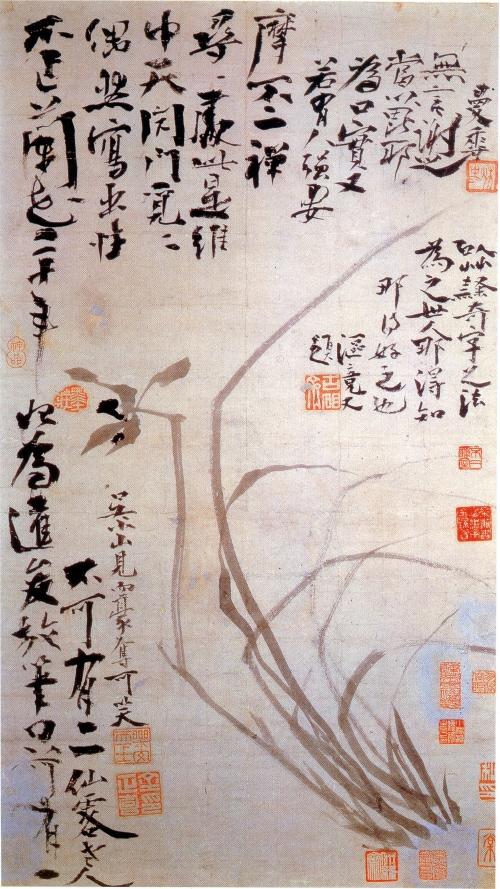
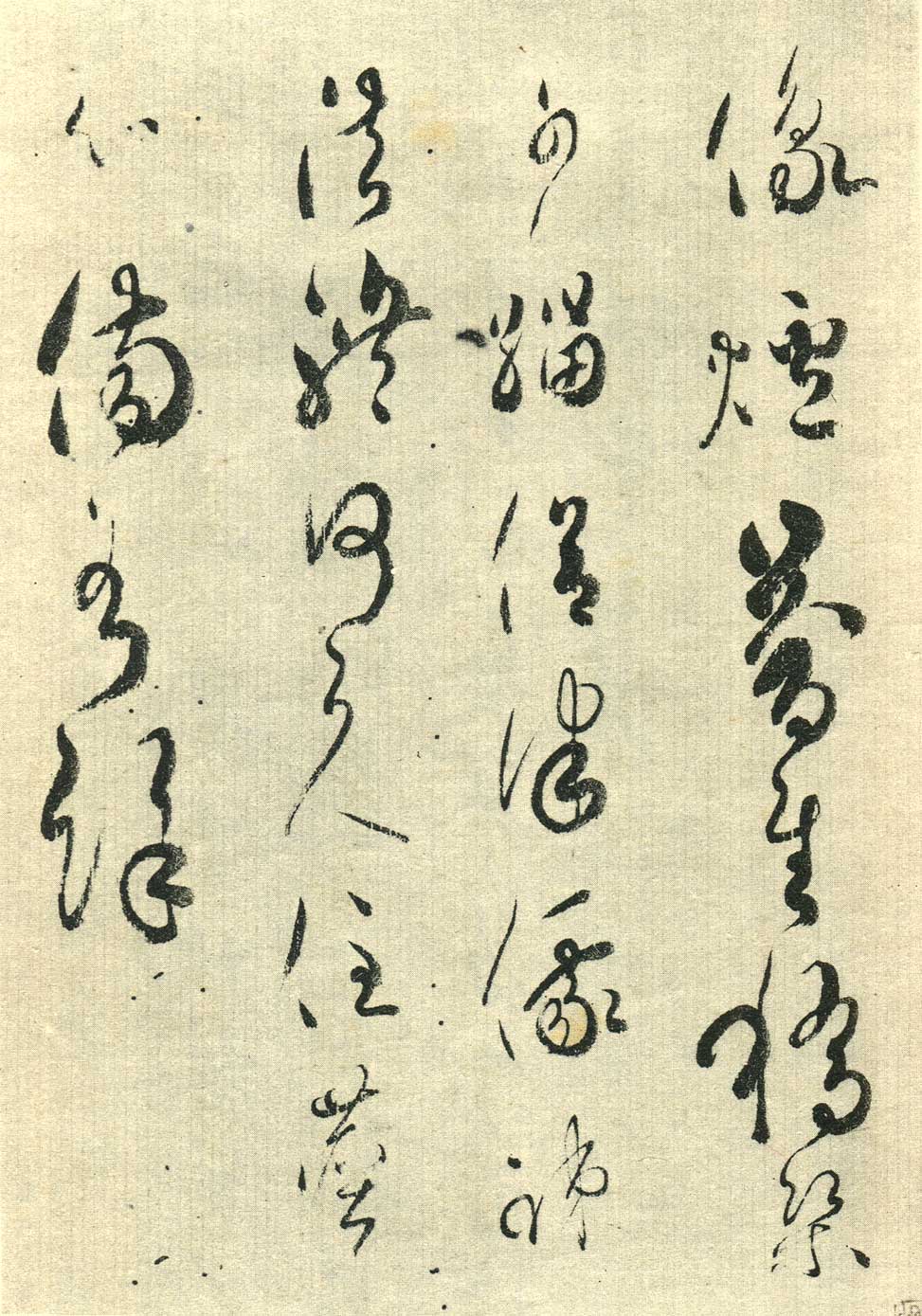


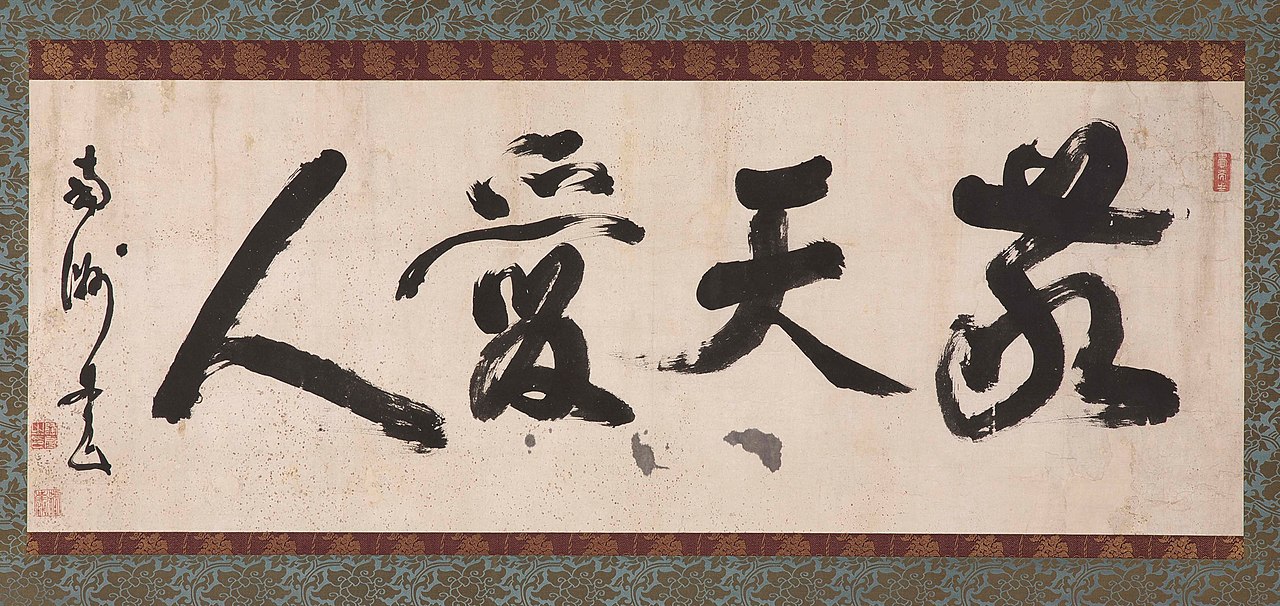


Characteristics and styles
Calligraphy emphasizes brushwork, contrast between thick and thin strokes, and controlled use of ink. Several major script styles are commonly recognized:
- Seal script — archaic, formal characters used historically on inscriptions.
- Clerical script — a flatter, more rectilinear style that emerged during early imperial times.
- Regular script — clear, standardized strokes used for instruction and printing models.
- Running script — semi-cursive, linking strokes for speed and fluidity.
- Cursive script — highly abbreviated and expressive, prized for spontaneity.
Tools and technique
Traditional practice centers on the "Four Treasures" — brush, inkstick, paper, and inkstone — supplemented by seals and red cinnabar paste. Techniques include varying pressure, speed, and brush angle to shape strokes; learning typically involves copying models and gradual internalization of rhythm and proportion.
History and regional development
Calligraphy evolved from early inscriptions and bronze and bone scripts in China and was systematized over centuries. From China it spread to neighboring societies, where local languages and scripts influenced the art: Japan incorporated Chinese characters and developed kana scripts that created distinct compositional approaches; Korea used Chinese characters (Hanja) before inventing Hangul, which later gained calligraphic use; Vietnam historically used chữ Nôm and classical characters before switching to the Latin-based quốc ngữ.
Cultural role and contemporary practice
Beyond aesthetics, calligraphy has served as a marker of education, moral cultivation, and spiritual practice (for example in Buddhist and Zen contexts). Today it remains a living art taught in schools, practiced by hobbyists and professionals, and adapted in modern design, digital fonts, and cross-disciplinary art. Scholars and artists continue to explore its historical manuscripts, preservation, and evolving forms.
For further reading on origins and regional traditions see sources from China, Japan, Korea, Vietnam and comparative studies — e.g., introductions available via East Asian studies and other cultural resources. More specialized entries and image collections are accessible through research portals and museum catalogs (collections).
Related articles
Author
AlegsaOnline.com East Asian calligraphy: tradition, styles, tools, and cultural role Leandro Alegsa
URL: https://en.alegsaonline.com/art/29606