
Édouard Manet: Pioneer of Modern Painting
French painter Édouard Manet (1832–1883) bridged Realism and Impressionism by depicting modern life. His bold subjects and brushwork, including Lunch on the Grass and Olympia, reshaped 19th-century art.
Overview
Édouard Manet (23 January 1832 – 30 April 1883) was a major French painter whose work marked a pivotal move toward modern art. For many critics and historians his name is associated with the transition from mid‑19th‑century academic painting to newer approaches that emphasized contemporary life, loose handling of paint, and direct observation. Readers can find the name pronounced via this reference: pronunciation.
Image gallery
10 Images




Style and characteristics
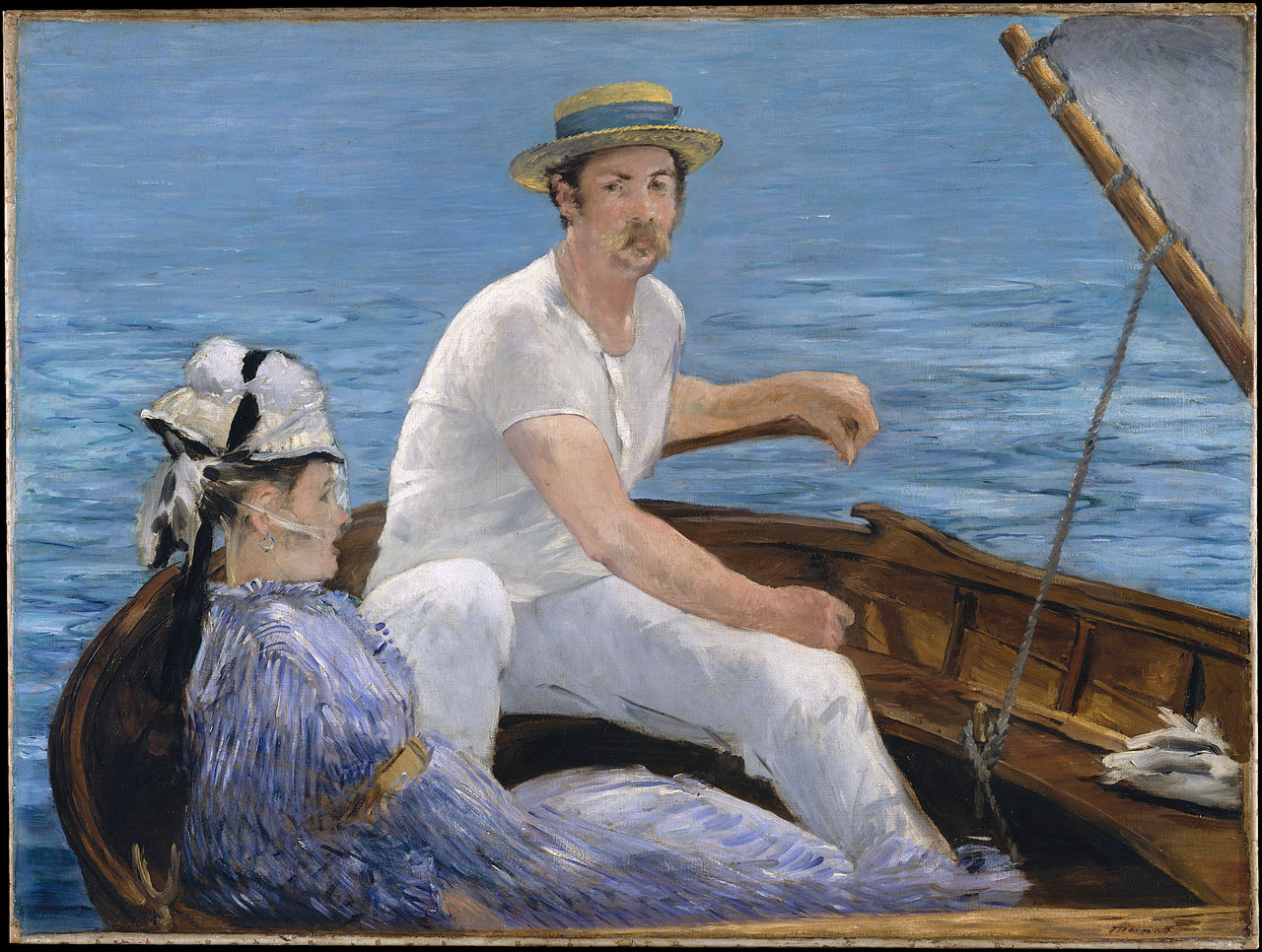
Manet favored subjects drawn from everyday urban life—cafés, theatres, parks, and intimate domestic scenes—rather than classical or historical themes. His technique combined a simplified, often flattened spatial treatment with visible, economical brushstrokes and a palette that could be both restrained and striking. Though commonly associated with Impressionism, Manet kept a distinct approach: he did not always paint en plein air and he maintained a compositional clarity that separated him from some of his younger peers.
Major works and controversies
A number of Manet's paintings provoked heated debate among critics and the public. Works such as Le Déjeuner sur l'herbe (Lunch on the Grass) and Olympia challenged contemporary taste by presenting recognizable, unapologetic modern figures in confrontational ways. These pieces were widely seen as controversial when first exhibited and played a key part in discussions about realism, representation, and morality in art.
Exhibitions, peers, and influence
Manet's work appeared in public venues that shaped 19th‑century artistic debate, most notably the Salon and the 1863 Salon des Refusés. He maintained friendships and artistic dialogues with figures who became leaders of Impressionism, including Monet, Renoir and Degas, and he showed with them on occasion while preserving his independence. His practice encouraged younger artists to explore modern subjects and fresh visual strategies.
Notable works
- Le Déjeuner sur l'herbe (Lunch on the Grass), 1863 — a landmark painting that unsettled academic conventions.
- Olympia, 1863 — a stark, contemporary portrayal of a reclining nude that generated intense criticism.
- A Bar at the Folies‑Bergère, 1882 — a late work reflecting complex composition and modern nightlife.
- The Fifer, 1866 and The Railway, 1873 — examples of his interest in portraiture and urban scenes.
Legacy and distinctions
Manet is often identified as a bridge between academic Realism and the more color‑and‑light oriented Impressionist experiments. He never fully embraced every technique of the Impressionists, yet his daring subjects, economy of means, and respect for the visual truth of modern life made him a central figure in the development of modern painting. His influence extends to 20th‑century movements that prize direct observation and expressive brushwork.
Later life
In his later years Manet contended with declining health that affected his mobility and practice. Despite physical difficulties he produced important late works and continued to exhibit. He died in Paris in 1883, by which time his reputation had grown and his innovations had firmly entered the language of modern art.
For further general reading see artist biographies and museum collections that discuss Manet's role and major paintings in more detail: About the artist, introductions to pronunciation and life, surveys of Impressionism, and resources on controversial exhibitions and reactions. Additional context on French art history is available in studies of French 19th‑century painting and the era's debates between Realism and its successors.
Questions and answers
Q: Who was Édouard Manet?
A: Édouard Manet was a French Impressionist painter who was one of the first painters of the 19th century to paint subjects of everyday life in the modern world.
Q: What is Édouard Manet known for?
A: Édouard Manet is known for being an important figure in the change from Realism to Impressionism.
Q: Why were some of Édouard Manet's paintings controversial?
A: Some of Édouard Manet's paintings were controversial because they depicted subjects of everyday life in the modern world, which was not common in 19th-century art.
Q: Which paintings by Édouard Manet were a starting point for Impressionism?
A: The paintings Lunch on the Grass and Olympia were a starting point for Impressionism, as they were a departure from the traditional subject matter and style of 19th-century art.
Q: What impact did Édouard Manet have on modern painting?
A: Édouard Manet had a significant impact on modern painting, particularly on the movement from Realism to Impressionism.
Q: When was Édouard Manet born and when did he die?
A: Édouard Manet was born on January 23, 1832 and died on April 30, 1883.
Q: How is Édouard Manet's name pronounced in French?
A: Édouard Manet's name is pronounced "edwaʁ manɛ" in French.
Related articles
Author
AlegsaOnline.com Édouard Manet: Pioneer of Modern Painting Leandro Alegsa
URL: https://en.alegsaonline.com/art/30208