
Dover, Kent: Port town, history, and coastal landmarks
Dover is a coastal town in Kent, England, known for its strategic port, the White Cliffs and Dover Castle; its position on the Strait of Dover has shaped its history, transport and tourism.
Overview
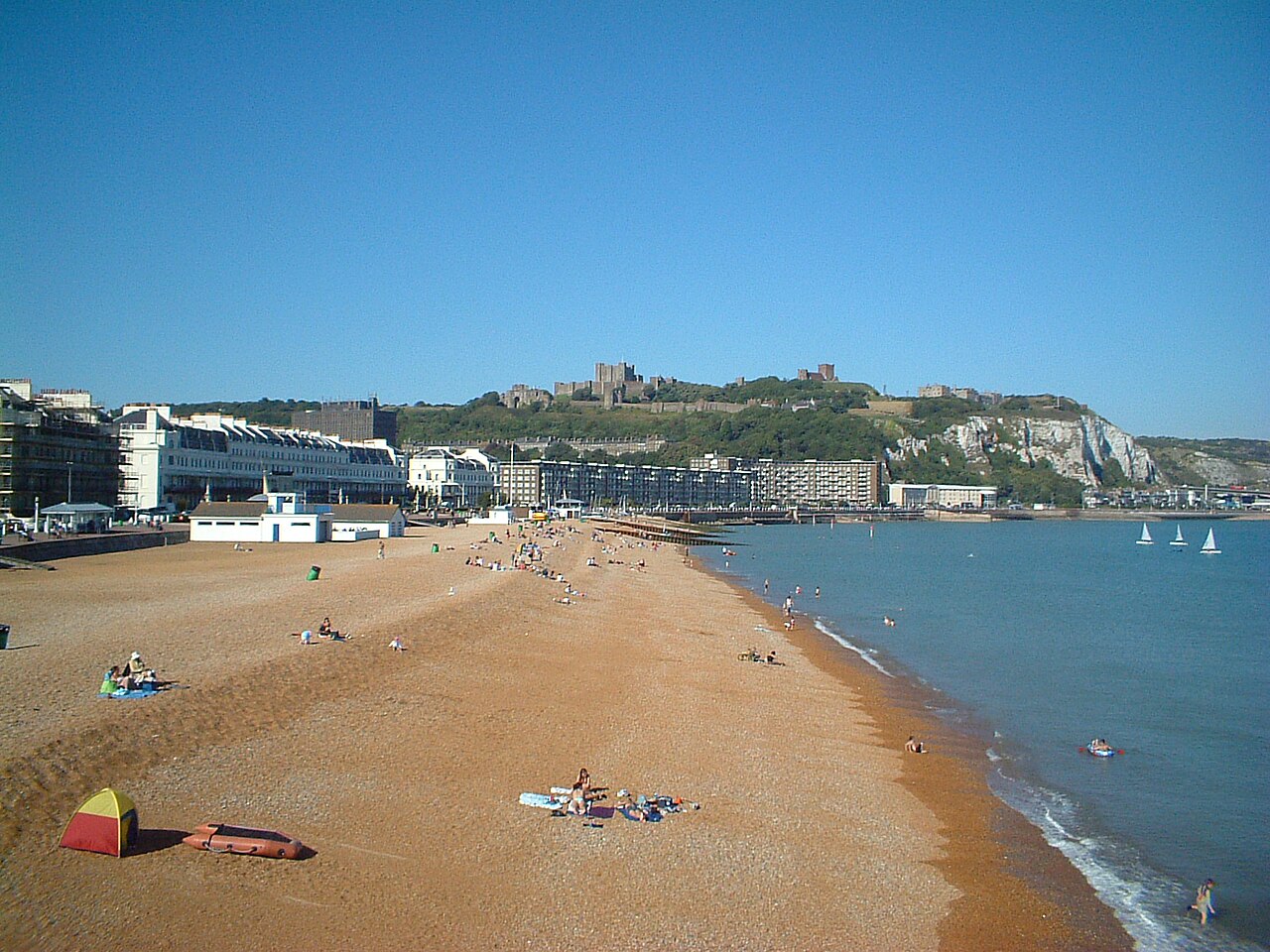
Dover is a coastal town in the county of Kent, in the United Kingdom. Not to be confused with Dover, Delaware, this Dover sits at one of the narrowest parts of Britain’s seaway and has a population of about 39,078. Its origins reach back to ancient times when the Romans established a port and settlement here, later known in Latin sources as Dubris. The town’s position on the English shore has had a lasting influence on its development and identity.
Image gallery
10 Images




Geography and maritime importance
Dover overlooks the stretch of water commonly called the Strait of Dover, the narrowest part of the English Channel. Because it is the closest port to mainland Europe from much of England, Dover has long been an important port of Britain and a gateway for trade, passenger travel and military movement. The immediate seascape and opposite French coastline are frequently referenced in accounts of cross-Channel traffic and coastal defence (sea, French shore).
History and strategic role
From Roman times onward Dover has served both commercial and military functions. Medieval fortifications were built to guard the channel and trade routes; on higher ground sits Dover Castle, a layered complex of Norman, medieval and later structures often cited among the largest castles in England. In the 20th century the town and surrounding cliffs were key to coastal defence and evacuation operations, and wartime tunnels and fortifications remain visible features of the landscape.
Transport and port facilities
Modern Dover is a busy cross-Channel terminal. Regular ferry services link the town with continental ports such as Calais in France and Ostende in Belgium. Contemporary figures often quote tens of thousands of passengers and thousands of vehicles passing through the port each day (traffic figures), underlining its role in international transport and logistics. The nearby rail and road connections provide onward links across Kent and into London.
Natural and cultural landmarks
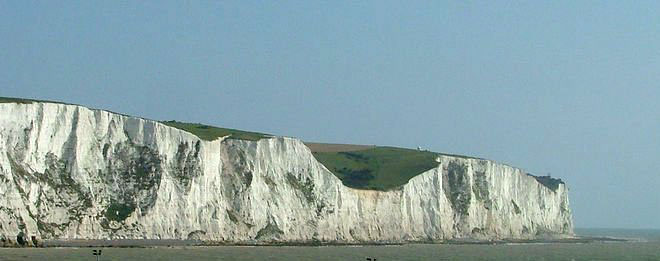
Dover’s best-known natural feature is the White Cliffs of Dover, dramatic chalk cliffs that form part of the North Downs and have become emblematic in British culture. The town also offers museums, promenades, historic piers and coastal walks; these attractions support a significant tourism sector and local visitor services (tourist attractions).
Economy, conservation and community
The local economy combines port operations, freight and logistics, public services and tourism. Conservation efforts focus on protecting the chalk cliff habitat, archaeological features and historic buildings while accommodating modern transport needs. Local authorities, conservation groups and heritage bodies work together to manage erosion, visitor pressure and the upkeep of key sites.
Governance, demographics and culture
Dover forms part of a district and is represented in local and national government structures. The population is diverse in age and occupation, with long-established communities alongside more recent arrivals tied to maritime and service industries. Cultural life includes festivals, museums and events that draw on the town’s maritime heritage and landscape.
- Key sites: Dover Castle, White Cliffs of Dover, local museums and wartime tunnels
- Major routes: regular ferry links to Calais and Ostende, plus rail and road connections for freight and passengers
- Heritage notes: Roman foundations (Romans), medieval defences and significant 20th-century military works (castle, historic records)
Visitors seeking practical information such as ferry timetables, access arrangements, conservation policies or opening hours should consult official transport operators and heritage organisations via their published channels. For further reading and detailed research on Dover’s geology, history and contemporary role, local archives and regional studies provide in-depth material and primary sources under the town’s entry in regional guides and official records.
Additional references and links: Dover (Delaware), coastal location, Strait of Dover, port history, English Channel, proximity to Europe, maritime environment, French coast, Kent county, United Kingdom, transport statistics, visitor sites, demographics, local status, Belgian links, Roman heritage, historical overview, castle scale, Calais connection, ferries, Dover Castle, White Cliffs
Related articles
Author
AlegsaOnline.com Dover, Kent: Port town, history, and coastal landmarks Leandro Alegsa
URL: https://en.alegsaonline.com/art/28742