
Town (urban settlement)
A town is a populated place intermediate between a village and a city, defined by local law, economy, services and history; its meaning differs between countries and over time.
Overview
A town is a human settlement that commonly lies between a village and a city in size, function and administrative status. Towns typically concentrate housing, shops, public services and light industry, and they serve surrounding rural areas as local centres for trade, schooling and health care. The exact boundaries between a town and other settlement types vary widely: some places called towns may have the size and amenities of a small city, while other towns remain compact and closely linked to agricultural hinterlands.
Image gallery
10 Images


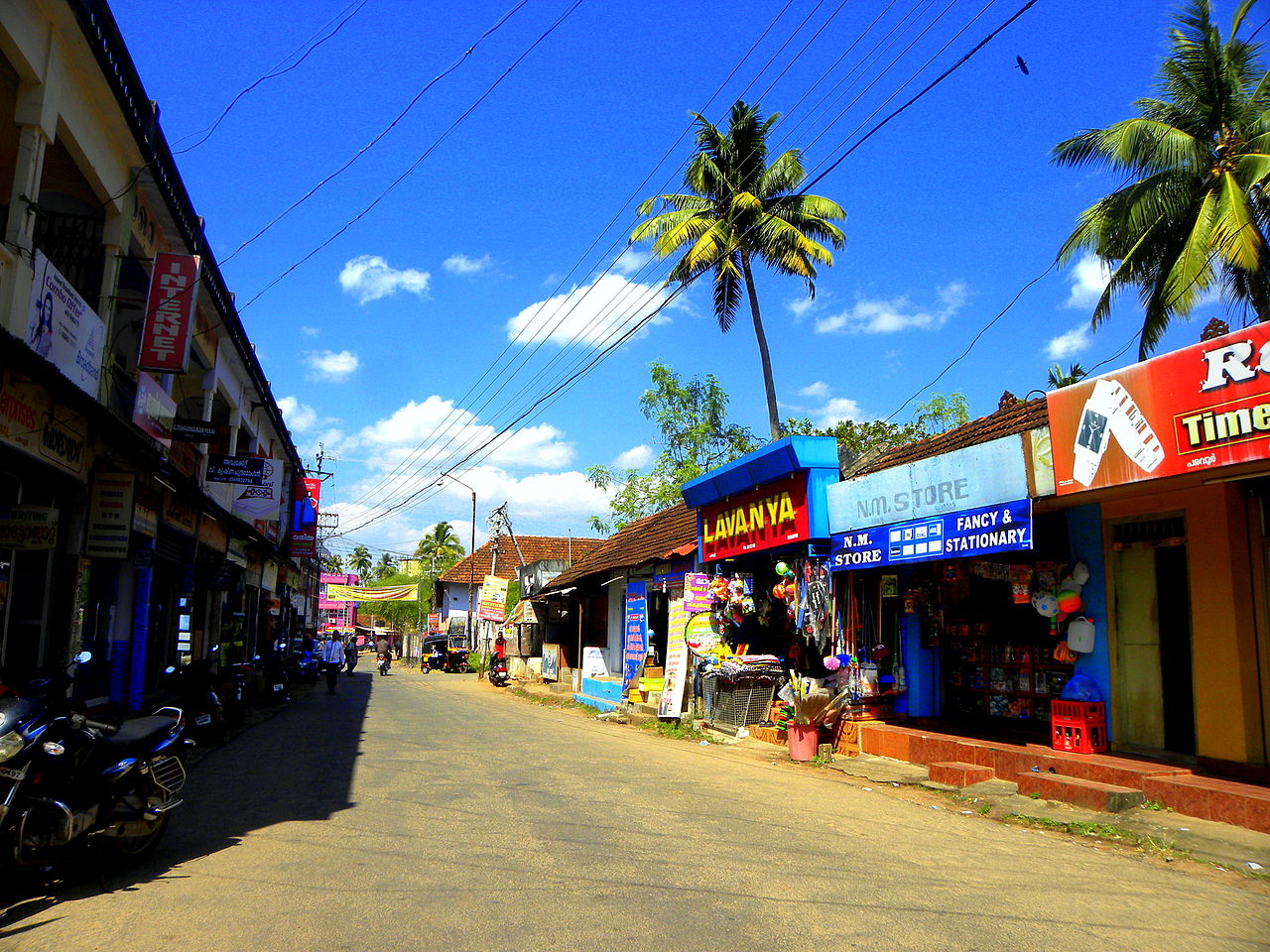


Characteristics and functions
Towns are usually identified by a combination of physical, economic and institutional traits rather than by population alone. Typical characteristics include a defined built-up area, a local commercial core with shops and markets, public institutions such as schools and municipal buildings, and businesses that provide employment beyond subsistence farming. In many regions the local economy shifts away from primary production toward manufacturing, services and administration. These shifts distinguish a town from a village or a hamlet and shape its role as a service hub.
History and development
The historical emergence of towns has often followed trade routes, natural resources or administrative decisions. In medieval Europe, for example, settlements became towns through charters that granted privileges such as market rights or self-government. Over centuries, towns have grown, merged, declined or been reclassified as urban systems and transportation changed. Industrialisation and the development of public institutions and infrastructure have particularly influenced the expansion of many towns into larger urban centres.
Legal status and governance
Whether a place is officially a town can depend on national or regional law. Some countries use formal criteria—such as population thresholds, the presence of municipal institutions or historical designation—to confer town status. Elsewhere the term is used informally, and local usage may call a small urban area a city, or a larger place a town. Administrative structures that govern towns range from elected town councils to incorporation within broader municipal or county systems.
Importance and modern variations
Towns remain important in organizing daily life for many people. They concentrate schools, clinics, markets and cultural facilities and often act as intermediaries between countryside and larger cities. Contemporary planning debates address how towns can remain sustainable, maintain services with changing demographics, and balance heritage with new development. In some places, suburban growth blurs distinctions and creates continuous urban corridors, while in other areas traditional market towns preserve distinct local identities.
Related topics and distinctions
- City — larger urban settlements with broader administrative or economic roles.
- Local government — how towns are governed in different systems.
- Village — smaller rural settlements often focused on agriculture.
- Definition — legal and functional definitions vary by place.
- Country — national differences in classification and policy.
- Hamlet — very small cluster of dwellings with few services.
- Economy — typical economic bases that distinguish towns.
- Industry — role of light manufacturing in town growth.
- Factories — examples of industrial employment in towns.
- Commerce — trade, shops and markets as town functions.
- India — an example where villages can be populous yet distinct from towns.
- Legal status — some places gain city or town names by statute.
- Middle Ages — period when town charters shaped urban rights.
- Town privileges — historical rights that differentiated towns from rural settlements.
Questions and answers
Q: What is a town?
A: A town is a place with a lot of houses, smaller than a city but larger than a village, with an economy based on industry, commerce, and public service.
Q: Is there a universal definition of a town?
A: No, the definition of a town varies in different countries and regions.
Q: What is the difference between a town and a city?
A: Generally, a town is smaller than a city, but sometimes a town may be big and important enough to be considered a city.
Q: How do people in towns usually make a living?
A: People in towns usually get money from industry, commerce, and public service, rather than agriculture.
Q: Can a village have more people than a town?
A: Yes, in many areas of the world, a big village can have more people than a small town.
Q: Why is it difficult to say if a place is a town?
A: Today, some towns are becoming bigger and sometimes a place is called a town even if it is small. Also, in the Middle Ages, a town became a town by means of a town charter, which is not necessarily the case today.
Q: What is the historical way of a place becoming a town?
A: In the Middle Ages, a place became a town by means of a town charter, which gave it town privileges.
Related articles
Author
AlegsaOnline.com Town (urban settlement) Leandro Alegsa
URL: https://en.alegsaonline.com/art/100933
Sources
- census.gov : "Individual State Descriptions: 2002"
- le.utah.gov : "Utah Code, Title 10, Chapter 2, Section 301" · web.archive.org
- webcache.googleusercontent.com : "Title 15 - Cities and Towns; Chapter 1 - General Provisions; Article 1 - Powers and Miscellaneous Matters; 15-1-101. Definitions"
- soumu.go.jp : "総務省|地方自治制度|地方公共団体の区分"
- wikidata.orgQ3957.html : wikidata.orgq3957.html
- d-nb.info : 4031110-7
- hls-dhs-dss.ch : 007870