
Calais, France: Port City on the Strait of Dover
Calais is a northern French port and transport hub on the Strait of Dover, known for ferry and tunnel links to England, lace-making, Rodin's The Burghers of Calais, and its maritime and industrial heritage.
Overview
Calais is a coastal city in northern France on the Strait of Dover. Its position on one of the shortest sea crossings to England has made it an important gateway between the continent and the United Kingdom for centuries. The city lies in the Pas-de-Calais department of the Hauts-de-France region and combines port activity, industry and historical tourism.
Image gallery
10 Images





Geography and layout
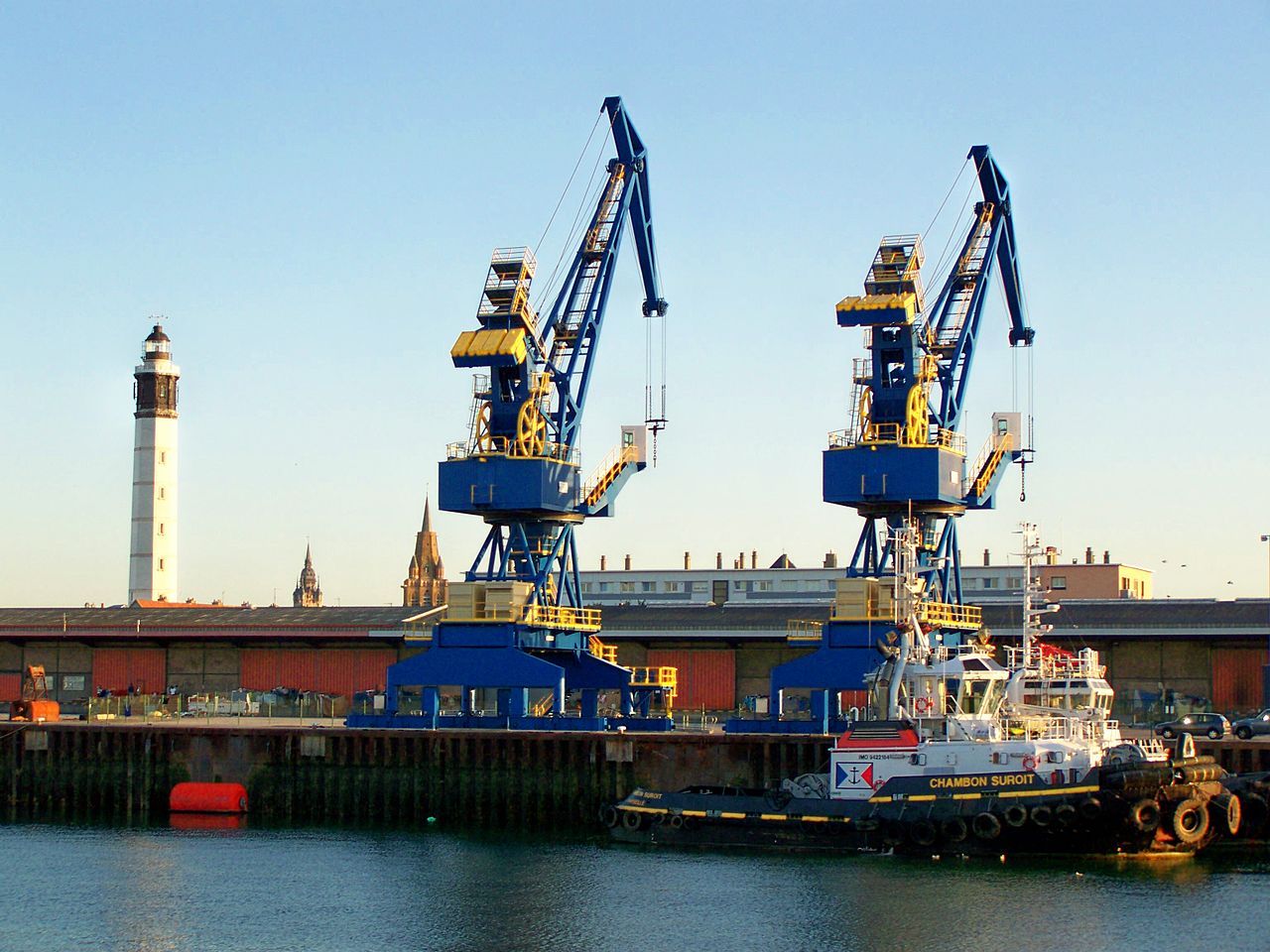
The urban area occupies a low-lying coastal plain facing the English coast, with sandy beaches, promenades and a working harbour. The modern transport complex extends beyond the municipal boundary: the rail terminal serving the Channel Tunnel is located at the neighbouring commune of Coquelles, while ferry terminals handle roll-on/roll-off passenger and freight services. The surrounding zone includes logistics parks, warehouses and light industry.
History
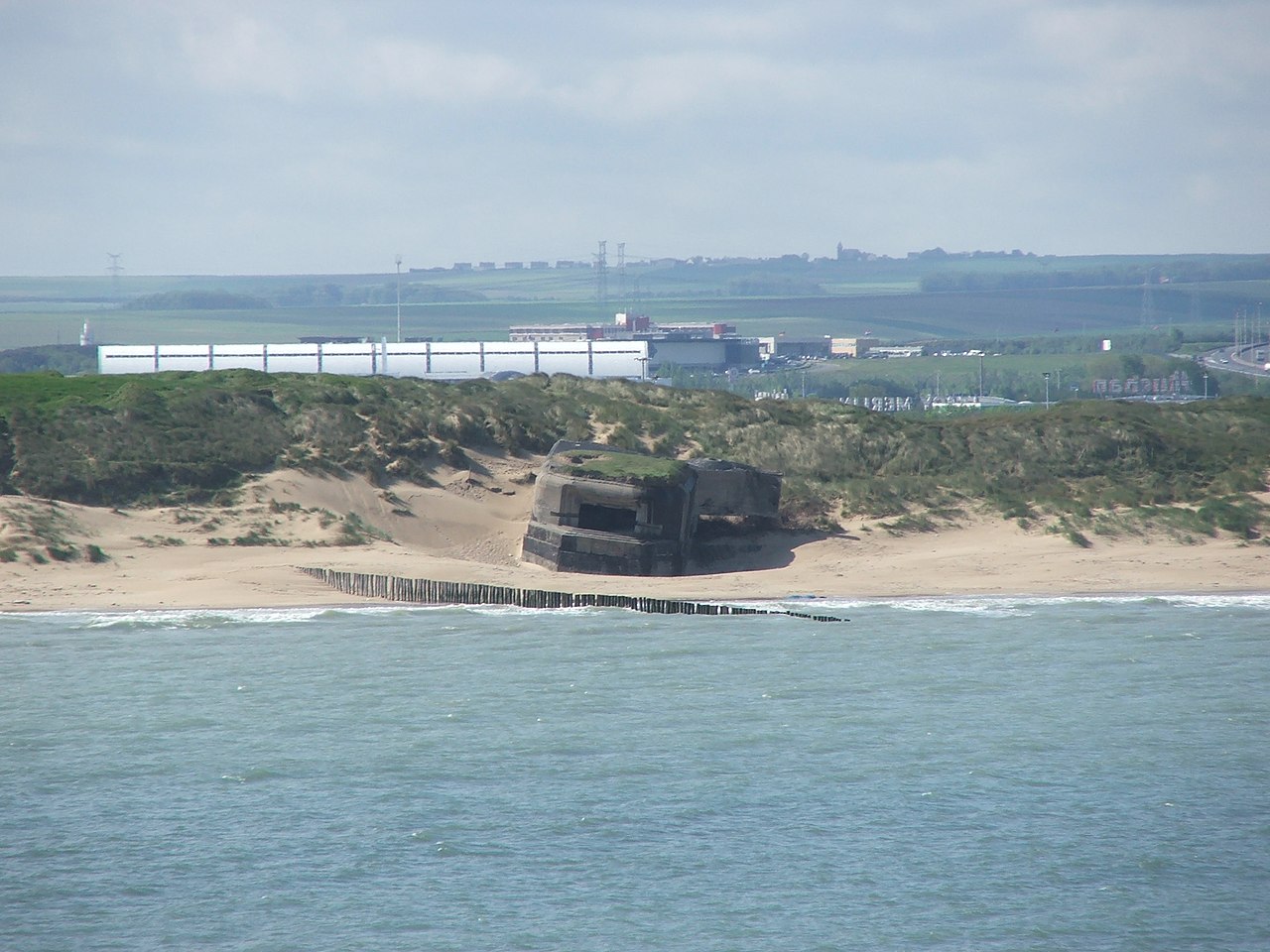
Calais has medieval origins and emerged as a strategic port in the Middle Ages. It fell into English hands during the Hundred Years' War and remained under English control for several centuries before returning to French rule in the 16th century. In later centuries the town grew as a commercial harbour and industrial centre. Calais and its approaches were strongly affected by both world wars and by 20th-century coastal defence and reconstruction efforts. The opening of the Channel Tunnel in the 1990s deepened its role as an international transport node.
Landmarks and culture
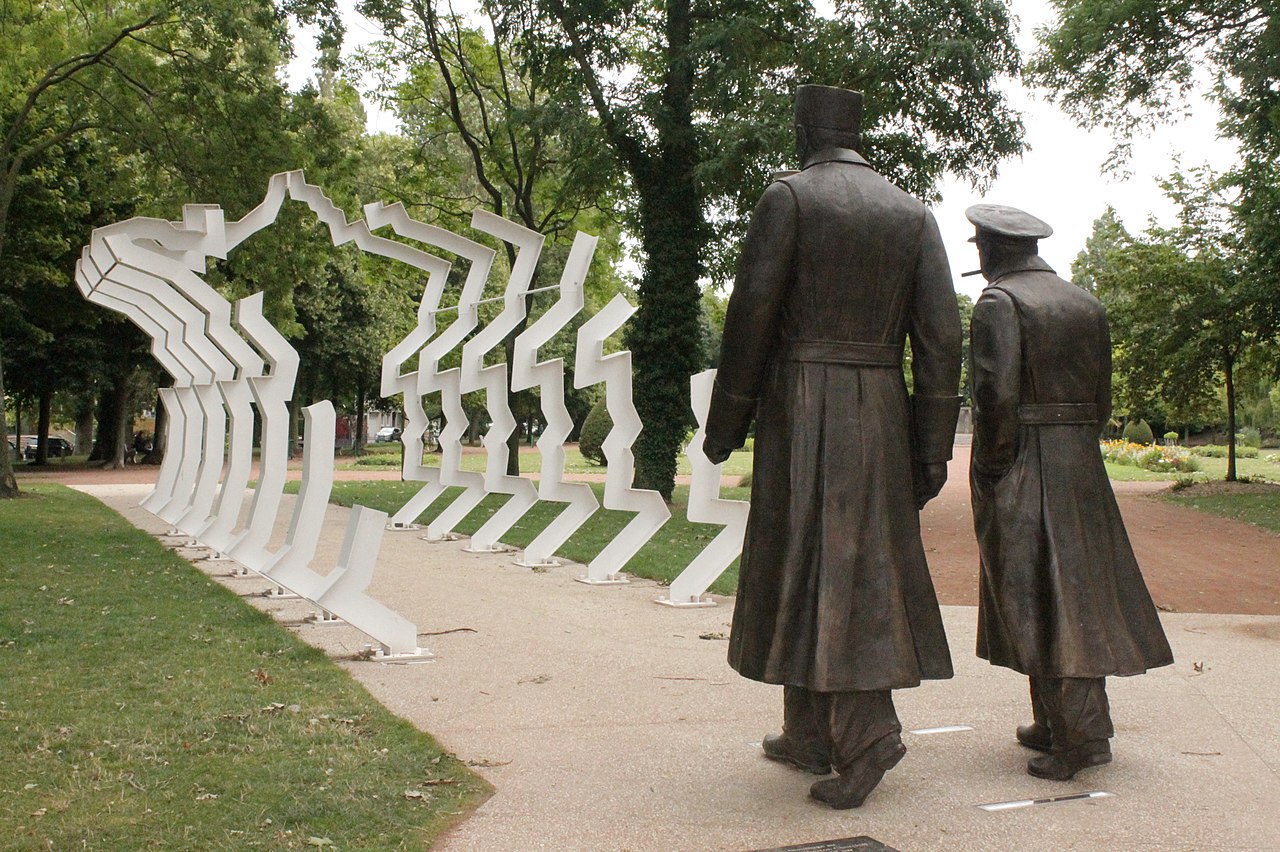
The city preserves civic monuments and cultural institutions that reflect its history and crafts. Prominent among these is the celebrated sculpture by Auguste Rodin, The Burghers of Calais, which commemorates a dramatic medieval episode. Calais also has a lace-making heritage, visible in local museums and museums of textiles, and hosts municipal buildings, churches and a waterfront that recall its maritime past.
Economy and transport
Calais functions as a major passenger and freight hub. Ferries provide regular crossings to southeastern England and road and rail connections link international freight to continental Europe. Local economic activity combines port services, logistics, manufacturing and tourism associated with coastal scenery, shopping and heritage sites.
Contemporary issues
Proximity to the United Kingdom has made Calais central to debates about migration and border control in recent decades. The city is also adapting to changing patterns of cross-Channel travel and trade, balancing port operations with urban development, environmental management of coastal areas and efforts to preserve its historic identity.
Tags
Related articles
Author
AlegsaOnline.com Calais, France: Port City on the Strait of Dover Leandro Alegsa
URL: https://en.alegsaonline.com/art/16014