
Dover
Dover is a placename used for towns and geographic features worldwide, notably the English port of Dover in Kent—famous for the White Cliffs—and Dover, the capital city of Delaware, USA.
Overview
Dover is a place name found across Britain, North America and other English-speaking regions. The name most often evokes either the English port town on the Strait of Dover in Kent — noted for its dramatic White Cliffs and long maritime role — or Dover, the inland capital city of the U.S. state of Delaware. Beyond these two well known examples, numerous towns, townships and neighbourhoods in the United States, Canada, Australia and elsewhere carry the same name.
Image gallery
10 Images




Geography and landmarks
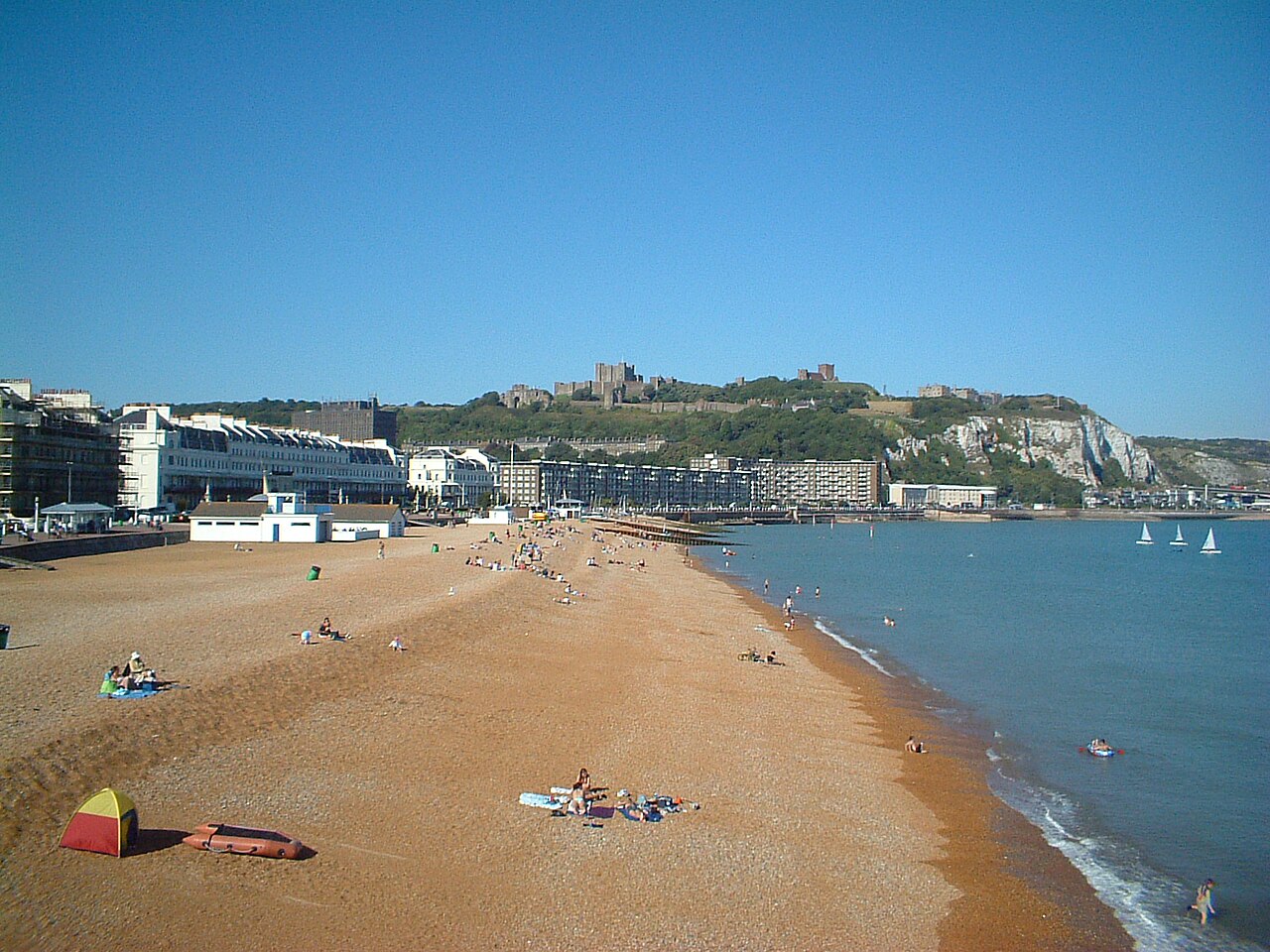
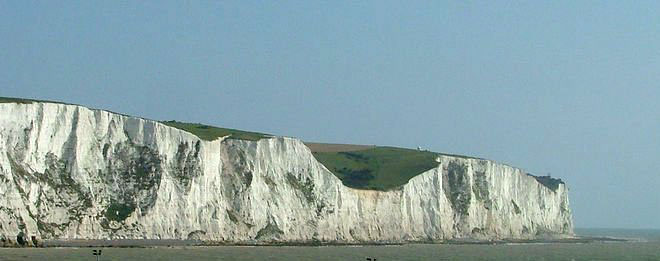
Dover, Kent, sits at one of the narrowest parts of the English Channel and functions as a major ferry and freight gateway between Britain and the continent. The coastline is dominated by chalk cliffs and a natural harbour; nearby landmarks include Dover Castle, sections of medieval town defences and surviving Roman remains. Dover, Delaware, lies inland on relatively flat terrain and is characterised by government buildings, residential areas and surrounding agricultural land.
Name and origins
The placename derives from an ancient Celtic root meaning "water" or "stream," a reference to rivers, estuaries or coastal locations favoured by early settlers. In Roman records the Kentish site appears under a Latinised form of the ancient name; later forms reflect medieval and Norman influences. Settlers who moved to North America frequently brought familiar British place-names with them, giving rise to many American Dovers.
History and role
Dover, Kent, has a long recorded history from prehistoric and Roman occupation through the medieval era and into modern times. Its strategic location made it important for trade, communication and coastal defence; it also played roles in twentieth-century wartime movements and evacuations. Dover, Delaware, developed as a regional administrative centre and remains the seat of state government, with courthouses, legislatures and related institutions.
Economy and transport
The port of Dover is a busy passenger and freight terminal with ferry services across the Channel and connecting road and rail links inland. Local economies in places called Dover typically draw on transport, tourism, public administration and nearby agriculture or light industry, depending on regional context.
Culture and natural significance
The White Cliffs of Dover are an iconic natural landmark frequently invoked in British literature, song and public memory; they symbolise both homecoming and the island nature of Britain. Coastal habitats near Dover support seabirds and specialized chalk flora. The name "Dover" has also appeared in ship names, businesses, place-based products and in the common name for the Dover sole, a flatfish associated with Channel fisheries.
Other places named Dover
- Dover, Delaware — state capital and administrative centre in the United States.
- Multiple smaller Dovers in U.S. states such as New Hampshire, Massachusetts and Ohio, plus communities in Canada, Australia and New Zealand.
- Local Dovers vary widely: some are ports or transport hubs, others are small rural towns or suburban neighbourhoods.
Visiting and study
Visitors to Dover, Kent, commonly explore coastal walks, historic fortifications and museums that interpret the town's maritime past. Researchers and local historians study Dover's archaeological record, military architecture and role in regional commerce. In other regions, Dovers offer insights into patterns of settlement, migration and place-name transfer across the English-speaking world.
Related articles
Author
AlegsaOnline.com Dover Leandro Alegsa
URL: https://en.alegsaonline.com/art/28752