
Allotheria: extinct Mesozoic mammals with multi‑cusped teeth
Allotheria is a name applied to several extinct mammal groups, noted for two‑row multicusped molariform teeth, a narrow pelvis, and a fossil record that ranges from the Triassic to the Oligocene.
Allotheria is a conventional name used for a collection of extinct mammal groups united by a distinctive dental pattern and a set of shared skeletal features. Authors sometimes treat Allotheria as an infra‑class or alternately as a superorder within the wider assemblage of mammals. They are typically discussed in relation to the other major early mammal lineages, the prototherians and the therians, although their exact position in mammal phylogeny remains debated.
Image gallery
10 Images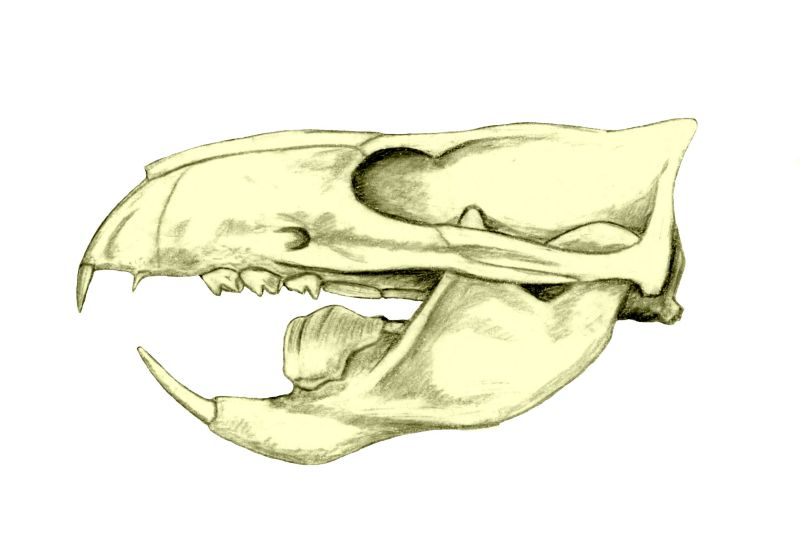
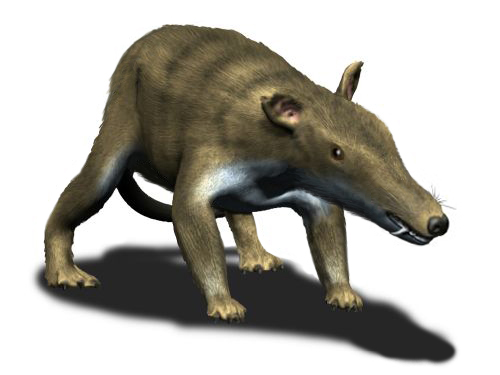


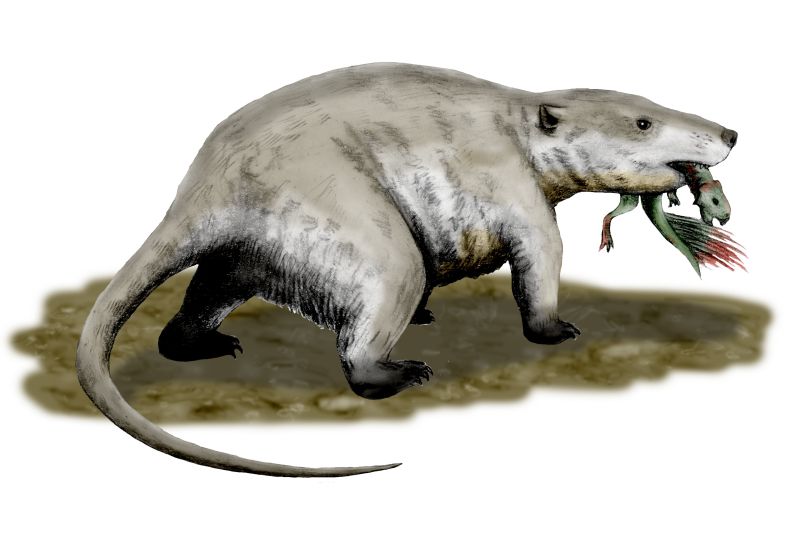


Distinctive anatomy
The most characteristic feature of allotheres is the architecture of the cheek teeth. Lower molariform teeth usually bear two longitudinal rows of cusps; this complex, multicusped condition helped grind plant material, seeds or invertebrate exoskeletons and distinguishes them from many other early mammals. The term molariform is often used to describe these teeth. Skull and jaw anatomy varies among groups but generally shows specializations associated with these chewing functions.
Postcranial traits and reproduction
Postcranial remains show recurring features such as a comparatively narrow pelvis in many specimens. Paleontologists have interpreted this as compatible with the birth of relatively small, undeveloped (altricial) young, analogous in some respects to marsupial reproduction, though direct evidence of reproductive biology is limited and interpretations remain cautious.
History, diversity and fossil record
Allotheres appear early in the Mesozoic. The Triassic group Haramiyida contains some of the oldest candidates, while the multituberculates—often the most abundant and long‑lived component—are known as the Multituberculates. Multituberculates persisted into the Cenozoic, with some records surviving until the Oligocene. Overall, the group (or groups) had a broad temporal range through much of the Mesozoic and occupied a variety of ecological niches.
Ecology and significance
Many allothere species were small and likely omnivorous or herbivorous; their specialized dentition indicates efficient processing of vegetation, seeds and small invertebrates. Their long fossil record—especially the success of multituberculates—makes them important for studying the early diversification of mammals and the evolution of specialized chewing adaptations that appear repeatedly in mammal history.
Classification and ongoing questions
Whether Allotheria represents a single natural (monophyletic) clade or a convergence of similar adaptations in separate lineages remains an active topic of research. Some analyses recover a coherent group, while others split its components or link them differently with other early mammals. New fossil discoveries and revised cladistic studies continue to shape our understanding of their relationships, diversity and biological role in Mesozoic ecosystems.
- Key dental trait: two longitudinal rows of cusps on lower molariform teeth.
- Pelvic morphology often interpreted as indicating small, underdeveloped newborns (narrow pelvis).
- Early records include Haramiyida (Triassic); major success through the Mesozoic.
- Multituberculates (Multituberculates) were long‑lived, with remains extending into the Oligocene.
For taxonomic discussions and further technical detail see overviews of the infra‑class discussion, alternatives treating the grouping as a superorder, and comparative treatments of early mammals. Reviews also place these groups in context with prototherians and therians and summarize their occurrence through the Mesozoic and beyond.
Related articles
Author
AlegsaOnline.com Allotheria: extinct Mesozoic mammals with multi‑cusped teeth Leandro Alegsa
URL: https://en.alegsaonline.com/art/2855
Sources
- app.pan.pl : app.pan.pl/archive/published/app45/app45-317.pdf