
Alveolate (Alveolata)
Alveolates are a diverse group of single-celled eukaryotes united by membrane-bound cortical sacs. They include ciliates, dinoflagellates and apicomplexans and are important ecologically and medically.
The alveolates (Alveolata) form a major assemblage of mostly unicellular eukaryotes, traditionally studied among the protists. Members are morphologically and ecologically diverse but are linked by shared cellular features and by molecular phylogenies. Scientists sometimes treat the group as a superphylum within the larger SAR clade (Stramenopiles, Alveolates, Rhizaria).
Image gallery
7 Images



Key characteristics
Alveolates are best known for cortical alveoli: flattened, membrane-bound sacs located just under the cell membrane. These structures appear to provide support, help regulate the cell surface and can be modified into plates, a pellicle or other surface features. Other common traits include complex cortical structures, diverse locomotive organelles (cilia or flagella) and, in some lineages, plastids derived from secondary endosymbiosis.
Although they vary greatly in form and lifestyle, alveolates share molecular markers in ribosomal and other conserved genes that support their unity. Their cell biology ranges from the highly organized somatic and reproductive nuclei of ciliates to the specialized apical complex of apicomplexan parasites.
Main groups
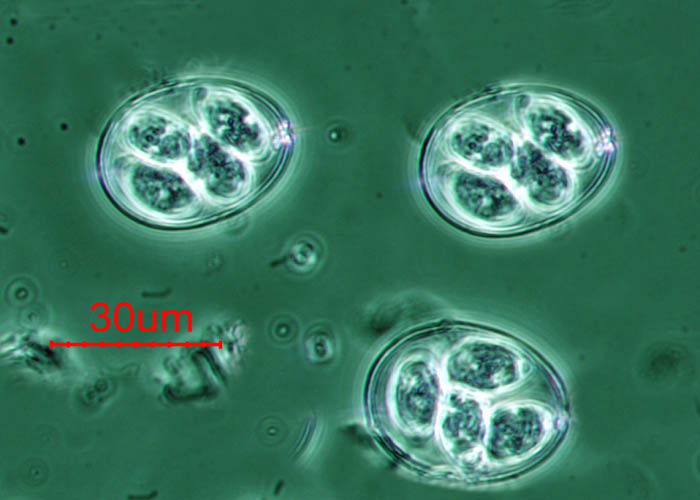
- Ciliates (Ciliophora): typically free-living, bearing numerous cilia used for movement and feeding; examples include Paramecium and Tetrahymena.
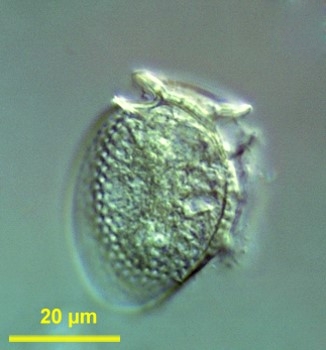
- Dinoflagellates (Dinophyceae): many are photosynthetic plankton, important primary producers and sometimes responsible for harmful algal blooms and bioluminescence.
- Apicomplexans (Apicomplexa): mostly obligate parasites, including the malaria parasite Plasmodium; they possess a remnant plastid called the apicoplast in many species.
- Related lineages: a number of smaller or newly recognized groups connect to these three major types and show transitional features.
The fossil and molecular record indicate an ancient origin for alveolates, with diversification tied to changes in marine ecosystems and the emergence of symbiotic and parasitic lifestyles. Plastid acquisition and loss have occurred repeatedly, producing both photosynthetic and non-photosynthetic descendants.
Importance and notable facts
Alveolates have broad ecological and practical significance. Dinoflagellates contribute to marine primary production and coral symbioses, yet can form toxic blooms that affect fisheries and human health. Apicomplexans include agents of major diseases (malaria, toxoplasmosis), making them central to medical research. Ciliates are important decomposers and model organisms for cellular biology. Many alveolates exhibit complex life cycles, varied nutrition modes (photosynthesis, predation, parasitism), and remarkable cell biology such as macronucleus–micronucleus systems or specialized invasion organelles.
Because of their diversity and roles in ecosystems and human affairs, alveolates remain a focus of evolutionary, ecological and biomedical study. They illustrate how a common cellular architecture can diversify into planktonic producers, symbionts, predators and formidable parasites.
Related articles
Author
AlegsaOnline.com Alveolate (Alveolata) Leandro Alegsa
URL: https://en.alegsaonline.com/art/3145