
Alveolus: anatomy, pulmonary function, and related cavities
An alveolus is a small hollow or cavity in anatomy. Most commonly it refers to the pulmonary alveoli — microscopic air sacs in the lungs where gas exchange occurs — but the term applies elsewhere.
An alveolus (plural: alveoli) is a small hollow or cavity found in biological structures; the term is used broadly in anatomy to describe tiny sockets or sacs. In everyday biomedical contexts the word most often denotes the pulmonary alveoli — the microscopic air sacs clustered at the ends of the branching airways in the lungs of mammals. These lung alveoli are the principal sites of gas exchange and are essential for efficient respiration.
Image gallery
5 Images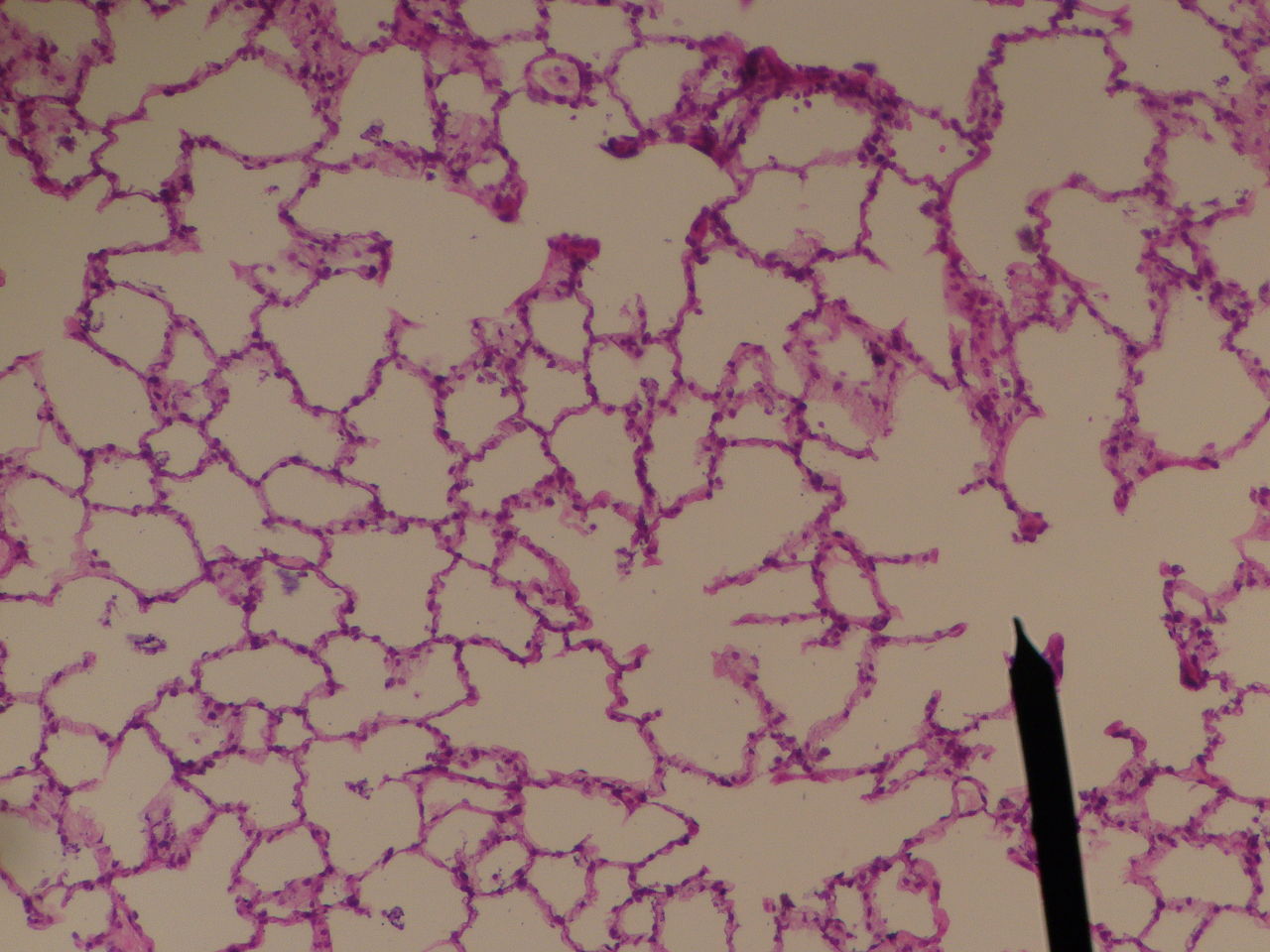


Structure and main components
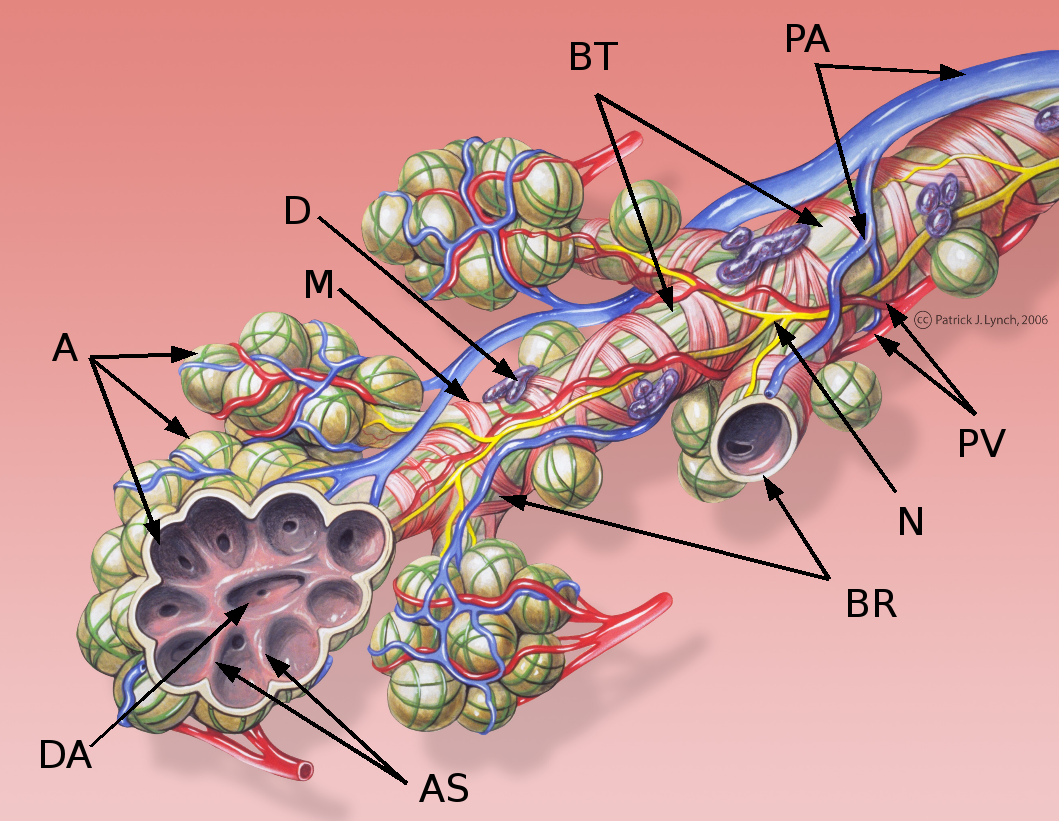
Pulmonary alveoli are arranged in groups called alveolar sacs attached to alveolar ducts and the terminal portions of the airways. Each alveolus has an extremely thin wall, typically a single cell layer thick, that is kept moist to facilitate transfer of respiratory gases. The alveolar epithelium includes two principal cell types: the flattened gas-exchanging cells (type I) and the cuboidal surfactant-secreting cells (type II). Specialized immune cells, alveolar macrophages, patrol the lumen and remove debris and microbes.
- Anatomic units: respiratory bronchioles, alveolar ducts, alveolar sacs.
- Cell types: type I and type II pneumocytes; interstitial cells and endothelial cells in capillaries.
- Special features: surfactant to reduce surface tension, a dense capillary network for blood flow, and small pores (pores of Kohn) that allow collateral ventilation.
How gas exchange works
Alveoli form the interface between inspired air and pulmonary blood. The thin blood–gas barrier and the intimate wrap of capillaries allow respiratory gases to diffuse down their concentration gradients. When air reaches an alveolus the partial pressure or concentration of oxygen is usually higher than in deoxygenated blood, so oxygen diffuses into capillary blood and binds to hemoglobin in red blood cells. Conversely, carbon dioxide moves from blood into the alveolar air and is expelled during exhalation. Together with ventilation and perfusion matching, this exchange maintains the body's gas homeostasis.
Other uses of the term and etymology
The Latin word alveolus means a small hollow or cavity and gives rise to several anatomical uses beyond the lung. A dental alveolus is the socket in the jawbone that holds a tooth; mammary alveoli are the milk-producing sacs in the breast; and some glands are described as alveolar (or acinar) when secretory cells form small sac-like structures. Gas exchange is a central physiological concept that also relates to plant processes such as photosynthesis, though plants use different structures for gas movement.
Clinical relevance and notable facts
Healthy alveoli provide a very large combined surface area relative to body size, greatly expanding the area available for diffusion; human lungs are often cited as containing on the order of hundreds of millions of alveoli with a total surface area commonly estimated at roughly 70–100 square meters (frequently quoted around 75 m²). Because their walls are so thin and exposed, alveoli are vulnerable in many lung diseases: emphysema destroys alveolar walls and reduces surface area, pulmonary edema fills alveoli with fluid and impairs gas transfer, and pneumonia fills alveoli with inflammatory exudate. Clinical interventions such as mechanical ventilation, supplemental oxygen, and surfactant replacement therapy in neonates act directly on alveolar function.
Summary
In sum, an alveolus denotes a small cavity in biological tissues, most importantly in the respiratory system where pulmonary alveoli are the microscopic air sacs that enable oxygen uptake and carbon dioxide removal. Their specialized cellular lining, surfactant production, and close relationship with capillaries make them uniquely suited to sustain gas exchange that supports cellular metabolism and whole-body homeostasis.
Further reading and visual references: anatomy overview, lung structure, mammalian respiration, air passageways, cell types, respiratory gases, diffusion processes, gas concentrations, oxygen transport, carbon dioxide removal, plant gas exchange.
Related articles
Author
AlegsaOnline.com Alveolus: anatomy, pulmonary function, and related cavities Leandro Alegsa
URL: https://en.alegsaonline.com/art/3146
Sources
- ncbi.nlm.nih.gov : "The Number of Alveoli in a Human Lung"
- link.springer.com : "Alveoli: Gas Exchange and Host Defense"