
Theria — the live‑bearing subclass of mammals
Theria is the mammal subclass that includes nearly all living species that bear live young. It is divided into Metatheria (marsupials) and Eutheria (placentals) and excludes egg-laying monotremes.
Theria is a major subclass within the animal class Mammalia characterized principally by giving birth to live young rather than laying a shelled egg. The term is used in vertebrate classification to distinguish these live‑bearing mammals from the small group of egg‑laying mammals often called monotremes. In everyday terms, most familiar mammals — from mice and whales to humans and bats — belong to Theria.
Image gallery
8 Images
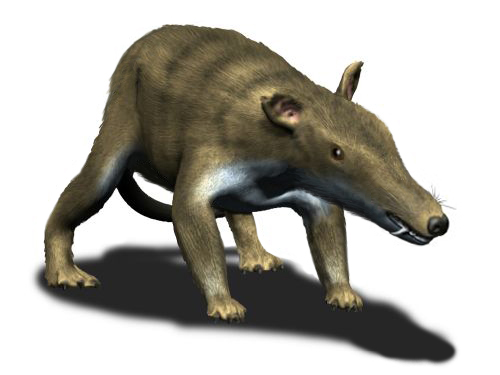


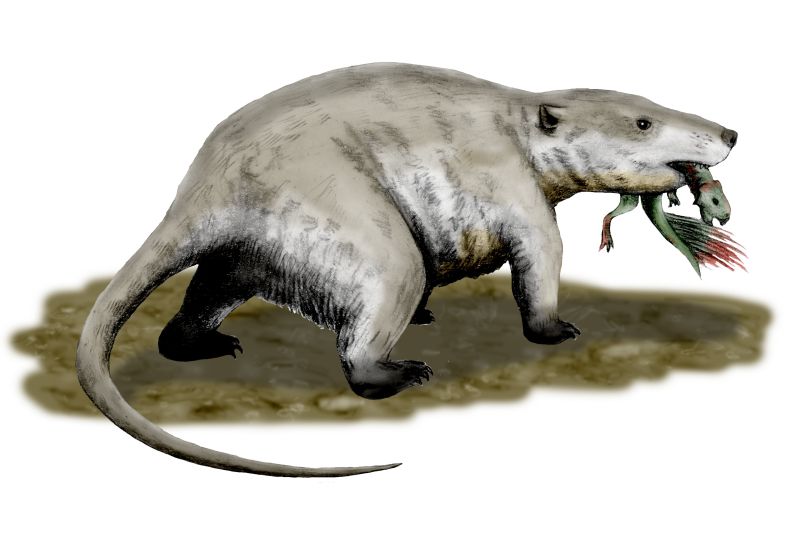

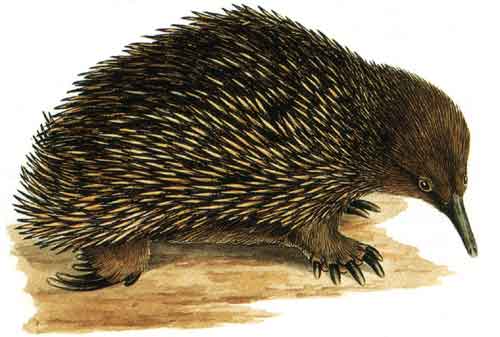
Key characteristics
Members of Theria share a suite of anatomical and reproductive traits: internal fertilization, live birth (viviparity), complex teeth often with tribosphenic‑type ancestors, a neocortex in the brain, hair, and the three middle ear bones typical of mammals. Many therian features relate to parental care and developmental strategies, such as lactation and prolonged juvenile care. The exact form of reproduction varies between the subgroupings within Theria.
Classification and living groups
Theria is conventionally split into two infraclasses. Metatheria comprises the marsupials, best known for giving birth to relatively undeveloped young that often continue development in a pouch; representative groups include kangaroos, opossums and koalas (marsupials). Eutheria consists of the placental mammals, which typically develop longer in utero supported by a complex placenta and include rodents, primates, cetaceans and bats (placentals).
Evolutionary background
The therian lineage arose in the Mesozoic era and is documented in the fossil record by small, early mammals that display dental and skull features linking them to modern groups. Fossil evidence indicates a split between metatherian and eutherian lineages early in mammal evolution; afterwards, therians diversified into a wide range of body plans and ecological roles. The extinction events that closed the age of dinosaurs are associated with a major adaptive radiation among therians.
Reproductive and developmental contrasts
- Marsupials (Metatheria): typically brief gestation, birth of altricial (undeveloped) young, extended lactation and often a maternal pouch.
- Placentals (Eutheria): generally longer gestation supported by a more invasive or complex placenta, producing relatively advanced offspring at birth.
These reproductive differences have ecological consequences: placentals can invest in longer in‑womb growth while many marsupials invest in prolonged postnatal care. Both strategies are successful in different environments.
Importance and notable facts
Therians constitute the vast majority of living mammal species and occupy nearly every terrestrial and many aquatic niches. Their diversity underpins key ecosystems and human economies, from pollination and seed dispersal to domesticated animals. Conservation pressures affect many therian species, making knowledge of their biology and evolution important for biodiversity preservation. For further general context see articles on eggs and reproduction (egg) and on the broader mammal group (mammals).
For taxonomic details and paleontological evidence consult specialist sources on Metatheria, Eutheria, and summaries of living groups such as marsupials and placentals.
Related articles
Author
AlegsaOnline.com Theria — the live‑bearing subclass of mammals Leandro Alegsa
URL: https://en.alegsaonline.com/art/99285