
Amanita: overview of the mushroom genus, identification, and medical importance
Amanita is a global genus of basidiomycete mushrooms that includes some of the deadliest species. This article covers appearance, toxins, ecology, history and safety considerations.
Overview
The genus Amanita groups a variety of gilled fungi within the Basidiomycota. Members of this genus range from edible species to those among the most toxic mushrooms known. They occur across temperate and tropical regions worldwide and are notable both for their distinctive fruiting bodies and their medical importance. Many descriptions call attention to a few well-known species, including the "death cap" (Amanita phalloides), which is responsible for a large share of fatal mushroom poisonings.
Image gallery
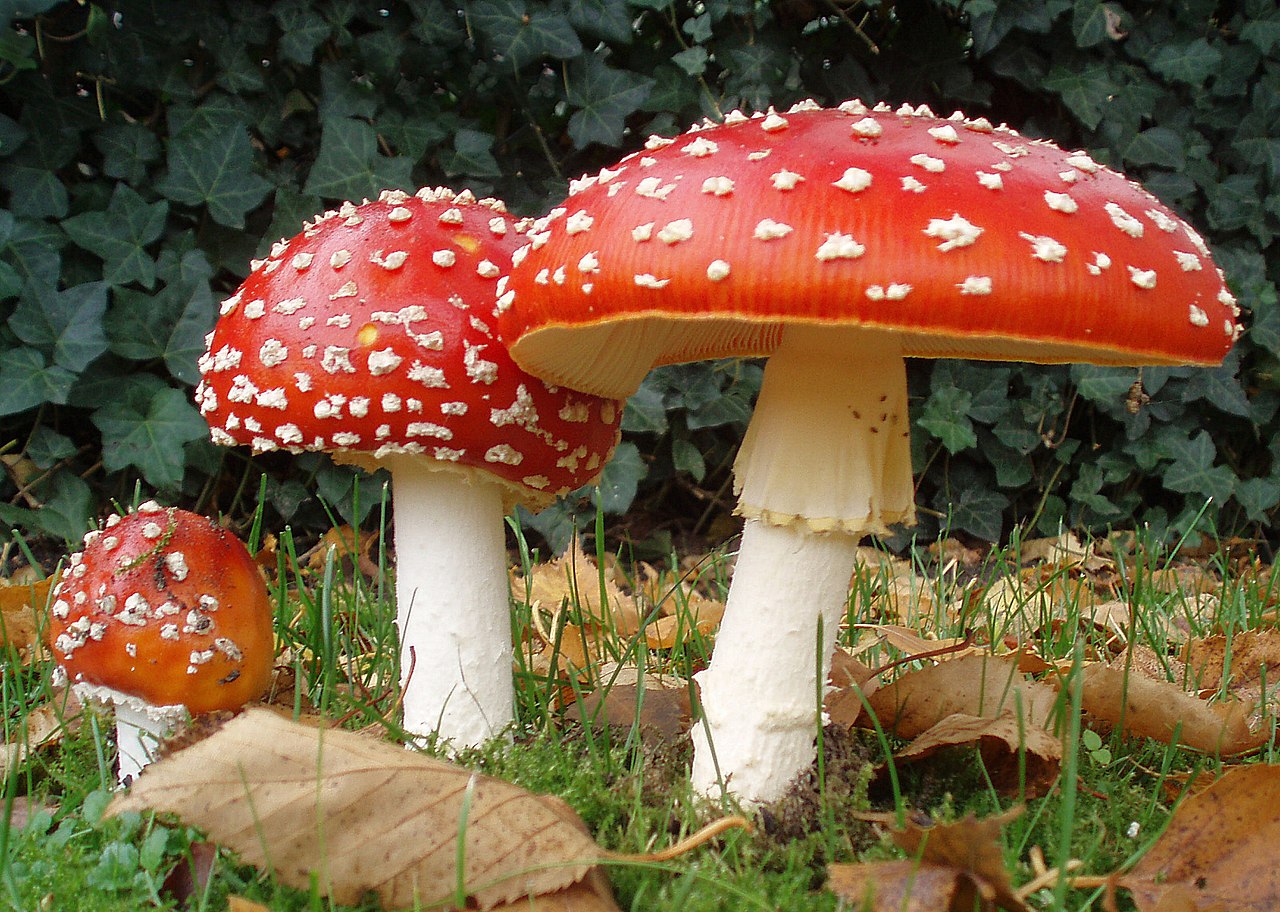
10 Images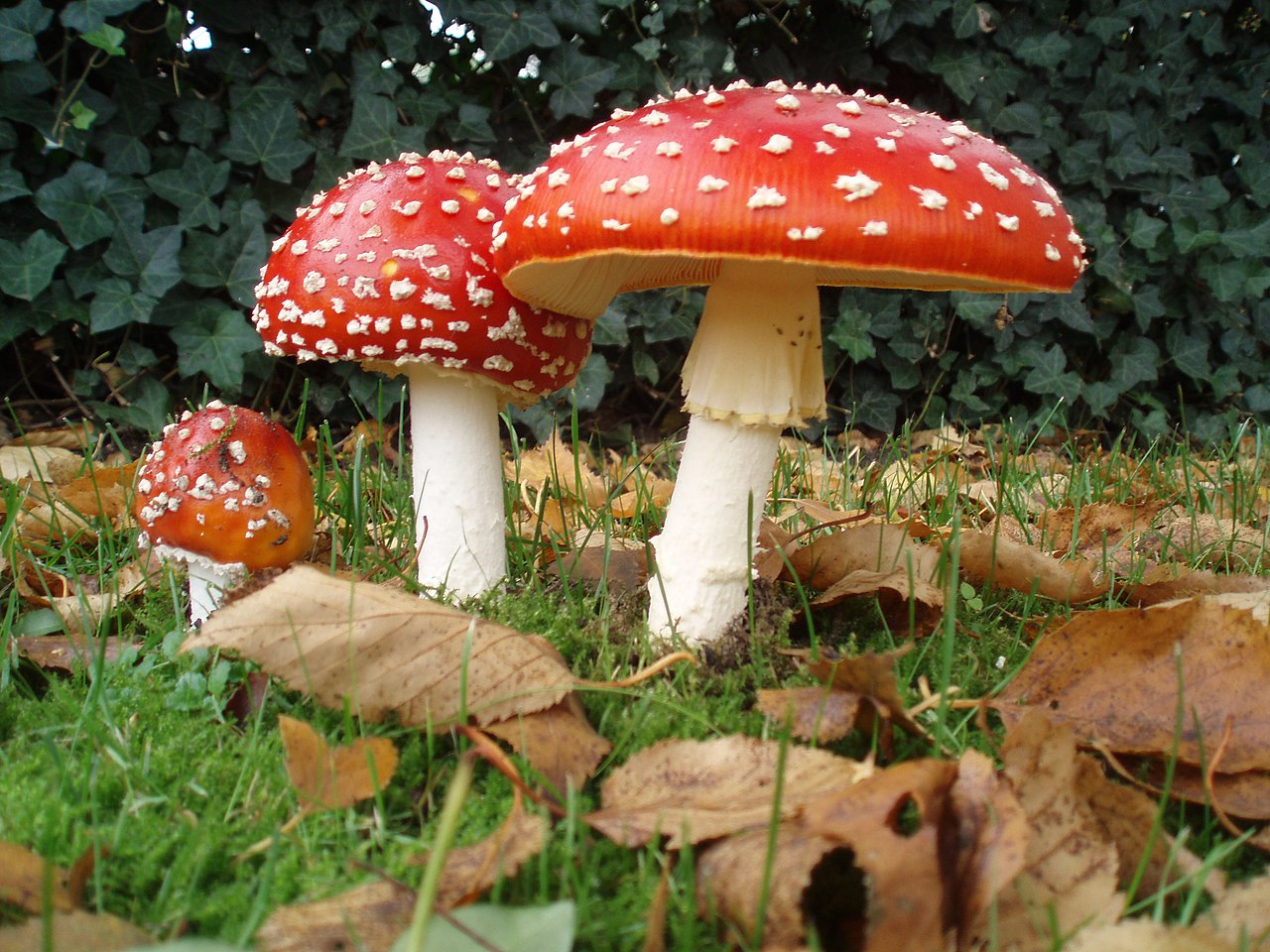





Key characteristics and structure
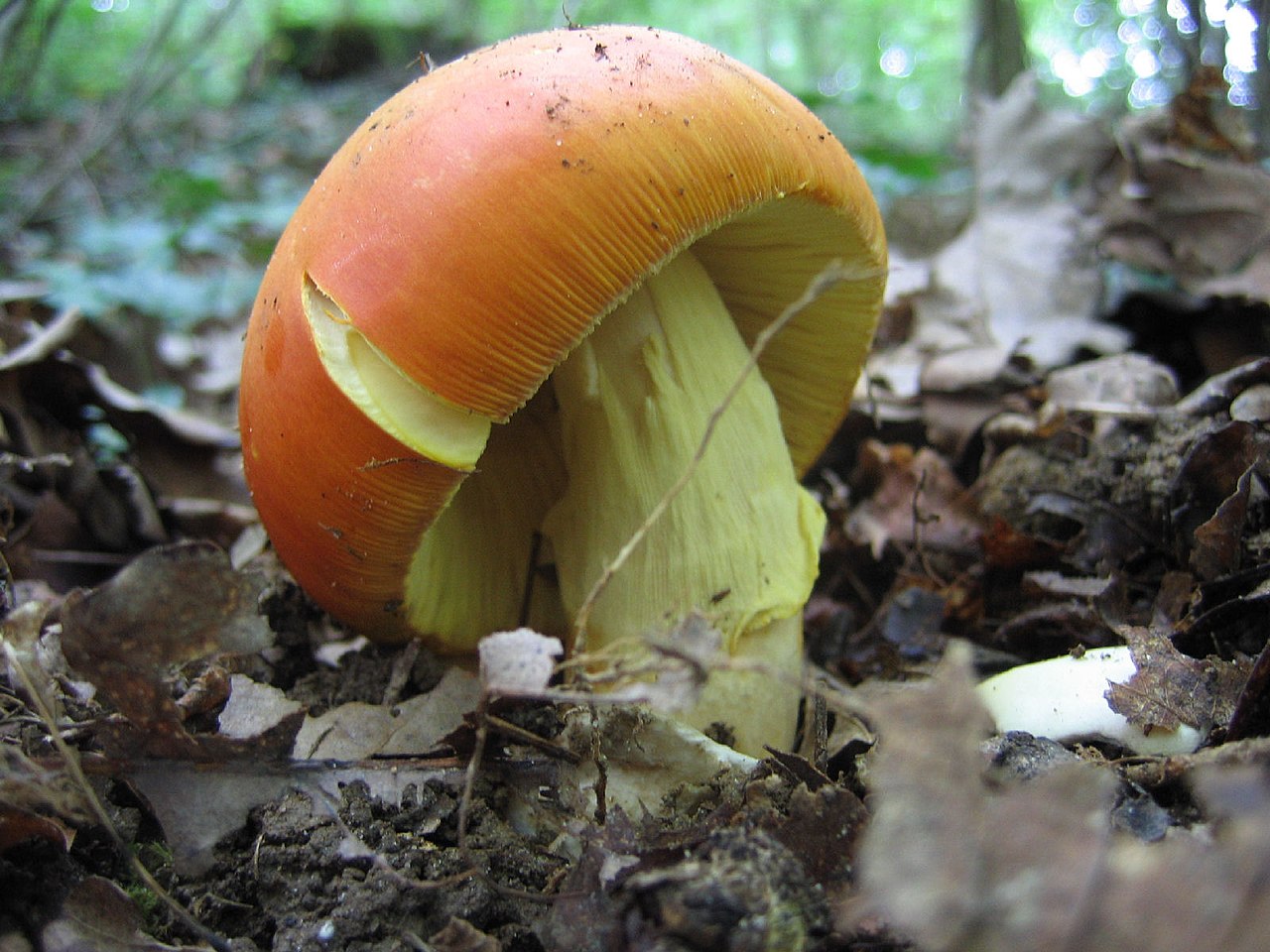
Amanitas typically form solitary to scattered mushrooms with a central stipe (stem), a cap that may be smooth or adorned with warts, and free gills underneath the cap. Several macroscopic traits help with identification, though accurate determination often requires experience. Common visible parts include:
- Cap: varying colors and surface textures; sometimes with remnants of a universal veil appearing as warts.
- Gills: free from the stem and usually white or pale.
- Annulus (ring): a skirt-like ring on the stem in many species, marking the partial veil.
- Volva: a cup-like structure at the base, remnant of the universal veil—an important diagnostic feature.
- Spore print: typically white, useful in distinguishing Amanita from other genera.
Toxins and medical importance
Several Amanita species contain potent cyclic peptide toxins. The most notorious group are the amanitins, of which at least eight chemically related variants exist and which are particularly associated with severe liver injury. These compounds interfere with cellular transcription processes and can lead to delayed but life-threatening hepatic and renal failure. The genus is implicated in a high proportion of lethal mushroom poisonings—commonly cited estimates attribute roughly 95% of fatal cases to Amanita species, with the death cap alone responsible for about half of those deaths. Clinical presentation often begins with gastrointestinal upset after a latent period and may progress to multi-organ impairment.
Species, distribution and history
Amanita includes both familiar edible species and hazardous ones; cultural attitudes toward foraging have led to regional knowledge and caution. The history of scientific study of the genus traces back to early mycologists who classified these striking fungi by their veil structures and reproductive features. They form ectomycorrhizal relationships with many trees, meaning they exchange nutrients with plant roots and play a role in forest ecosystems.
Ecology, uses and notable facts
Ecologically, Amanita species are important mycorrhizal partners that can influence tree health and soil nutrient cycles. They are not generally used in commerce due to identification risks; however, some cultures do collect particular edible Amanitas with confidence. Because of the severe toxicity associated with certain species, public health advice emphasizes extreme caution: learn local species, avoid picking white-gilled mushrooms unless expertly identified, and consult reliable sources regarding safety. For medical and toxicology reference see poisoning guidance and biochemical resources such as toxin databases.
Distinctions and safety notes
Identification can be challenging because a few edible Amanitas resemble toxic relatives. Important distinctions often rely on the presence or absence of a volva, the cap surface, spore print color, and habitat. For general taxonomy and mycological context see an overview of basidiomycete fungi at Basidiomycota reference. Field guides, local mycological clubs, and expert consultation are recommended for anyone collecting wild mushrooms. When in doubt, treating unknown specimens as potentially toxic is the safest approach.
For further reading or authoritative references, consult specialized mycological literature and regional health advisories; basic access points and summaries are available through linked resources: genus overview, notable species, basidiomycete context, poisoning information, and toxin details.
Questions and answers
Q: What is the genus Amanita?
A: Amanita is a genus of basidiomycete mushrooms, which include some of the most toxic species known.
Q: Where can Amanita mushrooms be found?
A: Amanita mushrooms can be found worldwide.
Q: What is responsible for the majority of fatalities resulting from mushroom poisoning?
A: The genus Amanita is responsible for approximately 95% of the fatalities resulting from mushroom poisoning.
Q: Which species of Amanita accounts for about 50% of fatalities on its own?
A: The death cap, a species of Amanita, accounts for about 50% of fatalities on its own.
Q: What is the most potent toxin present in Amanita mushrooms?
A: The most potent toxin present in Amanita mushrooms is amanitin.
Q: How many versions of amanitin are known?
A: At least eight versions of amanitin are known.
Q: What do we know about the toxicity of Amanita mushrooms?
A: Amanita mushrooms are known to be highly toxic and can be deadly if ingested, with amanitin being the most potent toxin present in these mushrooms.
Related articles
Author
AlegsaOnline.com Amanita: overview of the mushroom genus, identification, and medical importance Leandro Alegsa
URL: https://en.alegsaonline.com/art/3216
Sources
- doi.org : 10.1016/S0041-0101(03)00238-1
- pubmed.ncbi.nlm.nih.gov : 14505933
- doi.org : 10.1007/BF00429124
- pubmed.ncbi.nlm.nih.gov : 567964