
Alder (Alnus): ecology, identification, uses and notable species
Alders (genus Alnus) are temperate trees and shrubs in the birch family; they stabilize wet soils, host nitrogen‑fixing bacteria, provide early pollen for insects, and supply versatile timber and charcoal.
Overview
Alders are broadleaf trees and shrubs in the genus Alnus, comprising roughly about 30 species distributed across the temperate and boreal regions of the northern hemisphere. They belong to the birch family (Betulaceae) and are common pioneers on wet, poor or disturbed soils. Most alders are relatively small compared with large forest trees, and many establish quickly in riparian zones and floodplains.
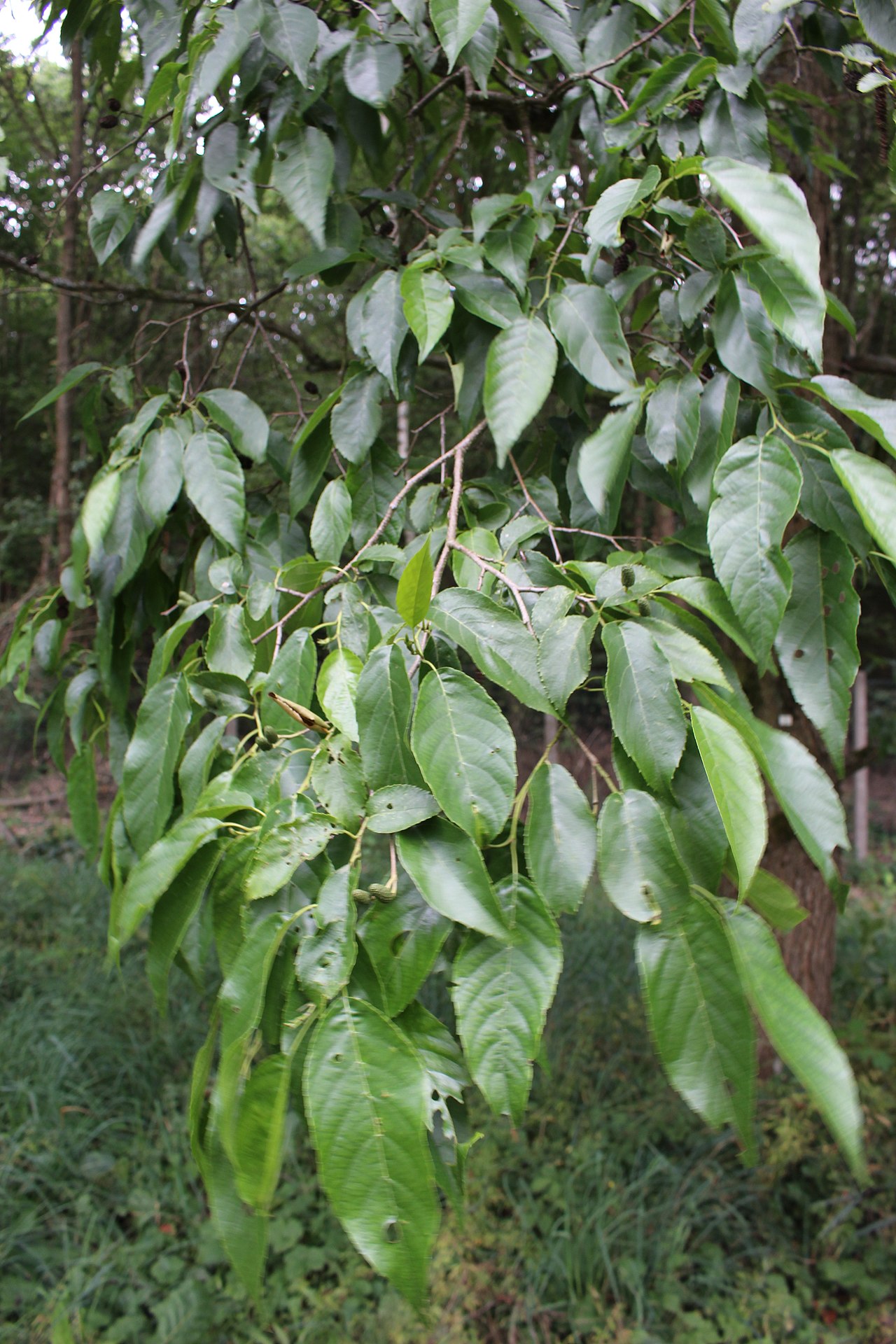
Alders include both trees and shrubs, with growth forms that range from multi‑stem thickets to single‑stem trees. Leaves are simple and usually toothed; most species are deciduous, although a few retain foliage and are effectively evergreen in mild climates.
Image gallery
10 Images




Identification and reproductive features
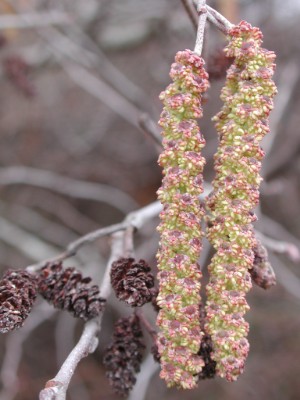
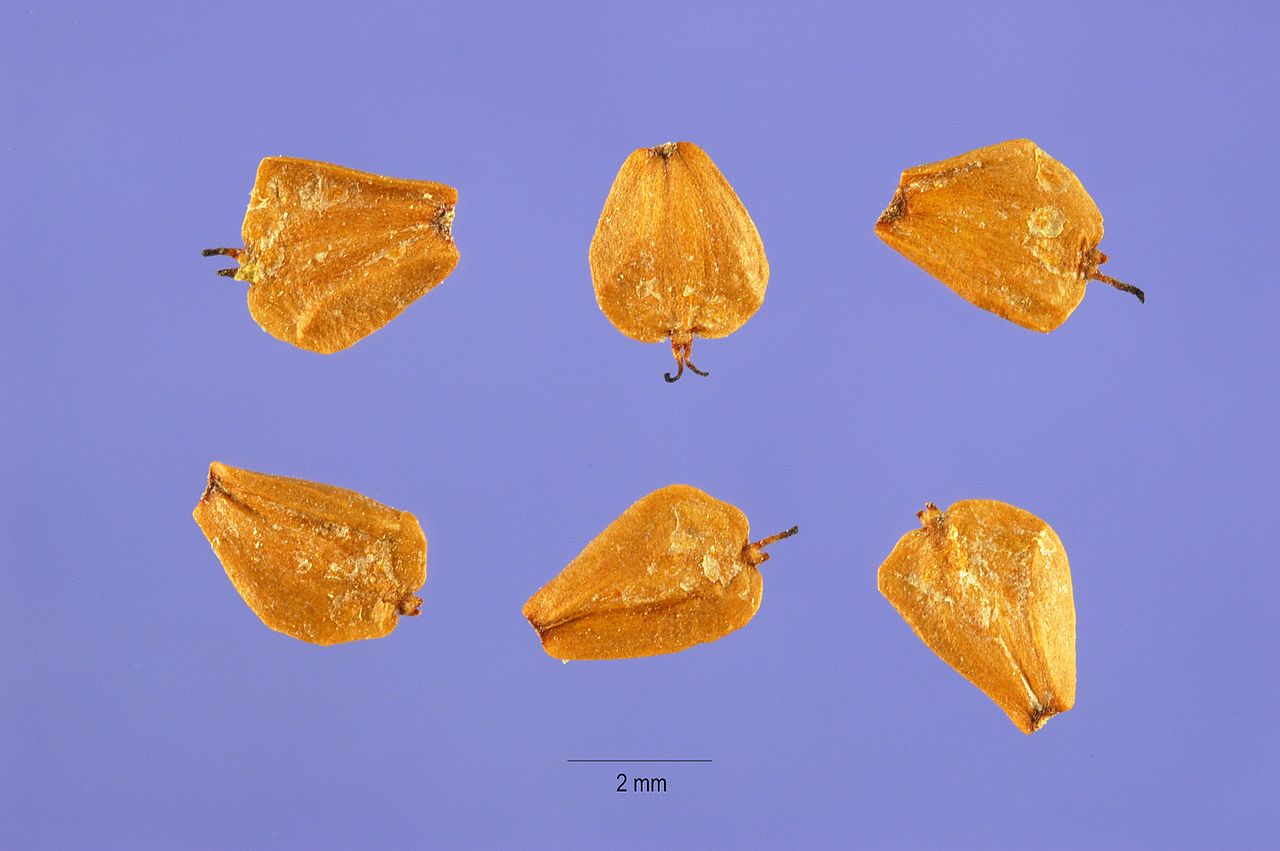
Characteristic features include alternate leaf arrangement, serrated margins, and separate male and female catkins. The male catkins are long and pendulous, while the female catkins are smaller and more compact; after pollination the female structures mature into woody, cone‑like strobiles that release tiny winged seeds when opened. Pollination is primarily by wind, and alder pollen is an important early spring resource for some insects and can also be a seasonal allergen for people.
Ecology, nitrogen fixation and habitat
Alders frequently colonize wet or nutrient‑poor ground. A notable ecological trait is their symbiotic relationship with nitrogen‑fixing actinobacteria (Frankia) that form root nodules; this enriches soils and aids succession by improving fertility for later‑growing species. Because of this and their dense root systems, alders are widely used for bank stabilization and as nurse trees in restoration planting.
Uses and cultural importance
Alder wood is valued in many traditional and modern uses. It works readily and takes stains and finishes well, making it suitable for furniture, cabinetry and turned objects. Waterlogged alder resists decay and historically was used for submerged foundations and piles in wet sites. Alder bark and wood have been used for tanning and as a source of charcoal, while early spring catkins and buds attract bees and other pollinators. Common human uses include:
- Riparian and erosion control planting
- Coppicing and biomass production
- Woodworking for smoked foods and small craft
- Ecological restoration as a pioneer species
Notable species and conservation
Well‑known species include the Black or Common Alder (Alnus glutinosa), widespread across Europe, and the Red Alder (Alnus rubra), native to North America and noted for reaching greater heights than most relatives. Shrubby forms such as the Green Alder (Alnus viridis) remain low in stature. Many alders are locally abundant, but populations can be affected by pathogens and environmental change; for example, alder dieback linked to oomycetes and other agents has been reported in parts of Europe. Some species are also valued as ornamental or shelterbelt plants in temperate landscapes (native and planted ranges).
Alders serve an outsized ecological role relative to their size: they improve soil fertility, support early‑season wildlife, and stabilize vulnerable landscapes, making them important components of many temperate and boreal ecosystems.
Related articles
Author
AlegsaOnline.com Alder (Alnus): ecology, identification, uses and notable species Leandro Alegsa
URL: https://en.alegsaonline.com/art/2218