
Alismatales: an order of aquatic and marsh monocots
Alismatales is an order of predominantly aquatic and marsh-dwelling monocot flowering plants, comprising roughly 14 families. They are important ecologically and include water-plantains, aroids, and seagrasses.
Overview
Alismatales is an order of monocotyledonous flowering plants that is best known for species adapted to marshy and aquatic environments. The order contains roughly 14 families and includes a wide range of growth forms from submerged seagrasses to emergent wetland herbs. Many members are ecologically important components of freshwater and coastal ecosystems.
Image gallery
4 Images

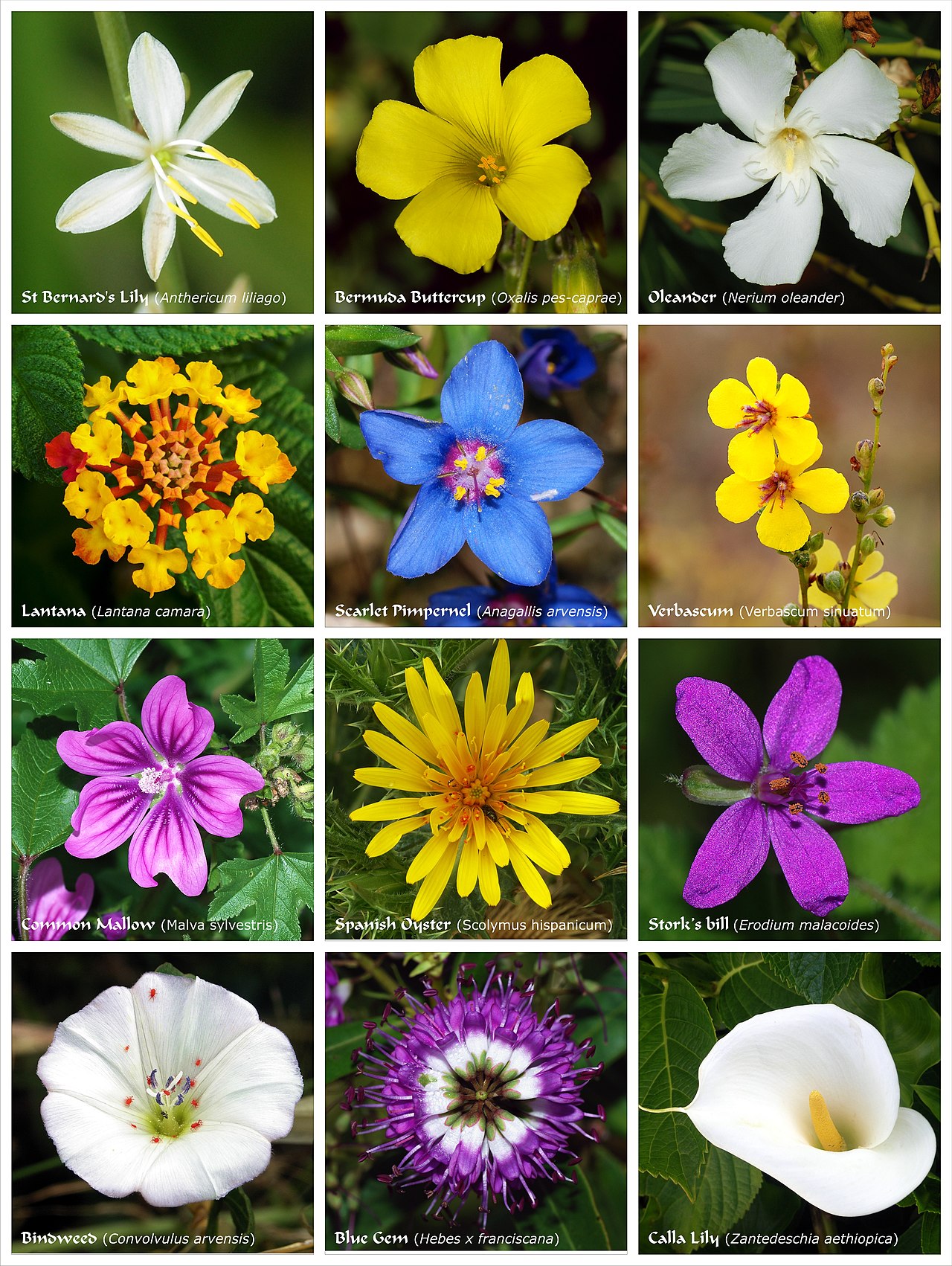

Key characteristics
Plants in Alismatales are generally herbaceous and, in many cases, long-lived perennials with rhizomes or tubers. Leaves can be submerged, floating, or emergent and often have simple shapes adapted to water or wet soils. Flowers and fruits vary between families: some are showy and insect-pollinated while others have traits suited to wind or water dispersal.
Adaptations and morphology
Members of the order show a suite of adaptations to wet habitats, including aerenchyma (air-filled tissue) for oxygen transport in waterlogged soils, flexible petioles or straplike leaves to tolerate currents, and reproductive strategies that work underwater or at the water surface. Some families include classic aquatic ornamentals and widely used plants in restoration and aquaculture.
Ecology, uses, and examples
Alismatales taxa play central roles in wetlands and shallow coastal zones by stabilizing sediments, providing food and shelter for animals, and improving water quality. Several species are cultivated as ornamentals, used in aquaria, or employed in habitat restoration. Well-known groups associated with the order include water-plantains and the aroid relatives; seagrasses and other submerged plants are also represented.
Classification and notable facts
The circumscription of Alismatales has been refined under modern classification systems; families once placed elsewhere have been grouped here based on molecular and morphological evidence. Not all members are strictly aquatic—some are terrestrial or live in damp soils—and floral structures vary widely across the order. For further reading, see general references on monocots and aquatic plant ecology: Monocot overview, wetland plants, aquatic habitats, seagrass ecology, and plant classification.
- Habitat: freshwater and coastal, marshes, swamps, shallow water
- Growth form: submerged, floating-leaved, emergent, or terrestrial herbs
- Importance: ecosystem services, ornamentals, restoration
Related articles
Author
AlegsaOnline.com Alismatales: an order of aquatic and marsh monocots Leandro Alegsa
URL: https://en.alegsaonline.com/art/2639