
Pollen: the male gametophyte and microscopic carrier of plant sperm
Pollen is the microscopic powder composed of male gametophytes in seed plants. It carries sperm cells, enables fertilization, fuels pollinators, and is used in allergy diagnosis, ecology, and palynology.
Overview
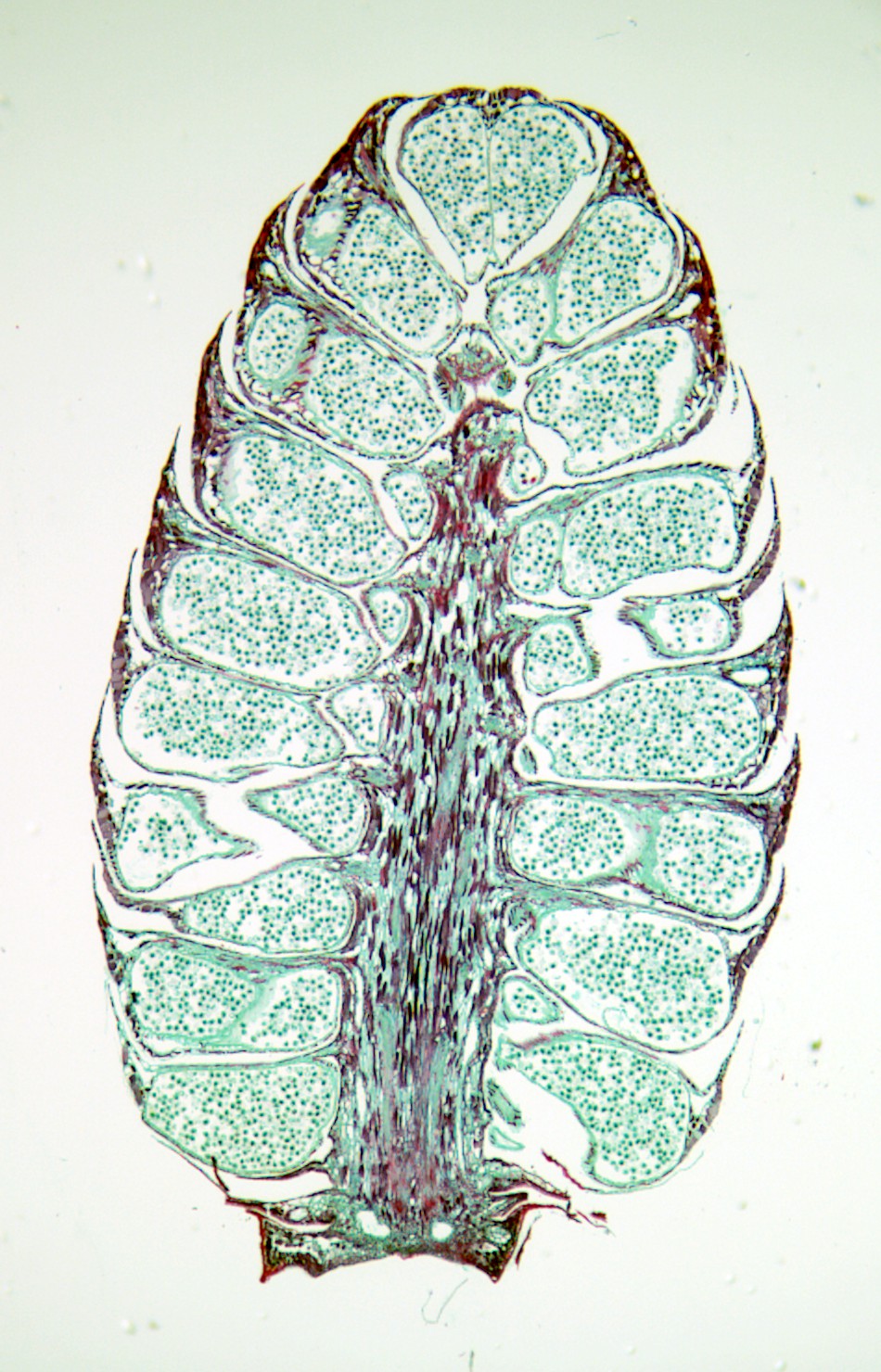
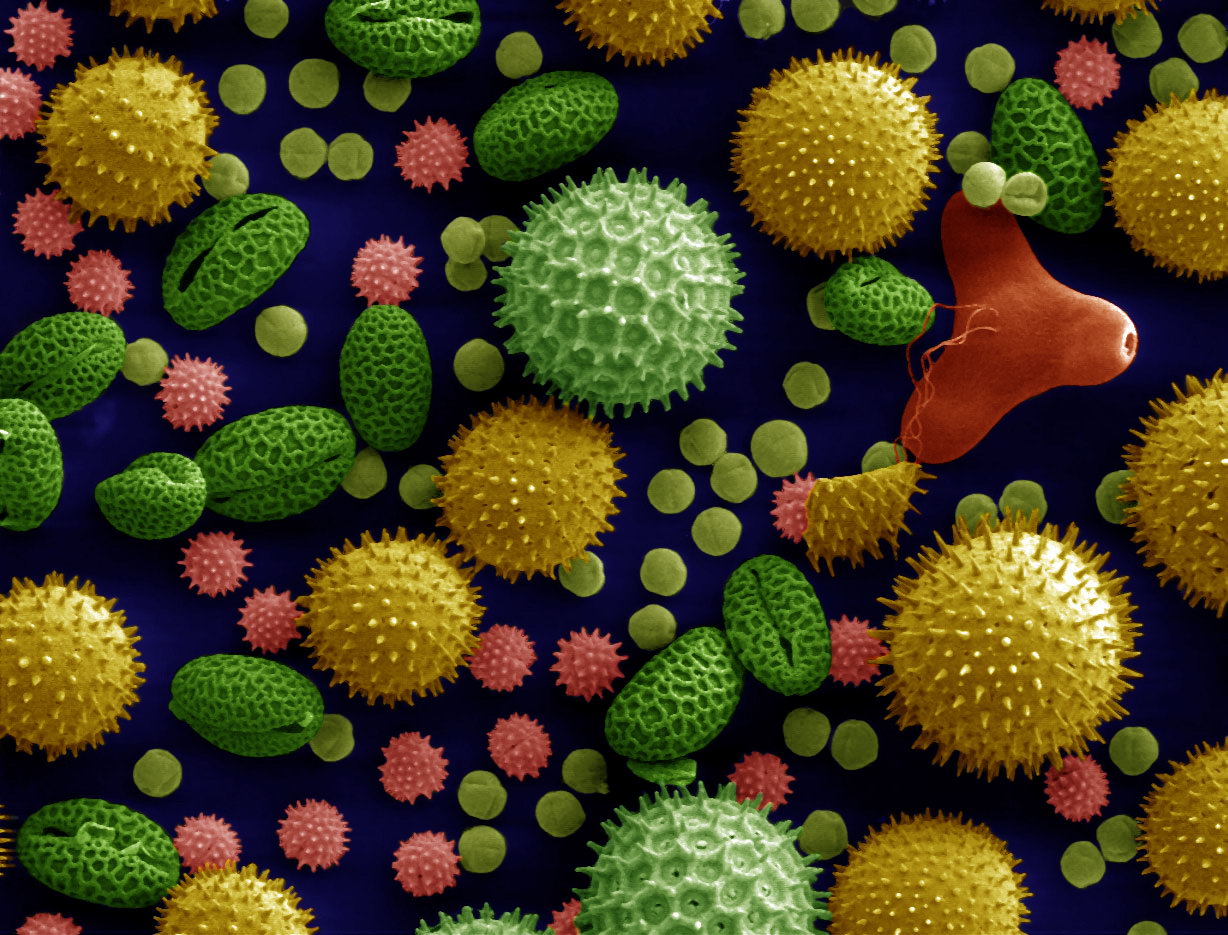
Pollen is a fine powder produced by seed-bearing plants. Each grain is a tiny male gametophyte that develops to deliver sperm cells for sexual reproduction of flowering plants (angiosperms) and gymnosperms. Pollen grains vary widely in size, shape and surface patterning, reflecting different evolutionary strategies for protection and dispersal.
Image gallery
10 Images


Structure and development
Individual pollen grains usually have a tough outer wall (exine) and a softer inner layer (intine). During formation, specialized plant tissues undergo microsporogenesis and microgametogenesis to produce the mature grain. The genetic content of a pollen grain is typically haploid, containing one set of chromosomes; after pollen germinates on a compatible stigma it produces a pollen tube that carries sperm cells to the ovule.
Dispersal and ecological roles
- Wind-dispersed pollen: light, abundant grains from grasses and many trees.
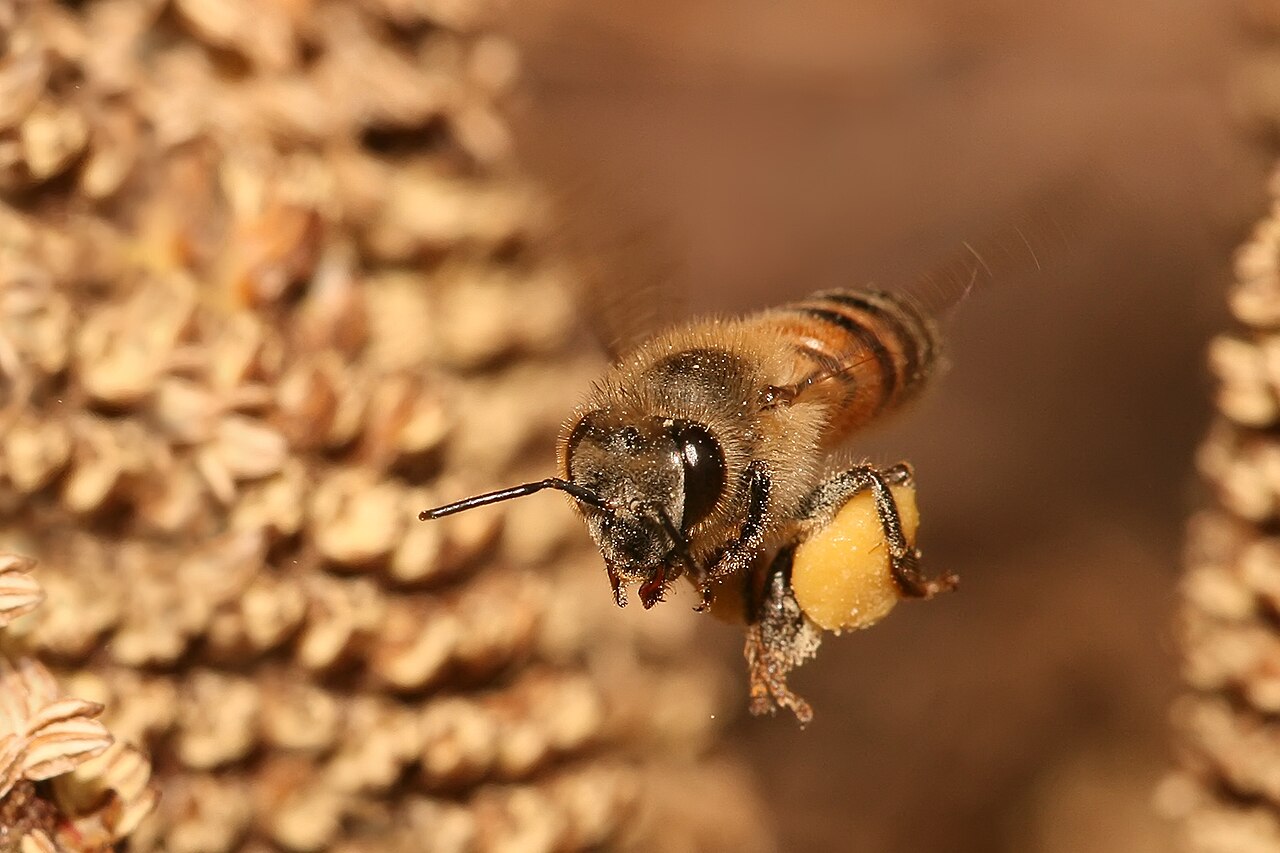
- Animal-dispersed pollen: often sticky or spiky to attach to insects, birds or bats.
- Water and self-pollination: specialized modes in some species.
Pollen is a vital food source for many insects and plays a central role in plant-pollinator interactions that sustain ecosystems and crop production.
Human relevance and applications
Pollen causes allergic reactions in sensitive people (hay fever) and is quantified in public health advisories. Scientists study fossil pollen in palynology to reconstruct past climates and vegetation. Pollen analysis can also assist in forensic investigations and in monitoring air quality and plant biodiversity.
Notable distinctions
Pollen should be distinguished from spores: pollen carries male genetic material for seed plants, while spores are reproductive units in non-seed plants and fungi. The enormous morphological diversity of pollen grains makes them useful for species identification by specialists and for linking plants to their pollinators and habitats.
Related articles
Author
AlegsaOnline.com Pollen: the male gametophyte and microscopic carrier of plant sperm Leandro Alegsa
URL: https://en.alegsaonline.com/art/77805
Sources
- commons.wikimedia.org : Pollen