
Aloe vera: overview, characteristics, uses, cultivation and safety
Aloe vera is a succulent plant widely grown for its fleshy leaves and inner gel; used in cosmetics, food and traditional medicine. This article covers its traits, history, uses, cultivation and safety considerations.
Overview
Aloe vera is a succulent plant in the genus Aloe, commonly cultivated worldwide for its fleshy leaves and the clear gel they contain. Often marketed simply as "aloe," the species is frequently listed under names such as Aloe vera or Aloe barbadensis Miller. Native to arid regions of the Arabian Peninsula, it has long been naturalized in tropical and subtropical areas and is a common houseplant due to its drought tolerance and low maintenance needs. For basic taxonomic context see species information.

Image gallery
10 Images





Characteristics and parts
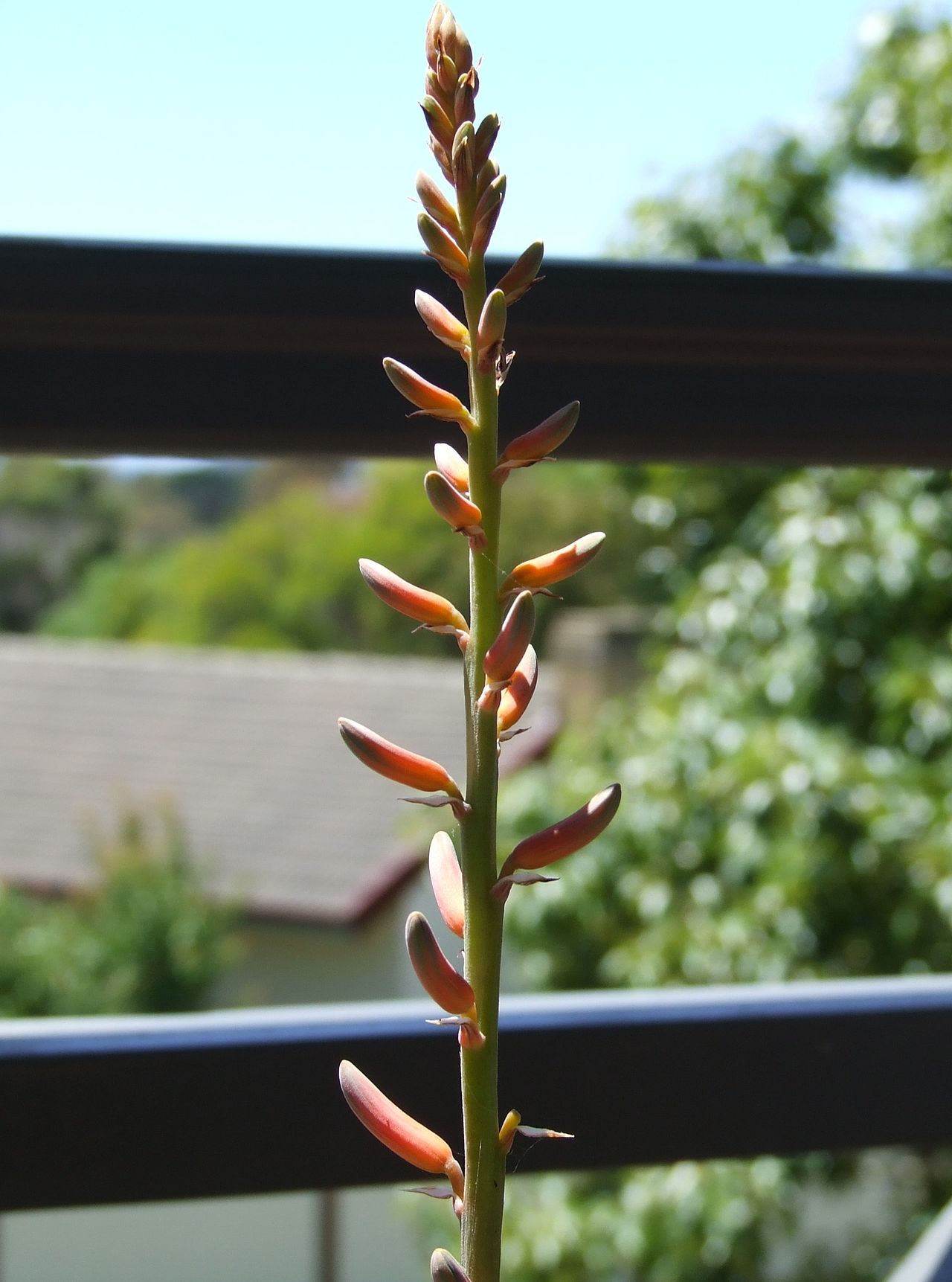
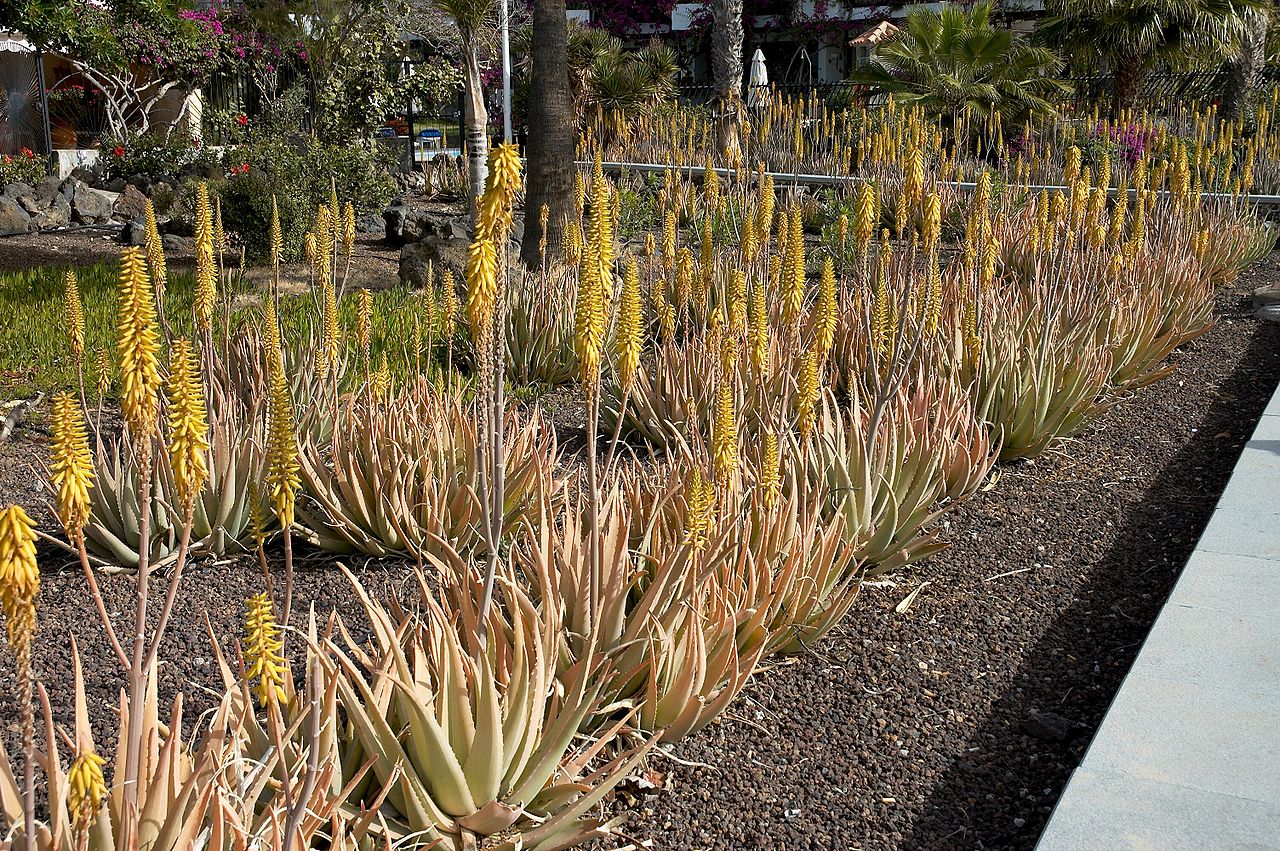
Aloe vera typically forms a rosette of thick, green to grey-green leaves with small teeth along the margins. Each leaf contains two distinct materials: a clear inner gel and a yellowish latex beneath the skin. The inner gel is composed mainly of water and polysaccharides and is the portion most often used in topical preparations. The latex contains bitter compounds (anthraquinones) that have strong laxative effects when taken orally. Flowers are tubular and usually appear on a spike; they may be yellow, orange, or red depending on growing conditions. For botanical details and comparisons, consult succulent plant guides and genus overviews.

History and cultural uses
Aloe species have an extensive history of use in traditional medicine and cosmetics across many cultures. Historical accounts cite their application for skin care and wound treatment for centuries, and they appear in the herbal traditions of ancient civilizations. Over time, commercial interest transformed the plant into a global commodity for cosmetics, topical gels and beverages. For historical summaries and cultural context see genus histories and regional botanical references such as Arabian Peninsula flora.
Modern uses and products
Aloe vera is used in a wide range of consumer products, including lotions, creams, after-sun products, cosmetics, juices and dietary supplements. The inner gel is prized for its cooling texture and is commonly applied to minor skin irritations, while processed juices and drinks use diluted gel or extracts. Commercial formulations vary greatly in concentration and processing, and packaging may not always make clear whether a product contains true inner-gel extract or other components. For product types and food preparations see consumer product guides and cosmetic ingredient references.

Evidence, safety and notable concerns
Scientific evidence for aloe's effectiveness is mixed. Some small studies suggest that topical aloe gel can provide symptomatic relief for minor burns or sunburn, but high-quality clinical trials are limited and results vary depending on preparation and study design. Oral use of aloe latex is associated with strong laxative effects and can cause abdominal cramping, diarrhea and electrolyte changes; long-term or high-dose use is discouraged. Topically, some people develop allergic contact dermatitis to aloe products. Pregnant or breastfeeding individuals and people taking certain medications (for example, drugs that affect blood sugar or cause electrolyte imbalance) should consult a healthcare provider before using internal aloe products. Regulatory bodies have also cautioned against unverified medical claims on product labels; for safety summaries and guidelines see health advisories.

Cultivation and common distinctions
Aloe vera is popular as an ornamental and houseplant because it tolerates infrequent watering and prefers bright light and well-draining soil. It is commonly propagated by offsets (sometimes called "pups") produced around the base. Distinctions to note: "aloe" can refer to several species, so products labeled simply as aloe may derive from different plants; and the inner gel used for topical applications is distinct from the latex, which is the source of strong laxative compounds. Practical cultivation tips and species comparisons are available in horticultural guides and plant care resources linked earlier in this article.
Summary
Aloe vera remains a widely used plant valued for its gel and ease of cultivation. While it has a long tradition of topical use and broad presence in consumer goods, evidence for medical benefits is limited and safety concerns—especially with oral ingestion—mean users should choose products carefully and seek medical advice when necessary.
Questions and answers
Q: What is Aloe vera?
A: Aloe vera is a species of succulent plant in the genus Aloe. It is originally from the Arabian Peninsula but it grows wild in tropical climates around the world.
Q: Where does Aloe vera grow?
A: Aloe vera grows wild in tropical climates around the world.
Q: Is Aloe vera a popular houseplant species?
A: Yes, Aloe vera is a popular houseplant species.
Q: What products are made with Aloe vera?
A: Products made with aloe vera include drinks, skin lotion, cosmetics, and ointments for small burns and sunburns.
Q: Is there scientific evidence that aloe vera works for treating burns or sunburns?
A: No, there is little scientific evidence that aloe vera works for treating burns or sunburns or that it is safe for treating them.
Q: Are there any special types of aloe drinks? A: Yes, Es lidah buaya is an Indonesian type of aloe drink and Gelaloevera is a type of aloe juice.
Related articles
Author
AlegsaOnline.com Aloe vera: overview, characteristics, uses, cultivation and safety Leandro Alegsa
URL: https://en.alegsaonline.com/art/2921
Sources
- tropicos.org : Aloe vera (L.) Burm. f.
- theplantlist.org : Aloe vera (L.) Burm.f. is an accepted name
- homeguides.sfgate.com : "Is Aloe a Tropical Plant?"