
Alliaceae — the onion family (Allioideae)
Alliaceae traditionally denotes the onion family: bulbous, often pungent flowering plants in the order Asparagales, including onions, garlic and ornamental alliums; now commonly treated as Allioideae within Amaryllidaceae.
The name Alliaceae has long been used for a group of bulb-forming, mostly perennial plants known for their characteristic aroma and clustered flowers. These plants are temperate to subtropical in distribution and are familiar in both kitchen gardens and ornamental borders. Modern botanical treatments often place the group within a subfamily, Allioideae, of a broader Amaryllidaceae; historically many authors recognized Alliaceae as a separate family in the order Asparagales.
Image gallery
4 Images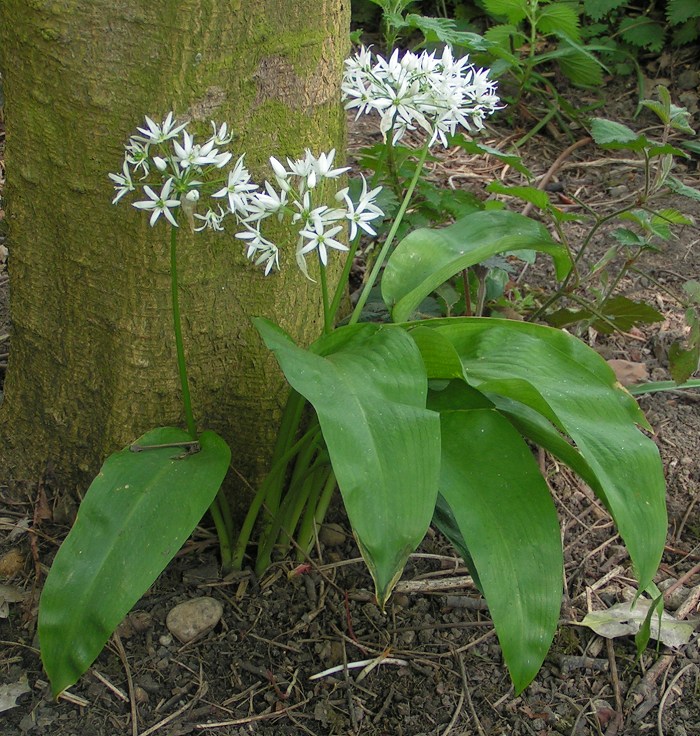


General characteristics
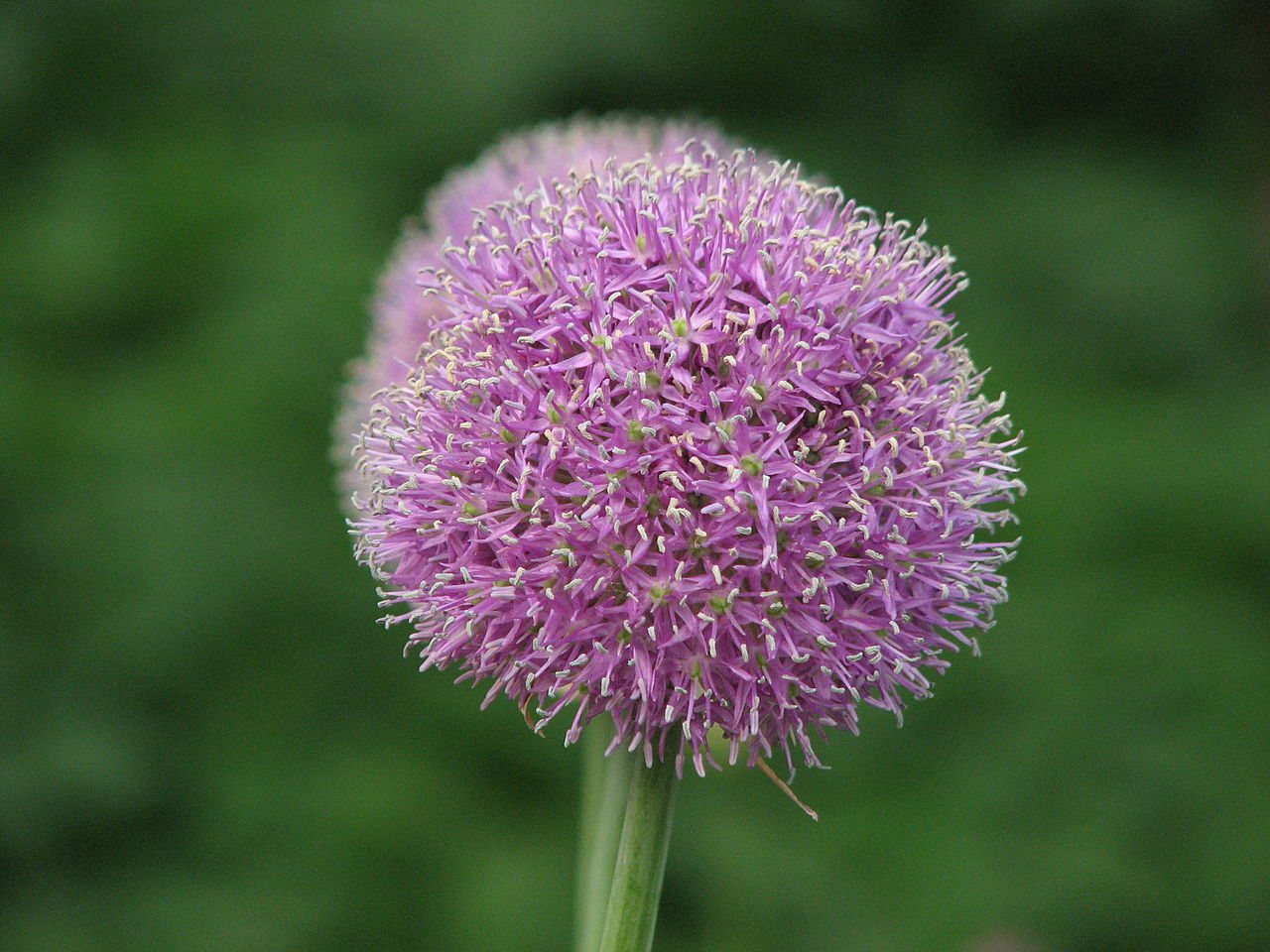
Members are typically herbaceous perennials with bulbs or sometimes rhizomes, producing a leaf rosette and a leafless flowering stalk (scape). Leaves are usually basal and strap-shaped. Inflorescences are most often umbels composed of small, star-shaped flowers. Flowers commonly have six tepals and six stamens; many species produce sulfur-containing compounds that give a distinctive pungent odor when tissues are crushed — a trait especially notable in culinary species.
Notable genera and uses
- Allium — the best known genus; includes onions, garlic, leeks, chives, shallots and many ornamental alliums used in gardens.
- Other garden or wild genera are valued for flowers or local uses; many species have traditional culinary, medicinal or insect-repellent roles.
Culinary use is the most widespread human connection: bulbs, stems and leaves provide flavoring and nutrients. Garlic, for example, has been used both as food and a folk medicine for centuries; its characteristic compound allicin forms after crushing.
Taxonomy and history
The circumscription of Alliaceae has changed with advances in plant systematics. Older classifications treated Alliaceae as a distinct family of monocots. Molecular phylogenetic studies have led to a tendency to subsume the group into Amaryllidaceae as the subfamily Allioideae, though some regional floras and horticultural literature still use the name Alliaceae. For a concise introduction to related groups see flowering plants resources and general descriptions of herbaceous perennials.
Distinguishing facts
Allioid plants are often easy to recognize by their bulbous growth, scape-borne umbels, and the garlic/onion scent in many species. They are economically significant for food production, horticulture and traditional medicine, and they illustrate how modern taxonomy reconciles long-standing, practical groupings with genetic evidence.
Related articles
Author
AlegsaOnline.com Alliaceae — the onion family (Allioideae) Leandro Alegsa
URL: https://en.alegsaonline.com/art/2814