
Aloe (genus of succulent plants)
Aloe is a genus of succulent plants with roughly 500 species. Known for fleshy, gel-filled leaves and tubular flowers, species are cultivated for ornament, traditional medicine, and commercial cosmetics.
Overview
Aloe is a diverse genus of succulent plants characterized by thick, water-storing leaves arranged in rosettes. The group contains around 500 accepted species and occurs mainly in Africa, the Arabian Peninsula and nearby islands. Many species are grown worldwide as houseplants and in warm-climate landscaping because of their distinctive form and drought tolerance. For a general introduction, see Aloe genus overview.
Image gallery
10 Images




Key characteristics
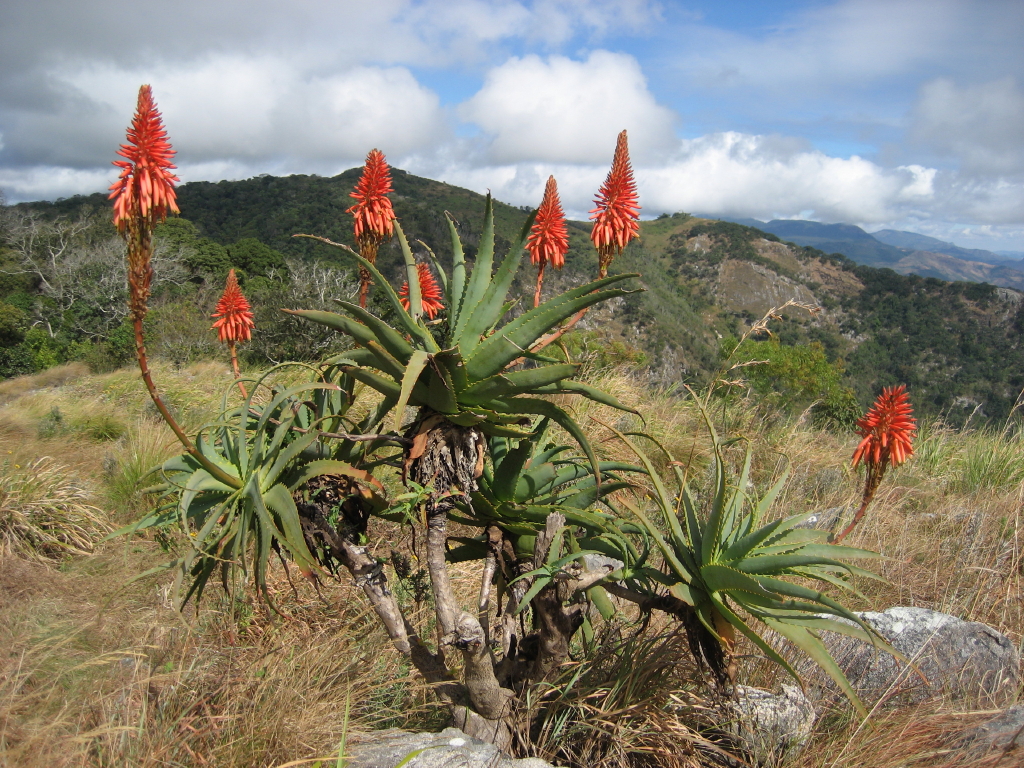
Aloe leaves typically contain a clear inner gel and a bitter outer sap, which have different traditional uses. Plants often use CAM (crassulacean acid metabolism) to minimize water loss. Inflorescences are usually erect spikes or racemes of tubular, often brightly colored flowers that attract pollinators such as birds and insects. Distinguishing features include leaf arrangement, presence of teeth or spines, and flower shape.
History and cultivation
Species of Aloe have been used by people for centuries in folk medicine, cosmetics and as ornamental plants. The most widely recognized species, Aloe vera, is cultivated extensively for its gel and extracts and appears in many skincare and healthcare products. Cultivation practices and commercial propagation are discussed in horticultural guides; see cultivation resources. The wild origins and historic range of some commonly cultivated species are often unclear; some authorities note that wild populations of Aloe vera are rare or uncertain in origin (wild status notes).
Uses and examples
- Traditional topical remedies for minor burns and skin irritations.
- Cosmetic and pharmaceutical extracts marketed for moisturizing and soothing properties.
- Ornamental use in gardens, containers and xeriscaping for drought-prone areas.
- Some species are grown for cut flowers due to their striking inflorescences.
Conservation and distinctions
A number of Aloe species face threats from habitat loss, overharvesting and illegal trade, prompting regional conservation measures. Aloes are sometimes confused with agaves and other succulents; key distinctions include growth habit and flower morphology. For additional species information and conservation status, consult botanical references and conservation databases such as species lists and resources.
Further reading
For practical advice and more detailed botanical descriptions, horticultural manuals and peer-reviewed plant guides provide identification keys, cultivation tips and conservation updates. Helpful starting points include general introductions and specialist resources available through botanical institutions and plant societies (see general resources and cultivation references).
Related articles
Author
AlegsaOnline.com Aloe (genus of succulent plants) Leandro Alegsa
URL: https://en.alegsaonline.com/art/2922