
Alfalfa (Medicago sativa): biology, cultivation and uses
Comprehensive overview of alfalfa (Medicago sativa): its characteristics, origin, cultivation, livestock and soil uses, varieties, and ecological importance.
Overview
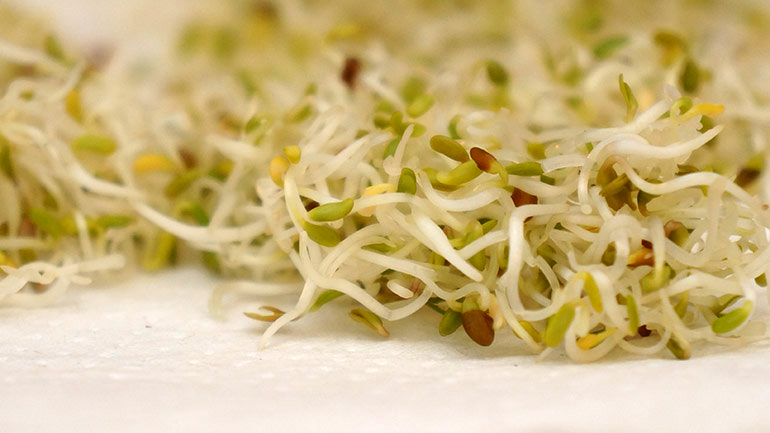
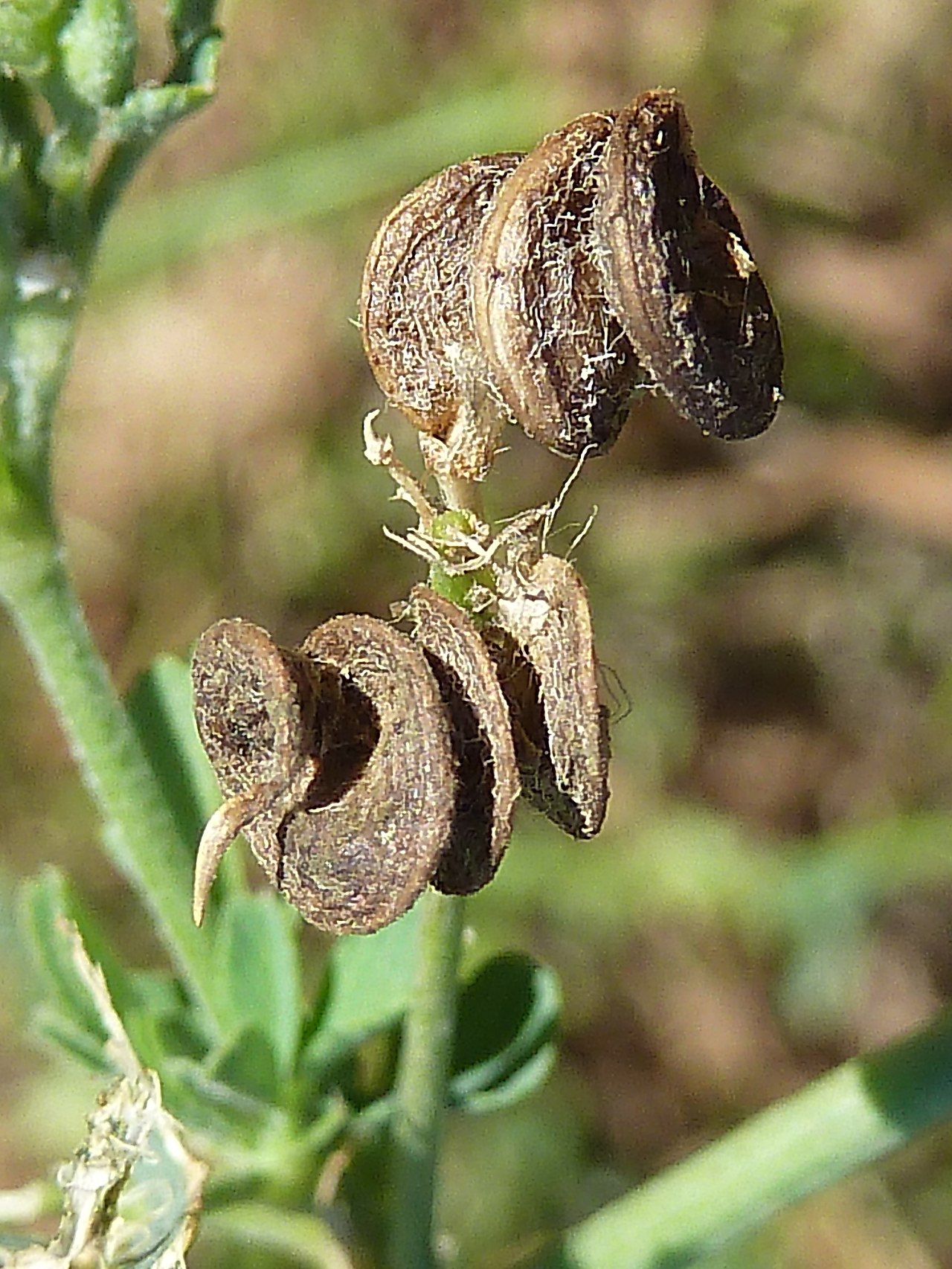
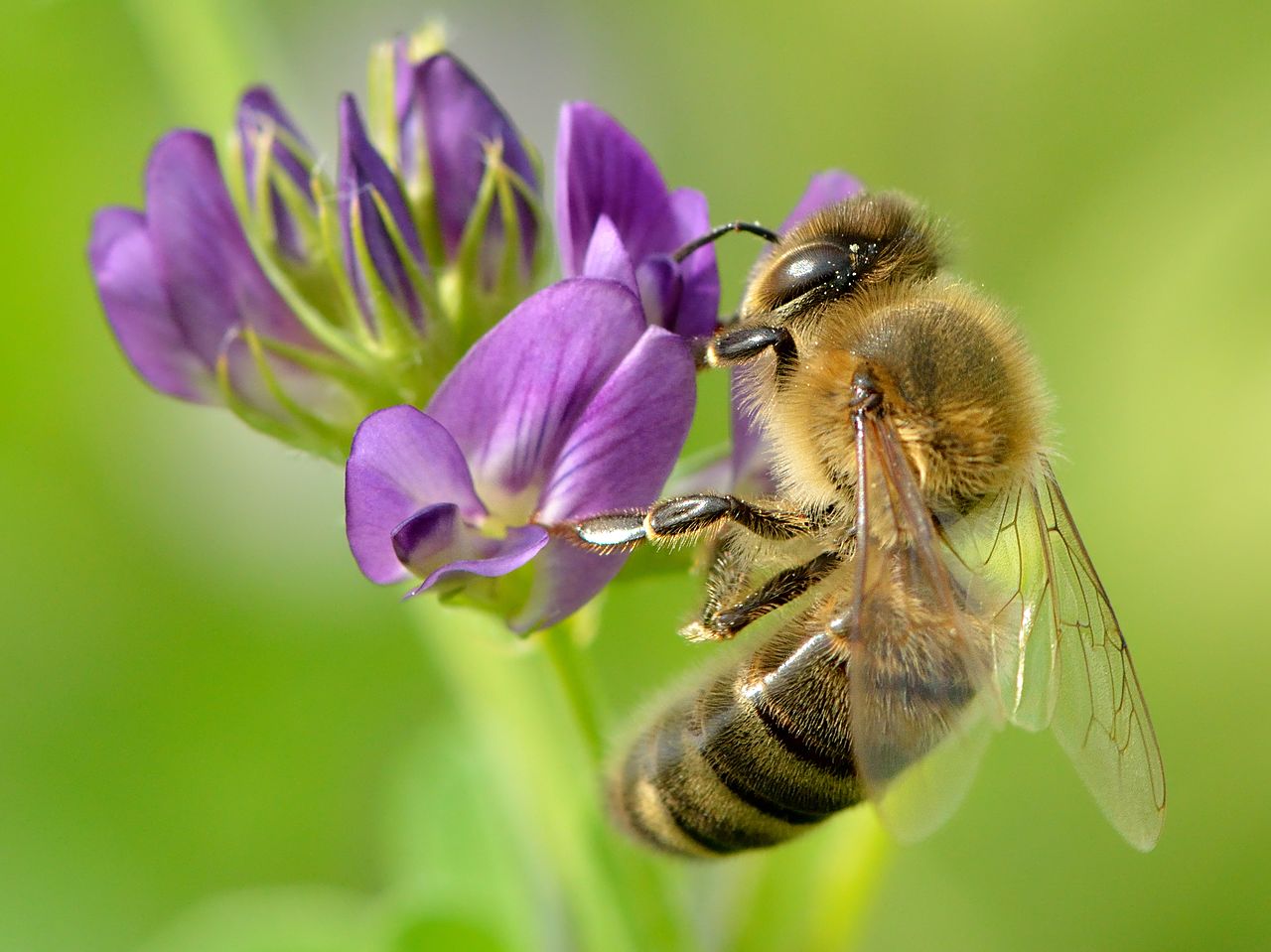
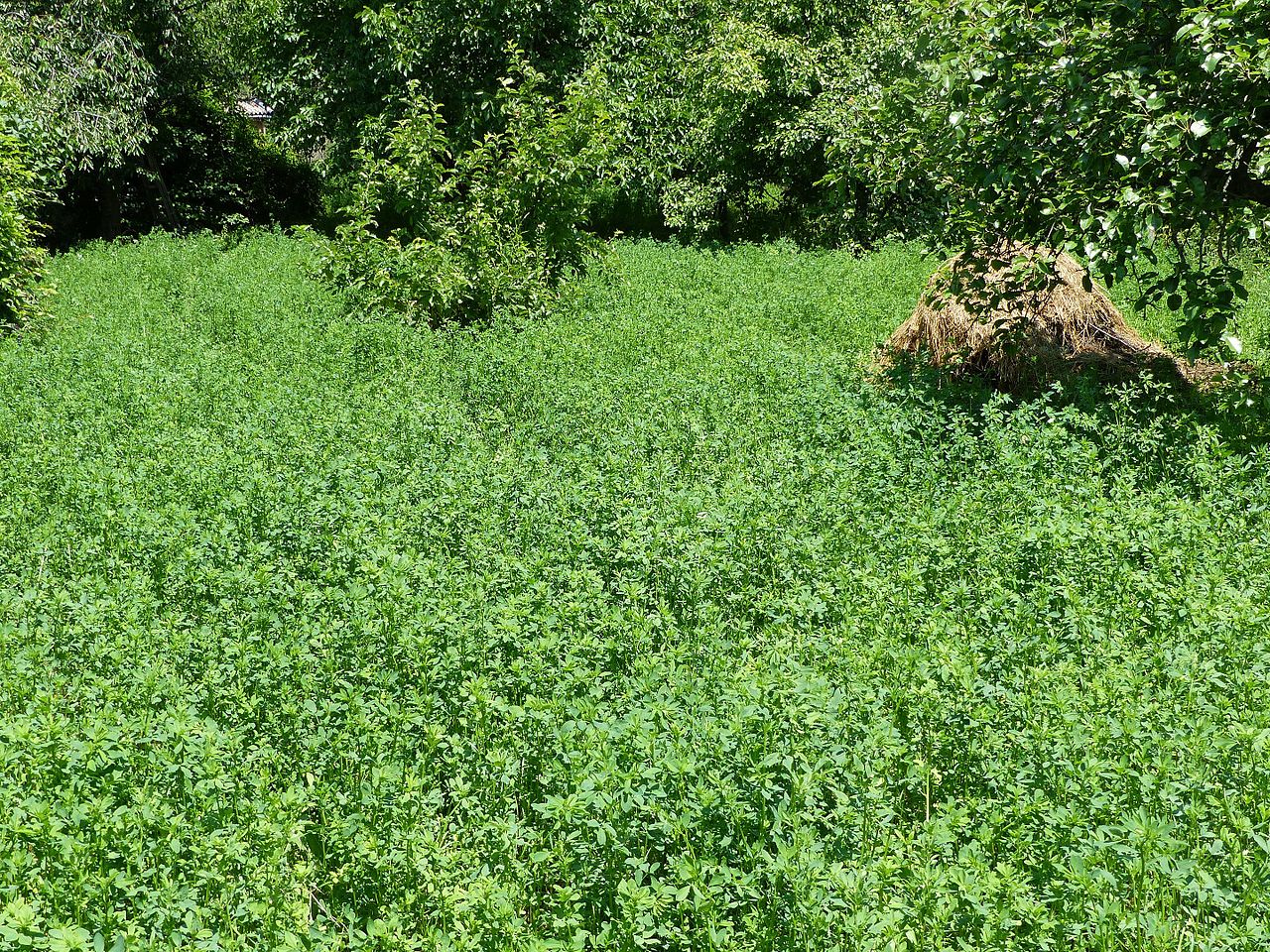
Alfalfa (scientific name Medicago sativa) is a perennial flowering plant in the legume family Fabaceae. Commonly called lucerne in many countries, it is valued primarily as a forage crop. Alfalfa has a deep root system, compound leaves, and clusters of small flowers; its ability to fix atmospheric nitrogen distinguishes it among legumes.
Image gallery
10 Images




Origins and Distribution
Alfalfa originated in the Near East and Central Asia, where it was first domesticated and cultivated. Over centuries it spread through trade and agricultural exchange and has been introduced to much of the world, including Europe, Central Africa, China, North America, and South America.
Characteristics and Agronomy
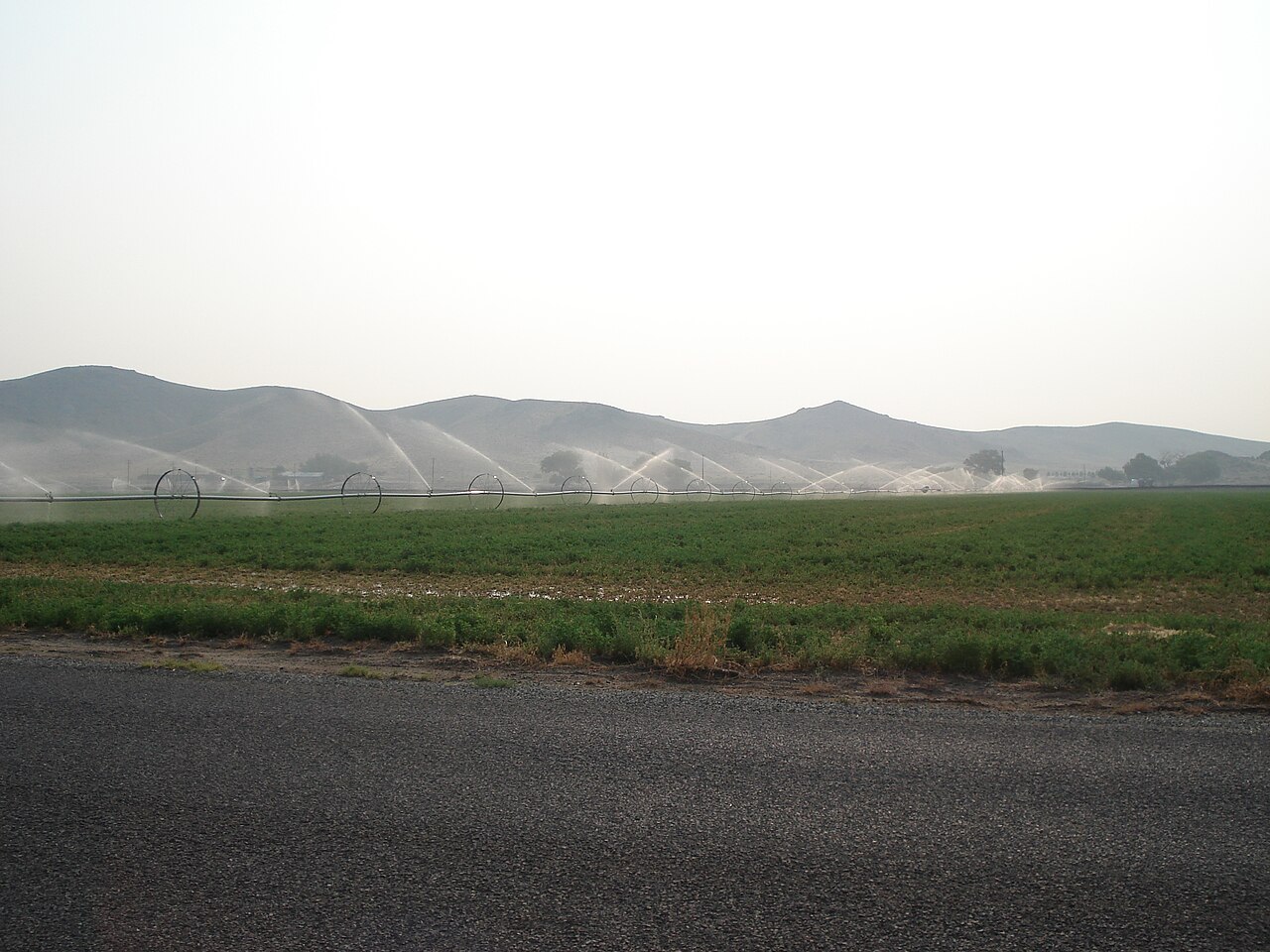
Alfalfa is a herbaceous perennial with a deep taproot that allows it to access water and nutrients from deeper soil layers than many grasses. It is grown as a crop for hay, silage, and pasture. Good management includes attention to soil pH, fertility, and appropriate cutting or grazing schedules to maintain stand health and productivity. Its nitrogen-fixing habit reduces the need for synthetic fertilizers when rotated with other crops.
Uses and Importance
Primary uses are as high-protein feed for livestock and as a soil-improving green manure. Alfalfa hay and pellets support dairy cows, horses, sheep, and goats due to their nutrient density. Beyond feed, alfalfa contributes to sustainable cropping systems by improving soil structure and fertility and by supporting pollinators and beneficial insects.
Varieties and Management
Breeding has produced varieties selected for winter hardiness, pest resistance, digestibility, and yield. Farmers choose cultivars based on climate, intended use, and harvest frequency. Integrated pest management, inoculation with Rhizobium bacteria, and attention to harvest timing improve stand longevity and feed quality.
Notable Facts and Distinctions
- Alfalfa is distinct from many pasture grasses because it is a legume that fixes nitrogen through root nodules.
- It can be used in crop rotations to break disease cycles and reduce fertilizer needs.
- While widely beneficial, alfalfa can become invasive in some regions and requires management to prevent unwanted spread.
- For further resources and practical guidance see regional crop advisors and extension services: agricultural extension.
Because alfalfa links forage production, soil health, and farm resilience, it remains a central crop in mixed and specialized agricultural systems worldwide.
Questions and answers
Q: What is alfalfa?
A: Alfalfa is a species of flowering plant that is used as a crop to feed livestock.
Q: What is the scientific name of alfalfa?
A: The scientific name of alfalfa is Medicago sativa.
Q: What is another name for alfalfa?
A: Another name for alfalfa is lucerne.
Q: Where is alfalfa native to?
A: Alfalfa is native to the Near East and central Asia.
Q: Where has alfalfa been introduced to worldwide?
A: Alfalfa has been introduced to Europe, central Africa, China, North America, and South America.
Q: What family does alfalfa belong to?
A: Alfalfa belongs to the family Fabaceae.
Q: What is alfalfa primarily used for?
A: Alfalfa is primarily used to feed livestock.
Tags
Related articles
Author
AlegsaOnline.com Alfalfa (Medicago sativa): biology, cultivation and uses Leandro Alegsa
URL: https://en.alegsaonline.com/art/2462
Sources
- nutritionresearchcenter.org : Nutrition Research Center, Alfalfa Nutritional Value
- anapsid.org : The Facts About Alfalfa, Melissa Kaplans' Herb Care
- ncbi.nlm.nih.gov : ncbi.nlm.nih.gov/pubmed/6326678
- sun.ars-grin.gov : Chemical Information