
Amaranth (Amaranthus): Overview, Uses, and Cultivation
Amaranth is a genus of about 60 herb species grown worldwide for grain, leafy greens, and ornamental flowers. This article summarizes identification, taxonomy, cultivation, uses, nutrition, and management.
Overview
Amaranth refers to plants in the genus Amaranthus, a cosmopolitan group of roughly sixty species of annual and short-lived perennial herbs valued for their seeds, leaves and ornamental qualities. Members of the genus are notable for dense flower clusters and often vivid foliage colors. For taxonomic summaries and species lists see taxonomic resources.
Image gallery
10 Images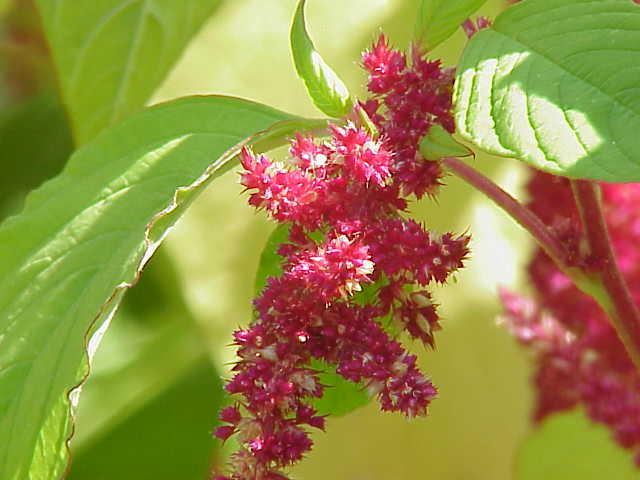



Characteristics
Most amaranths have simple, alternate leaves and terminal or axillary inflorescences composed of many small flowers. Flower and foliage hues range widely, with cultivated varieties selected for purple tones, deep red pigments, or golden and green shades used in horticulture. Many species operate with C4 photosynthesis, which helps them grow vigorously in warm, sunny conditions. Plants vary in size and form from low-growing leafy types to tall, tassel-like ornamentals.
Taxonomy and Species
Amaranthus is treated by botanists as a single genus with several sections and a number of closely related species. Approximately sixty species are recognized in broad treatments, though exact counts vary as taxonomic study continues. Well-known species include those cultivated for grain, others grown primarily for leaves, and several popular garden cultivars. For up-to-date lists consult specialized floras and the links above.
History and Uses
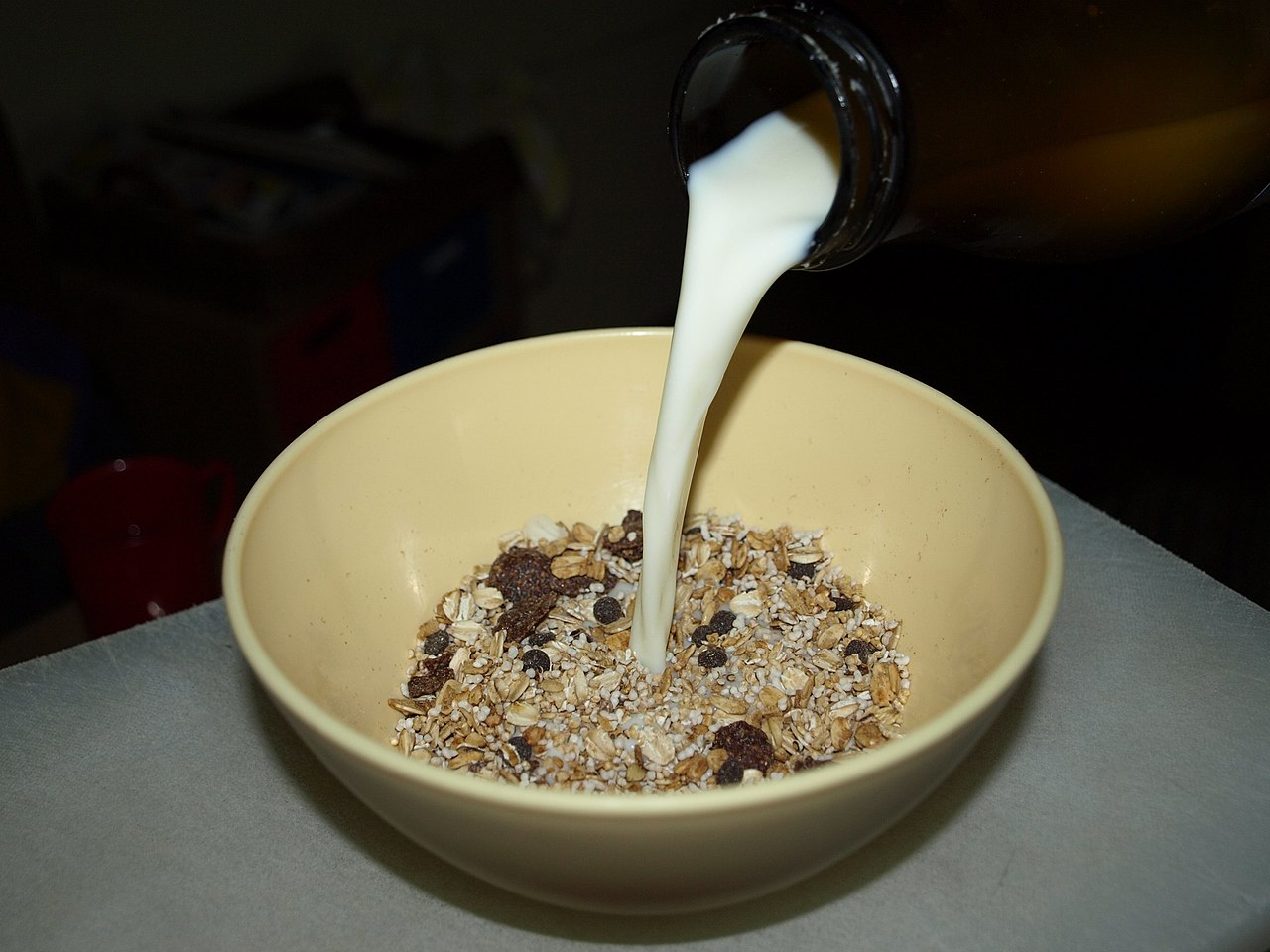
Amaranth has a long history of human use. Several species were domesticated in the Americas and were important as grain and leafy foods before European contact; in some regions they also had ritual significance. Today amaranths are grown worldwide for three principal uses: seeds (commonly described as a pseudocereal), leafy vegetables, and ornamentals. Seeds are small, nutritious and naturally gluten-free; they are cooked like a grain, milled into flour or popped. Leaves are used as cooked greens across Asia, Africa and the Americas. Further information on leafy and seed uses can be found in practical leaf vegetable guides and in resources about pseudocereals and grains.
Cultivation and Harvest
Amaranths are generally easy to grow from seed in warm seasons, preferring well-drained soils and full sun. Seeds are sown directly where plants are to grow; many varieties tolerate a range of soil types but perform best with moderate fertility. Leaves can be harvested repeatedly when young for a tender vegetable; seed harvest is timed when inflorescences and seed heads dry and seeds rattle in the panicle. Post-harvest cleaning and careful drying reduce losses and allow storage. Gardeners select varieties according to use: leafy types for greens, grain types for seed production and ornamental cultivars for color and form.
Weeds, Ecology and Management
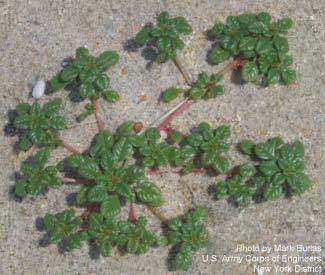
Several Amaranthus species are also common agricultural weeds and are referred to in weed management literature as pigweeds or amaranths. They can be highly competitive in annual crops and some populations have evolved resistance to certain herbicides, so integrated management—combining cultivation, crop rotation, timely weed removal and, where appropriate, chemical control—is often recommended. For identification and control options see practical weed identification resources.
Nutrition and Notable Facts
- Nutritional value: Both seeds and leaves provide protein and micronutrients; seeds are a source of complex carbohydrates and leaves supply vitamins and minerals.
- Pigments: Many colored varieties owe their red and purple hues to betalain pigments rather than anthocyanins.
- Ornamentals: Cultivars such as tassel-type amaranths are grown for dramatic flower heads and foliage contrast in borders and floral arrangements.
Amaranth holds a dual role in human landscapes as a nutritious crop and sometimes troublesome weed. Its adaptability, range of uses and vibrant appearance ensure its continuing importance in agriculture, horticulture and food culture worldwide.
Related articles
Author
AlegsaOnline.com Amaranth (Amaranthus): Overview, Uses, and Cultivation Leandro Alegsa
URL: https://en.alegsaonline.com/art/3221