
Cocker Spaniel — English and American breeds
Two related spaniel breeds developed to hunt woodcock. Covers origins, appearance, temperament, care, health issues, differences between English and American lines, and guidance for owners.
Overview
The name Cocker Spaniel refers to two closely related but distinct breeds of spaniel: the English Cocker Spaniel and the American Cocker Spaniel. Both belong to the wider spaniel family and were originally developed to locate and flush woodcock and other game birds. For classification context see breed grouping and general spaniel types. Today cockers are kept both as working gundogs and as companion animals.
Image gallery
5 Images


History and development
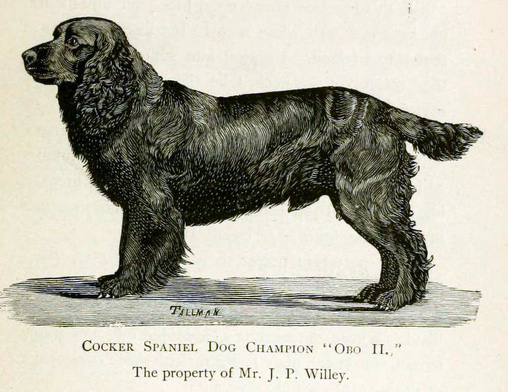
Early ancestors of the modern Cocker Spaniel were field spaniels developed in England in the 19th century. Breeders selected smaller, nimble dogs able to work close to dense cover: the smallest pups in litters were called "cockers" because they could move under hedgerows and through brambles and bushes to flush woodcock. Over time the group split into two breeds; dogs bred for show and for different regional preferences produced the modern English and American types.
Appearance and coat
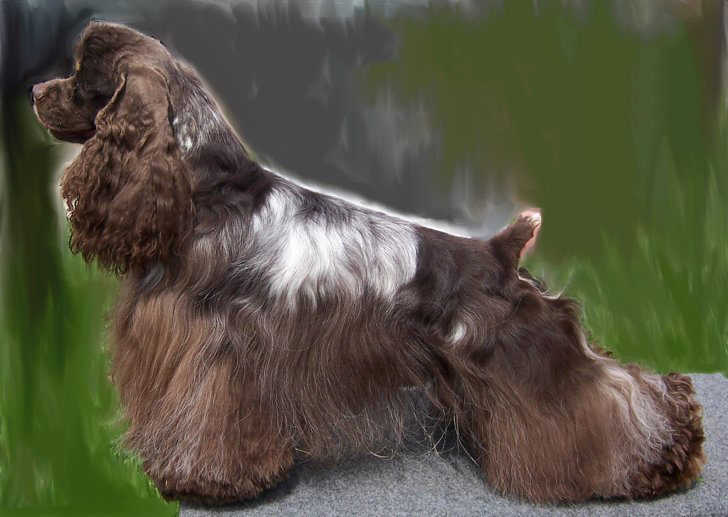
Cocker Spaniels are compact, sturdy sporting dogs with silky, often feathered coats. Traditional coat shades include brown and ginger, but black, parti-colors and roans are common. The coat texture and feathering are important breed characteristics; see references on coat and fur care for grooming considerations. They have expressive faces with a relatively broad skull and a pronounced muzzle; scent-oriented individuals may show well-developed nose structure. Long, drooping ears are a signature trait and require regular care to reduce the risk of infection (floppy ears).
Size and types
Cocker Spaniels are generally considered the smallest of the sporting dogs. Each breed includes both "show" (conformation) and "field" (working) lines. Show types are bred to kennel-club standards emphasizing appearance, while field types are bred for stamina, agility and hunting performance. The American Cocker is often a smaller, more domed-headed show type in many kennels, whereas the English Cocker tends to be slightly larger with proportions that reflect working stamina.
Temperament and suitability
Cockers are typically affectionate, sociable and energetic. They bond closely with families and are commonly described as good companions for children when properly socialized. They enjoy activities that use their nose and natural retrieving instincts, such as scent work, obedience and play retrieving. Early training, positive reinforcement and mental stimulation help prevent boredom-related behaviors.
Care and grooming
- Exercise: Regular daily activity is important; cockers enjoy walks, play and opportunities to follow scents.
- Grooming: Regular brushing prevents matting and reduces shedding; many owners use periodic trimming or professional grooming to maintain coat health.
- Ear care: Long, pendent ears need routine inspection, cleaning and drying after swimming or baths to lower infection risk.
- Dental and weight management: Routine dental care and a balanced diet help prevent common problems associated with small- to medium-sized breeds.
Health and lifespan
Cocker Spaniels commonly live into their early to mid-teens when well cared for. As with many purebred dogs they can be predisposed to specific inherited conditions, including certain eye disorders, hip and joint issues, and ear infections. Responsible breeders screen parent dogs for known problems and owners benefit from regular veterinary care, timely vaccinations and preventive parasite control.
Working roles, show vs field
Although many cockers are kept as companion animals, both English and American lines retain spaniel instincts to hunt, flush and retrieve. Field-type dogs are leaner and more athletic, bred for endurance and working ability, while show-type dogs emphasize breed-standard appearance. Prospective owners should choose a type that matches their lifestyle and activity plans.
Choosing and raising a Cocker Spaniel
When selecting a puppy or adult dog, seek breeders or rescue organizations that provide health clearances and information on temperament. Early socialization, positive training methods and consistent routines help develop a confident, well-mannered companion. For additional guidance on pet ownership and breed-specific resources consult general pet-care summaries and breed-club information.
Further reading and resources: family pet information, breed standards and clubs for the English Cocker and American Cocker, and practical notes on coat care, scent and nose traits, ear health, and historical notes on working under hedgerows and through brambles. For classification context see breed grouping and wider spaniel types. Color references: brown and ginger.
Related articles
Author
AlegsaOnline.com Cocker Spaniel — English and American breeds Leandro Alegsa
URL: https://en.alegsaonline.com/art/21330
Sources
- caninechronicle.com : "Do Cocker Spaniels Really Hunt?"
- about-cocker-spaniels.com : "The American Cocker Spaniel"
- commons.wikimedia.org : Cocker Spaniel