
Coelurus — small Late Jurassic hollow-boned theropod
Coelurus is a small, fragmentarily known genera of hollow-boned theropod from the Late Jurassic Morrison Formation of Wyoming, named by O.C. Marsh in 1879 and notable for its light, likely agile build.
Coelurus is a genus of small theropod dinosaur known from fragmentary fossils recovered in the western United States. The name means "hollow tail" or "hollow" and refers to the lightweight, hollow bones that characterize the animal. It lived during the Late Jurassic, an era that produced many familiar dinosaurs, and it is represented by remains that suggest a lightly built, bipedal carnivore.
Image gallery
10 Images


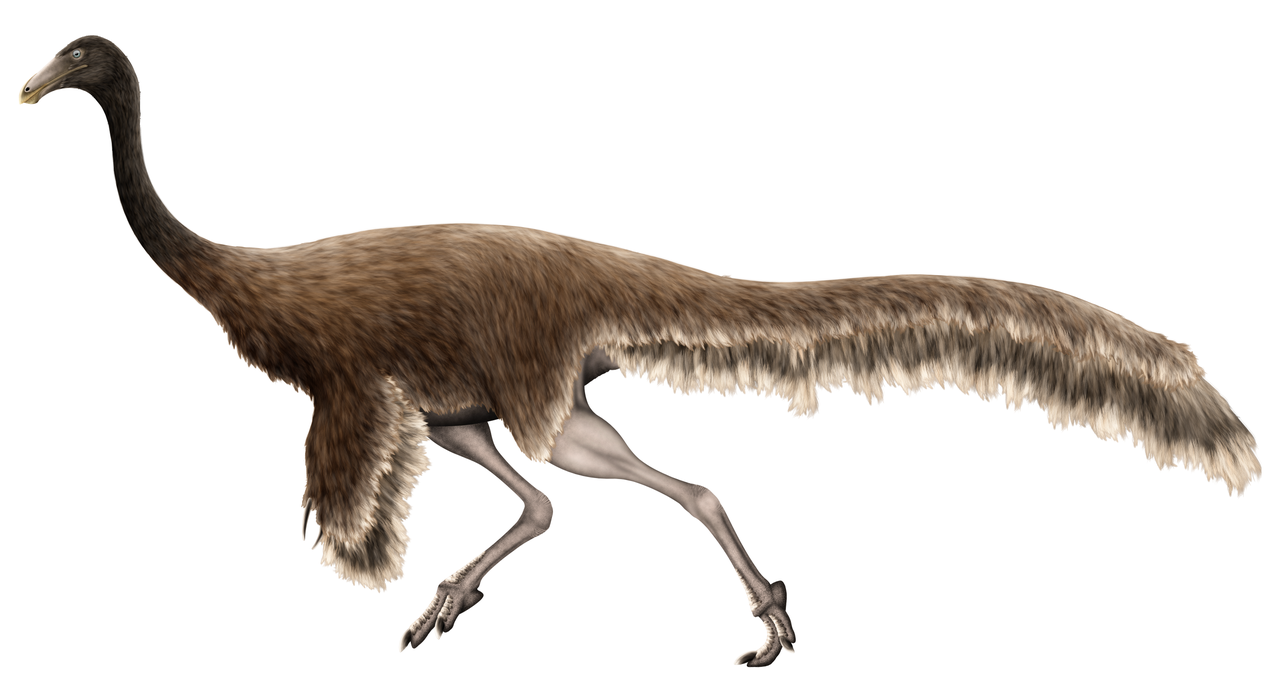

Description
Surviving material for Coelurus is limited, which makes detailed reconstructions tentative. Available bones indicate a small body length (often estimated near 1.5–2.0 metres), a gracile pelvis and hind limb suited to an upright, two-legged posture, and hollow limb bones that reduced weight. One reported measurement is a femur length of roughly 55 cm, consistent with a slender, active predator. Overall mass estimates vary but are often in the range of a few dozen kilograms rather than hundreds.
Key characteristics
- Hollow, pneumatic bones that reduced weight and aided agility.
- Bipedal stance with long hind limbs suggesting good running ability.
- Small skull and lightly built forelimbs (known only from partial material).
- Fragmentary fossils make many details uncertain or disputed among researchers.
Discovery and naming
Coelurus was named in 1879 by the American paleontologist Othniel C. Marsh from material collected in what is now Wyoming. The remains come from the Morrison Formation, a rich Late Jurassic sedimentary sequence. Because the original specimens are incomplete, later workers have debated which bones belong to the genus and how many species should be recognized.
Classification and significance
Coelurus has historically been difficult to place precisely within the theropod family tree. It was among the early taxa that helped define small, birdlike theropods and has been compared with other small Jurassic forms. Some analyses recover it near the base of the clade commonly called Coelurosauria, while others have left its exact affinities unresolved. Despite its fragmentary record, Coelurus is important for understanding the diversity of small carnivorous dinosaurs in Late Jurassic ecosystems.
Paleobiology and context
As a small carnivore, Coelurus probably fed on small vertebrates and invertebrates and relied on speed and agility rather than strength. Its fossils come from a landscape of floodplains and river channels that supported a variety of dinosaurs. Modern discussions of Coelurus often emphasize caution: reconstructions must be treated as provisional until more complete remains are found or better comparisons are made with related taxa.
Related topics and broader context can be explored via general entries on theropod anatomy, the group dinosaur diversity of the Late Jurassic, the Late Jurassic time interval, fossil sites in Wyoming, and the historical work of Othniel C. Marsh.
Related articles
Author
AlegsaOnline.com Coelurus — small Late Jurassic hollow-boned theropod Leandro Alegsa
URL: https://en.alegsaonline.com/art/21393