
American Cocker Spaniel
Compact, affectionate sporting dog breed known for its silky coat, expressive eyes, and history as a hunter of woodcock; now popular as a companion, show dog, and versatile working spaniel.
The American Cocker Spaniel is a small to medium-sized spaniel originally bred for flushing woodcock and other game. Highly recognizable for its rounded head, long drop ears, and luxurious, silky coat, the breed combines sporting ancestry with a temperament suited to family life. For basic breed standards and registry information, see the breed profile and major kennel club pages such as national registries.
Image gallery
10 Images





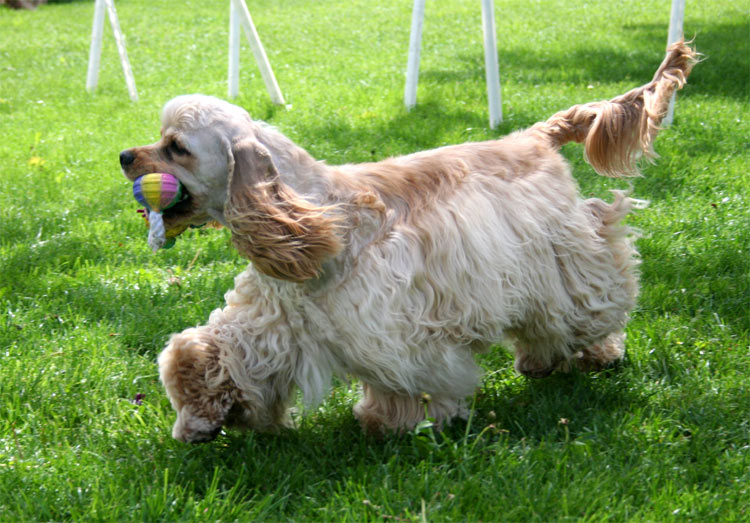

Appearance and coat
American Cockers have a compact, well-balanced body with a soft expression and a coat that ranges from moderate to heavy in length and feathering. Common coat colors include solid and parti patterns; many dogs require frequent grooming to keep the hair free of mats and to preserve the characteristic silky finish. Ears are long and pendulous, which contributes to the breed's elegant look but can also require regular cleaning and inspection.
Temperament and behavior
Generally friendly, eager to please, and intelligent, the American Cocker is often described as affectionate and playful. They typically enjoy close contact with their owners and adapt well to family life when given sufficient attention, exercise, and mental stimulation. Training tends to be effective when reward-based methods are used; early socialization helps ensure a confident adult dog.
History and development
The name "cocker" reflects the breed's historic role hunting woodcock. Over time, breeders in the United States selected for a smaller, more heavily coated spaniel than some of its British counterparts. During the 20th century kennel clubs came to treat the American type as distinct from the English Cocker Spaniel; the two now have separate breed standards and show classes in many countries. For comparisons with related spaniels, consult authoritative breed guides such as spaniel references and national breed clubs (regional club).
Health, care and activities
- Routine care: Daily brushing, periodic trimming, and ear cleaning help prevent tangles and infections.
- Common concerns: Long-eared breeds can be prone to ear infections; they may also be susceptible to inherited eye conditions and other breed-related issues—regular veterinary screening is recommended.
- Suitable activities: Field work, obedience, agility, and therapy visits are all areas where the breed commonly excels when properly trained and exercised.
Because of their dual heritage as hunters and companions, American Cocker Spaniels remain valued both in the show ring and as family pets. For further reading on breed history, standards, and care resources, see official clubs and breed-specific organizations such as national breed club pages.
Questions and answers
Q: What is the American Cocker Spaniel?
A: The American Cocker Spaniel is a breed of dog.
Q: How does it differ from other Spaniel breeds?
A: The American Cocker Spaniel is one of many Spaniel breeds.
Q: What is it called in the United States?
A: In the United States, the breed is usually called the Cocker Spaniel.
Q: What is it called in other parts of the world?
A: In other parts of the world, it is called the American Cocker Spaniel, to differentiate it from the English Cocker Spaniel.
Q: What are some characteristics of the American Cocker Spaniel?
A: American Cocker Spaniels are clever, loving, and happy dogs.
Q: Is the American Cocker Spaniel a popular breed?
A: Yes, the American Cocker Spaniel is a popular breed of dog.
Q: What do people like about American Cocker Spaniels?
A: People like American Cocker Spaniels for their intelligence, affectionate nature, and happy disposition.
Related articles
Author
AlegsaOnline.com American Cocker Spaniel Leandro Alegsa
URL: https://en.alegsaonline.com/art/3380