
Nose: structure, function, health, and evolutionary context
Comprehensive overview of the nose: anatomy, how smell and breathing work, common disorders and clinical importance, variations across animals, and further reading links.
The nose is a prominent facial feature in humans and a vital organ in many animals that serves multiple roles: olfaction (smell), respiration (airway conditioning), and defense. Externally it consists of the bridge and nostrils; internally it contains chambers and specialized tissues that detect odors and prepare inhaled air. Across species the shape and sensitivity of the nose reflect ecological needs — from the fine scent-tracking of dogs to the simpler nostril structures of many fish and reptiles.
Image gallery
8 Images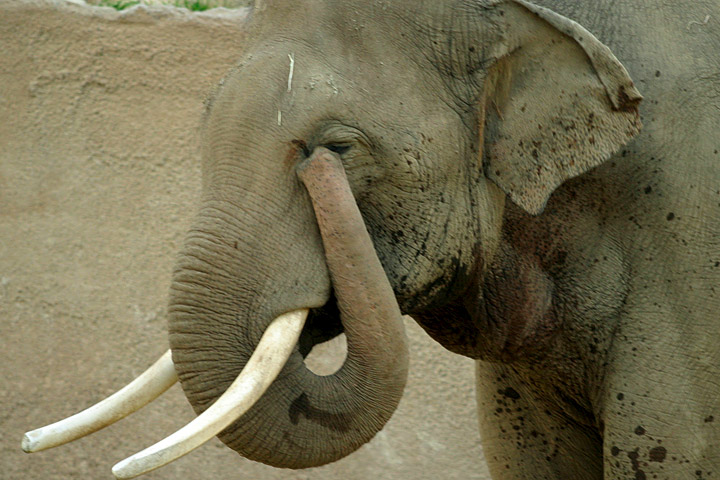


Anatomy and parts
Externally, the human nose includes the nasal bones and cartilage that form its visible shape. The nostrils (nares) open into the nasal cavity, which is divided by the septum. Inside the cavity are the turbinates (conchae), ridged bones covered by mucous membrane that increase surface area. The upper region of the cavity hosts the olfactory epithelium, a specialized area containing receptor cells that detect odor molecules. Olfactory nerve fibers carry signals from these receptors to the olfactory bulb in the brain. The nasal passages are lined with mucus and tiny cilia that trap and clear particles.
Functions
The nose performs several essential functions. For breathing it filters, warms, and humidifies inspired air, helping protect delicate lung tissue. For smell, airborne chemicals bind to receptors on olfactory cells; these interactions are translated into electrical signals that the brain interprets as distinct odors. The nose also contributes to taste and to speech resonance. As part of the immune defense, nasal mucus and cilia reduce the entry of dust, microbes, and allergens.
Evolution and variation
Olfactory systems have evolved with species' lifestyles. Many mammals have a highly developed sense of smell and larger olfactory brain regions; dogs, rodents, and some ungulates rely on scent for foraging, social signaling, and predator detection. In primates, including humans, visual systems became more dominant in many lineages, and olfactory structures reduced in relative size. Aquatic animals and some birds have different nasal adaptations reflecting breathing methods and aquatic olfaction.
Health, disorders, and clinical significance
Common nasal problems include viral infections (which may cause congestion and temporary loss of smell), allergic rhinitis, sinusitis (inflammation of the sinuses), nasal polyps, deviated septum, chronic rhinitis, and nosebleeds. Loss or distortion of smell (anosmia or parosmia) affects safety and quality of life because it impairs detection of smoke, gas, and spoiled food. Healthcare professionals evaluate nasal symptoms with patient history, examination, and sometimes imaging or endoscopy; treatments range from medications and allergy management to surgical correction.
Importance and notable facts
Smell plays a central role in human memory and emotion and remains a primary sense for many animals. Detection dogs are used in search, rescue, and forensic contexts because their olfactory abilities far exceed those of humans. Simple behaviors such as sniffing modulate airflow and improve odor detection. Maintaining nasal health supports breathing, sleep, and overall well-being.
Further information
- Anatomy of the nasal cavity
- Olfaction in animals
- How smell works
- Neural pathways for olfaction
- Olfactory nerves and receptors
- Human nasal anatomy
- External nose and face
- Comparative sense of smell in dogs
- The respiratory system overview
- Breathing and air conditioning
- Nose and health
- Air filtration by the nose
- Dust and airborne particles
- Nasal immunity and microbes
- Nose and lung protection
- Nerve cells in the nose
- Common cold and nasal symptoms
- Sleep and nasal breathing
Related articles
Author
AlegsaOnline.com Nose: structure, function, health, and evolutionary context Leandro Alegsa
URL: https://en.alegsaonline.com/art/71138