
Cockle (Cardiidae): small edible marine bivalves
Cockles are small, mostly edible saltwater bivalves in the family Cardiidae. This article covers their anatomy, habitats, behaviour, uses, taxonomy and how they differ from similar clams.
Overview
Cockles are a group of mostly small, edible saltwater clams belonging to the family Cardiidae. They are marine bivalve molluscs commonly found in sheltered sandy or muddy areas around temperate and tropical coasts. In everyday language "cockle" can refer to several similar small clams, so specialists sometimes call members of Cardiidae "true cockles" to distinguish them from look-alike species in other families.
Image gallery
10 Images



Shells and anatomy
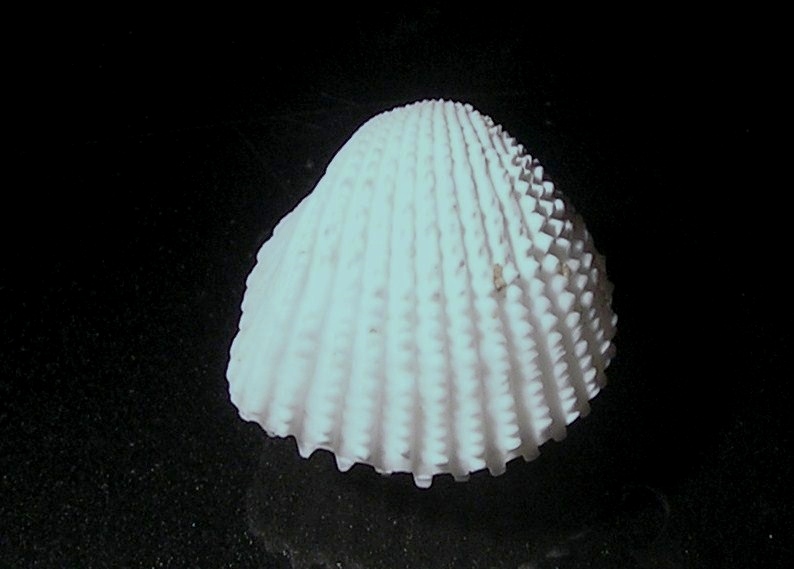
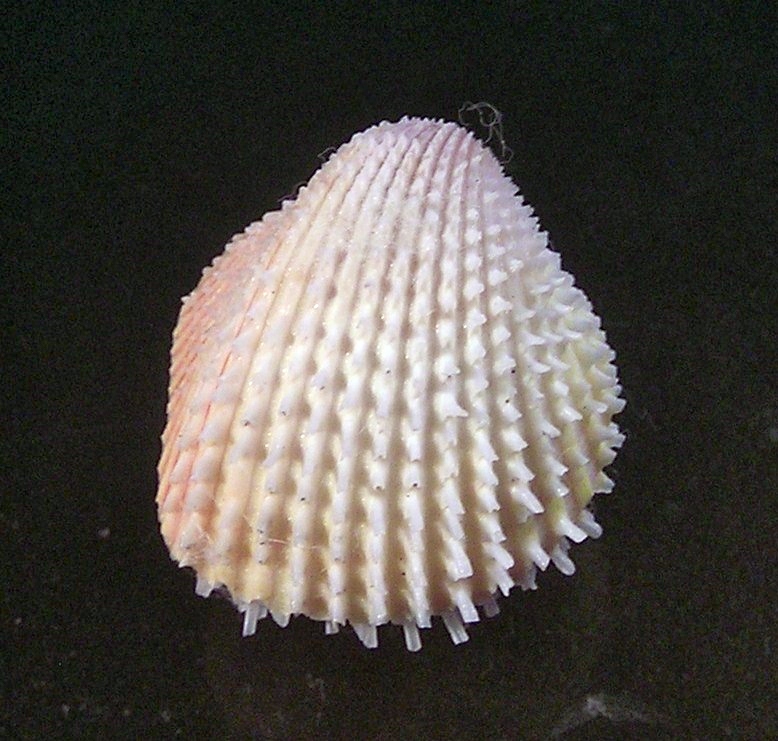
Their shells are typically rounded and laterally symmetrical, and when seen from the end often have a heart-like outline. Many species show pronounced radial ribs — raised ridges that radiate from the hinge to the shell edge — while some genera, such as Laevicardium (the egg cockles), have notably smooth valves. Internally, cockles have a mantle with openings for water flow and a muscular foot used for digging and movement. The basic bivalve body plan and soft anatomy place them among molluscs, with paired gills for filter feeding and separated inhalant and exhalant currents.
Behavior and ecology
Cockles live partially buried in sediments where they use the foot to burrow and can also perform short leaps by flexing the foot to escape predators or changing position. They are suspension feeders, drawing water through the gills to extract plankton and organic particles; this feeding mode helps cycle nutrients in coastal ecosystems. Many species tolerate a range of salinities and are common on sheltered beaches and estuaries worldwide.
Uses and interactions with people
Cockles have long been harvested for food in many coastal cultures. They are eaten fresh, steamed, or used in soups and seafood mixes. Because other small clams (for example some venus clams and ark clams) can resemble cockles, seafood markets sometimes label several different taxa as "cockles", which can cause confusion. Sustainable harvesting and regulations are important in areas with commercial or recreational cockle fisheries.
Taxonomy, diversity and history
The family Cardiidae contains numerous genera and species that vary in size, shell sculpture and habitat preference. Cockles have a fossil record that helps document their evolution and past distributions. Taxonomists use shell characters, anatomy and sometimes genetic data to separate species and to clarify relationships with other bivalve families.
Identification and notable facts
- Key field features: symmetrical valves, often strong radial ribs, and a heart-shaped profile from the end view.
- Behavioral note: many cockles can "jump" short distances using the foot — a notable trait among shallow-burrowing bivalves.
- Distinction: to avoid misidentification, check family-level features; non-cardid clams sold as "cockles" belong to other families such as the venus clams or ark clams.
For more detailed morphological descriptions and keys, see specialized guides or online resources such as identification keys and regional field guides (coastal mollusc guides). General background on bivalve biology and filter feeding is available via broader mollusc summaries (bivalve biology).
Questions and answers
Q: What are cockles?
A: Cockles are small, edible, saltwater clams that belong to the family Cardiidae.
Q: Where are cockles commonly found?
A: Cockles are very common on sandy sheltered beaches throughout the world.
Q: What do cockle shells look like?
A: The distinctive rounded shells of cockles are symmetrical and are heart-shaped when viewed from the end. In most genera, there are numerous radial ribs (ridges on the shell), while the genus Laevicardium, the egg cockles, have very smooth shells.
Q: How do cockles feed?
A: Cockles feed by filtering plankton from the surrounding water.
Q: How do cockles burrow?
A: Cockles burrow using their foot.
Q: Are there other bivalves that are called cockles?
A: Yes, the common name "cockle" is also given to a number of other small edible bivalves which have a somewhat similar shape, but belong to other families such as the Veneridae (Venus clams) and the Arcidae (ark clams).
Q: What are some characteristics of true cockles that distinguish them from other bivalves called "cockles"?
A: Cockles in the family Cardiidae are sometimes known as "true cockles" in order to distinguish them from other species. True cockles have three openings (inhalant, exhalant, and pedal) in their mantle for siphoning water and for the foot to stick out. They are capable of "jumping" by bending and straightening the foot, and some species reach maturity quickly.
Related articles
Author
AlegsaOnline.com Cockle (Cardiidae): small edible marine bivalves Leandro Alegsa
URL: https://en.alegsaonline.com/art/21334
Sources
- reservebaiedesaintbrieuc.com : European cockle