
Cinnamomum: the laurel-family genus that yields cinnamon, camphor and aromatic trees
Cinnamomum is a genus of over 300 evergreen trees and shrubs in the laurel family, native to tropical and subtropical regions; valued for aromatic bark, leaves and essential oils used as spices, medicines and timber.
Cinnamomum is a genus of evergreen trees and shrubs in the laurel family, known for aromatic bark and leaves that produce essential oils. The group includes more than 300 described species distributed across tropical and subtropical regions. Plants in this genus are important ecologically and economically: some yield familiar spices such as cinnamon and cassia, others provide camphor, timber and traditional medicines.
Image gallery
7 Images
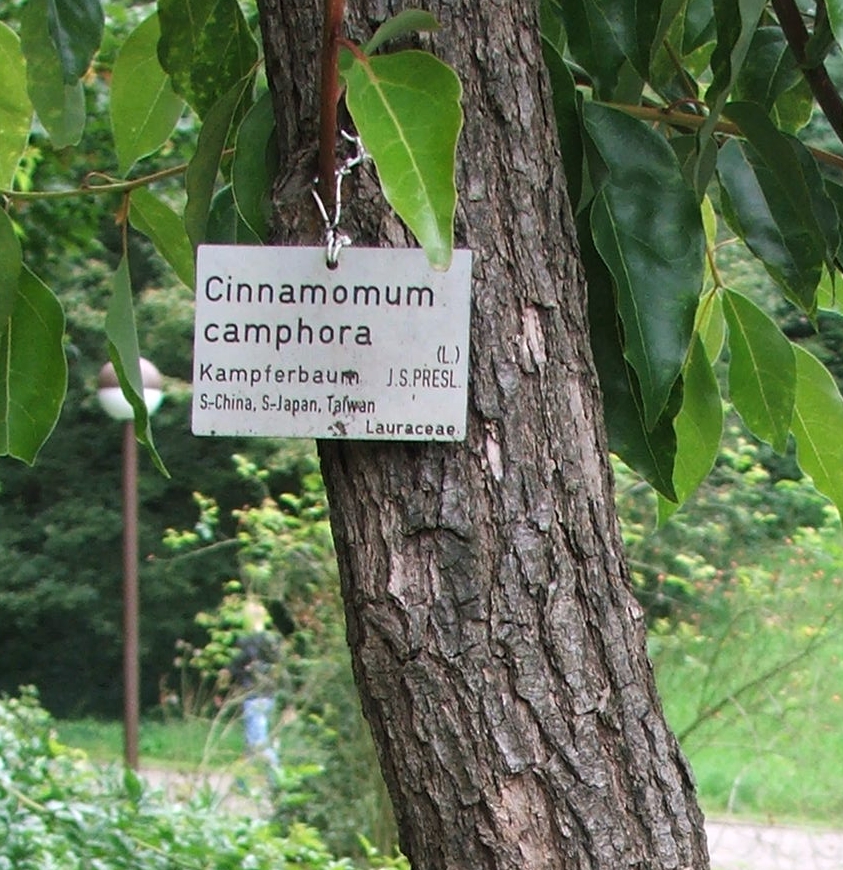
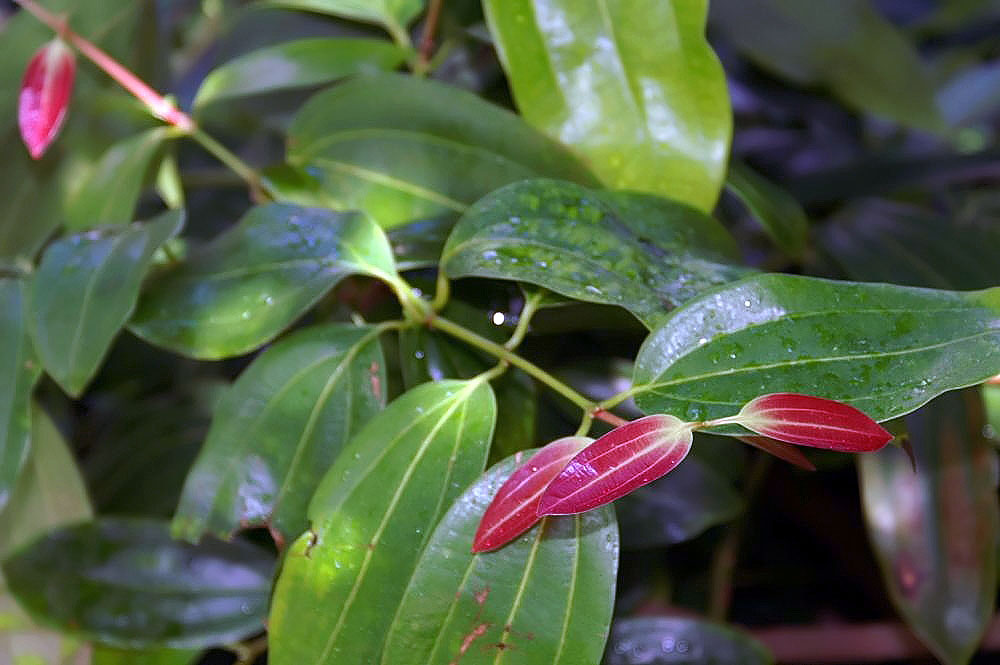


General characteristics
Members of the genus are woody, evergreen plants with simple, alternately arranged leaves that often contain fragrant oils. The bark, leaves and sometimes roots contain volatile compounds that give a distinctive scent and taste. Flowers are typically small and inconspicuous, arranged in clusters, and the fruit is usually a small, berry-like drupe. Growth form ranges from low shrubs to medium-sized trees, depending on species and growing conditions.
Distribution and habitat
Cinnamomum species occur naturally in warm regions of the Americas, Africa, Madagascar, Asia, Australasia and Oceania. They prefer humid, sheltered sites and are commonly found in primary and secondary forests, along riverbanks and on mountain slopes in subtropical and tropical climates. Their wide distribution reflects both natural dispersal and long histories of human cultivation and trade.
Uses and significance
Several species have been harvested for food, fragrance and medicine. The inner bark of certain species is processed into spice products commonly called cinnamon or cassia; the bark is peeled, dried and often rolled into quills. Leaves and twigs may be distilled to obtain essential oils used in perfumery, flavoring and traditional remedies. Camphor, derived from some species, has applications in topical medicines and as a fragrance. Woods from larger species are sometimes used as timber or fuel.
Notable species and distinctions
- Cinnamomum verum — often called "true cinnamon" or Ceylon cinnamon; prized for a delicate flavor.
- Cassia (several Cinnamomum taxa) — darker, stronger-flavored bark commonly sold as cassia.
- Cinnamomum camphora — camphor laurel, source of camphor and a widely planted ornamental in some regions.
- Cinnamomum loureiroi — sometimes called Saigon or Vietnamese cinnamon; aromatic and used in regional cuisines.
- Cinnamomum tamala — known as tejpat or Indian bay leaf, used as a culinary leaf in South Asian cooking.
Because similar names (cinnamon, cassia, bay leaf) are applied to products from different species, it is useful to check botanical names when selecting spices or medicinal material. The chemical composition of oils—cinnamaldehyde, eugenol, camphor and related compounds—varies by species and determines aroma and uses.
Cultivation, trade and conservation
Many economically important Cinnamomum species have been widely cultivated for centuries and traded across regions. Sustainable harvesting of bark and leaves requires care to avoid killing trees; cultivated plantations and managed harvesting methods are common. Some wild species face habitat loss and overexploitation. Conservation efforts combine habitat protection, cultivation of high-demand species and research into propagation methods.
For further taxonomic detail, species lists and regional accounts consult specialized botanical treatments and databases: see general information on the genus, the family treated as laurel relatives, and species-specific pages such as evergreen descriptions, shrub forms, leaf oil composition, bark harvesting, and regional flora entries for Oceania, Asia and Australasia. Cultural names and culinary uses are discussed in sources on spices and regional languages such as Hindi and local trade terminology; compare common names like Indian bay leaf where usage can be imprecise.
Readers seeking culinary, medicinal or horticultural guidance should consult up-to-date, authoritative resources and local experts for safe identification, correct usage and conservation-minded sourcing.
Related articles
Author
AlegsaOnline.com Cinnamomum: the laurel-family genus that yields cinnamon, camphor and aromatic trees Leandro Alegsa
URL: https://en.alegsaonline.com/art/20416