
Cirsium (thistles): description, ecology, and human interactions
Cirsium is a genus of spiny flowering plants in the Asteraceae (thistle) group. Native mainly to Eurasia, North Africa and North America, species range from weeds to pollinator-friendly garden plants.
Overview: Cirsium is a genus of spiny herbaceous plants commonly called thistles. Members of this genus are flowering plants and belong to the diverse Asteraceae family. The group is widely recognized by its prickly leaves and showy composite flower heads composed of many small tubular florets. For a general genus reference see Cirsium (genus) and for basic notes on flowering plants consult flowering plants.
Image gallery
10 Images

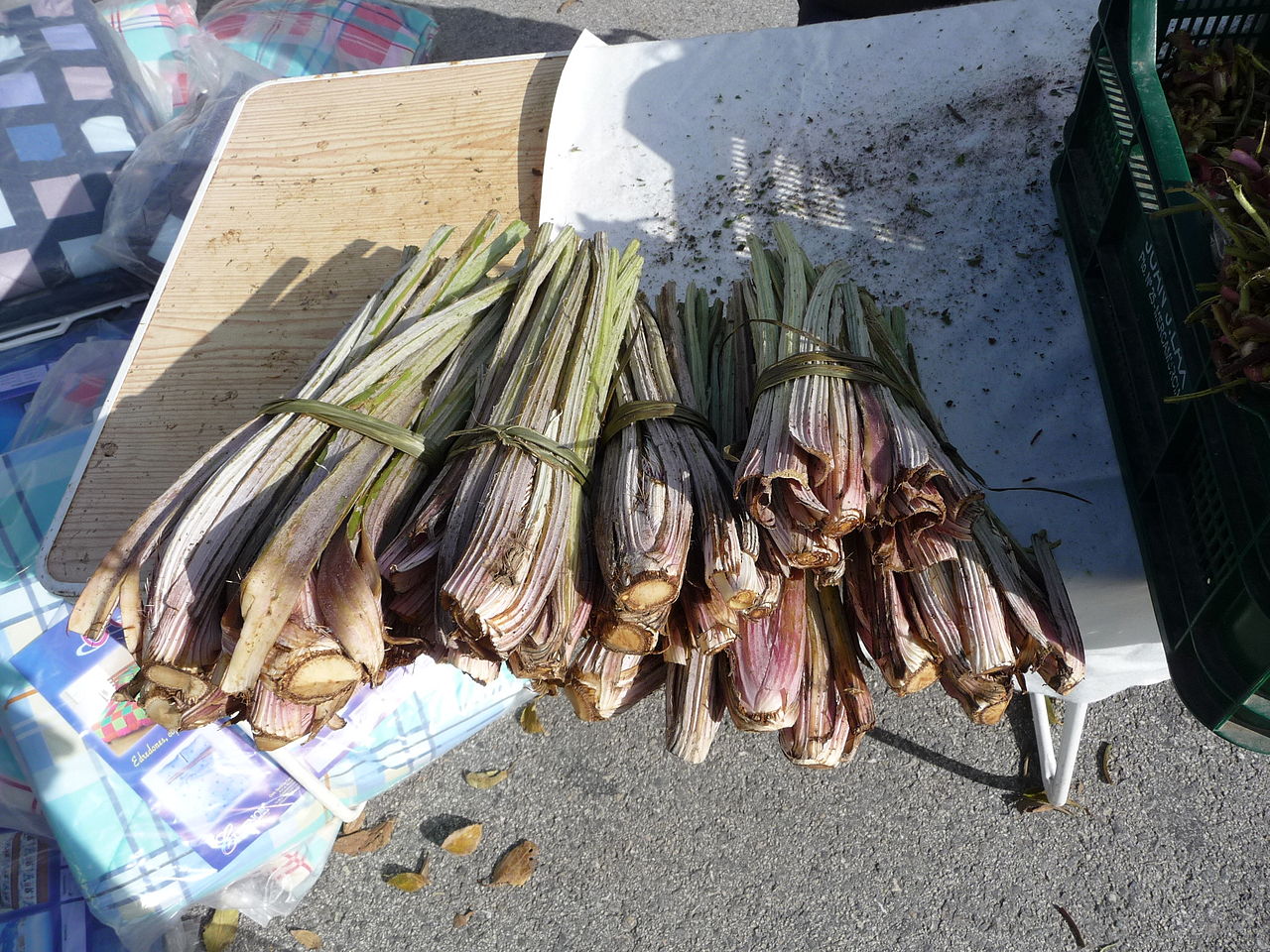


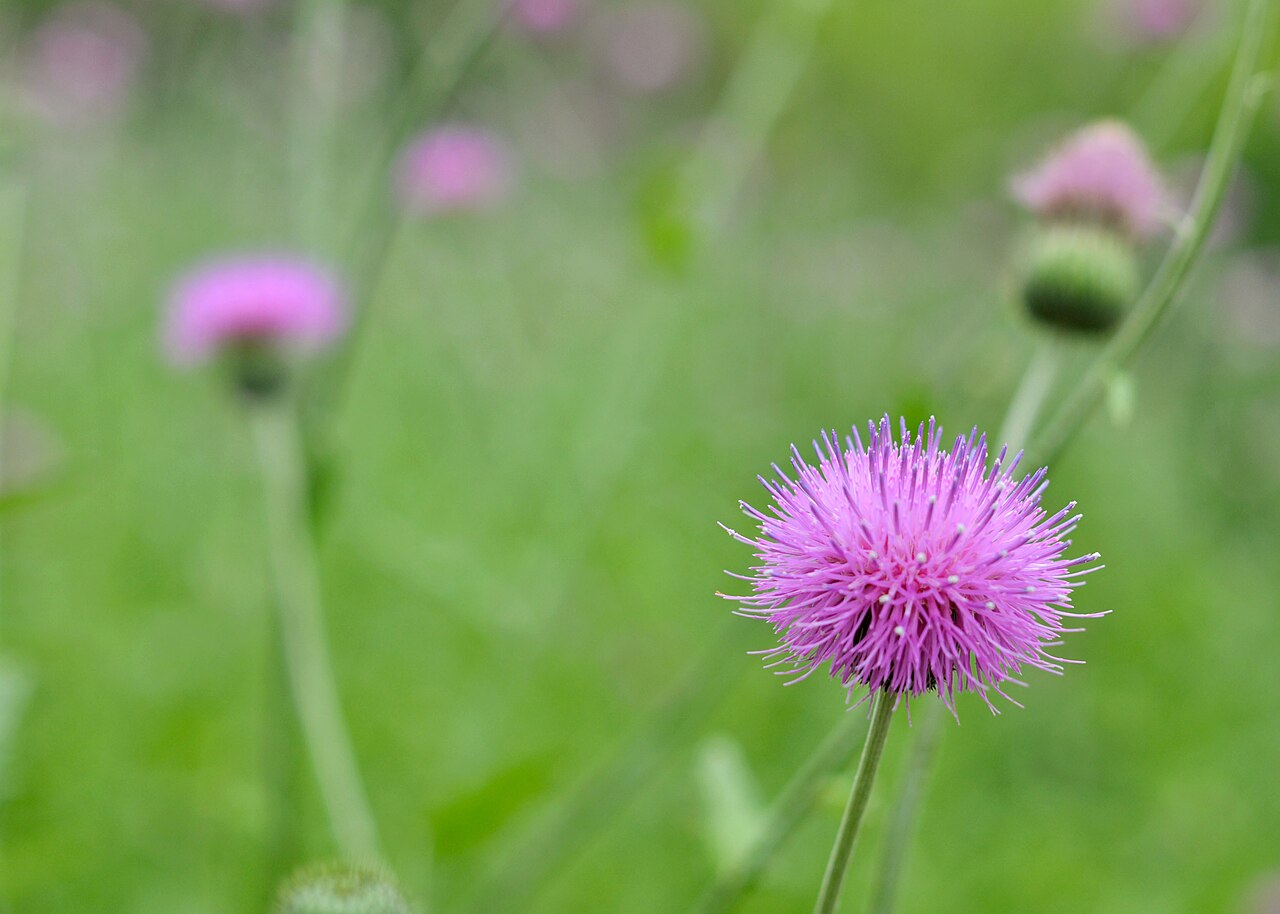


Characteristics
Cirsium species may be annual, biennial or perennial. Typical features include lobed, often spiny leaves; solitary or branched flower heads with pink, purple, red or white florets; and seeds bearing a soft pappus that aids wind dispersal. The spines and dense hairs on stems and leaves help deter herbivores. Structurally they share many traits with other thistles such as Asteraceae-type flower heads.
Distribution and origin
Most species in the genus are native to Eurasia and northern Africa, with many species established across temperate regions. Historically the center of diversity is in Eurasia; the group also includes about sixty species recorded in North America. Native ranges and naturalized populations vary by species; see regional floras for details. General distribution notes are available for Eurasia and North Africa.
Uses, ecology and cultural notes
Although several Cirsium species are treated as agricultural or garden weeds, they are ecologically valuable. Their nectar and pollen attract bees, butterflies and other pollinators; some species are deliberately grown in gardens to support wildlife and to add vertical, architectural flowers. Gardeners often choose thistles to attract butterflies and native bees.
Taxonomy, similar genera and management
Cirsium is one of several genera commonly called thistles. Other related or similar genera include Carduus, Cynara, Onopordum and Silybum. Classification can be complex and local authorities may differ on species limits. Management practices range from leaving plants for habitat value to mechanical removal or targeted herbicide use where species are invasive. The common species Cirsium vulgare is frequently cited as a weedy example in regional weed lists.
- Identification tips: note spiny leaf margins, pappus-bearing seeds and tubular florets.
- Conservation: balance weed control with pollinator benefits when deciding to remove native thistles.
- Further reading: many regional floras and horticulture guides cover cultivation and control options; consult specialist sources for local species.
For introductory references on the genus and related topics see the linked entries above for genus-level descriptions and broader family information.
Additional resources: genus overview, plant type, family notes, Asteraceae detail, Eurasian distribution, North African distribution, North American species list, weed information, gardening uses, pollinator attraction.
Related articles
Author
AlegsaOnline.com Cirsium (thistles): description, ecology, and human interactions Leandro Alegsa
URL: https://en.alegsaonline.com/art/20479
Sources
- commons.wikimedia.org : Cirsium
- species.wikimedia.org : Cirsium
- efloras.org : "Cirsium"
- plants.usda.gov : "PLANTS Profile for Cirsium vulgare (bull thistle) USDA PLANTS"